



Save 5% on 2 Bags | 10% on 4 Bags
Mix and match your dog’s favourites and enjoy automatic savings at checkout.
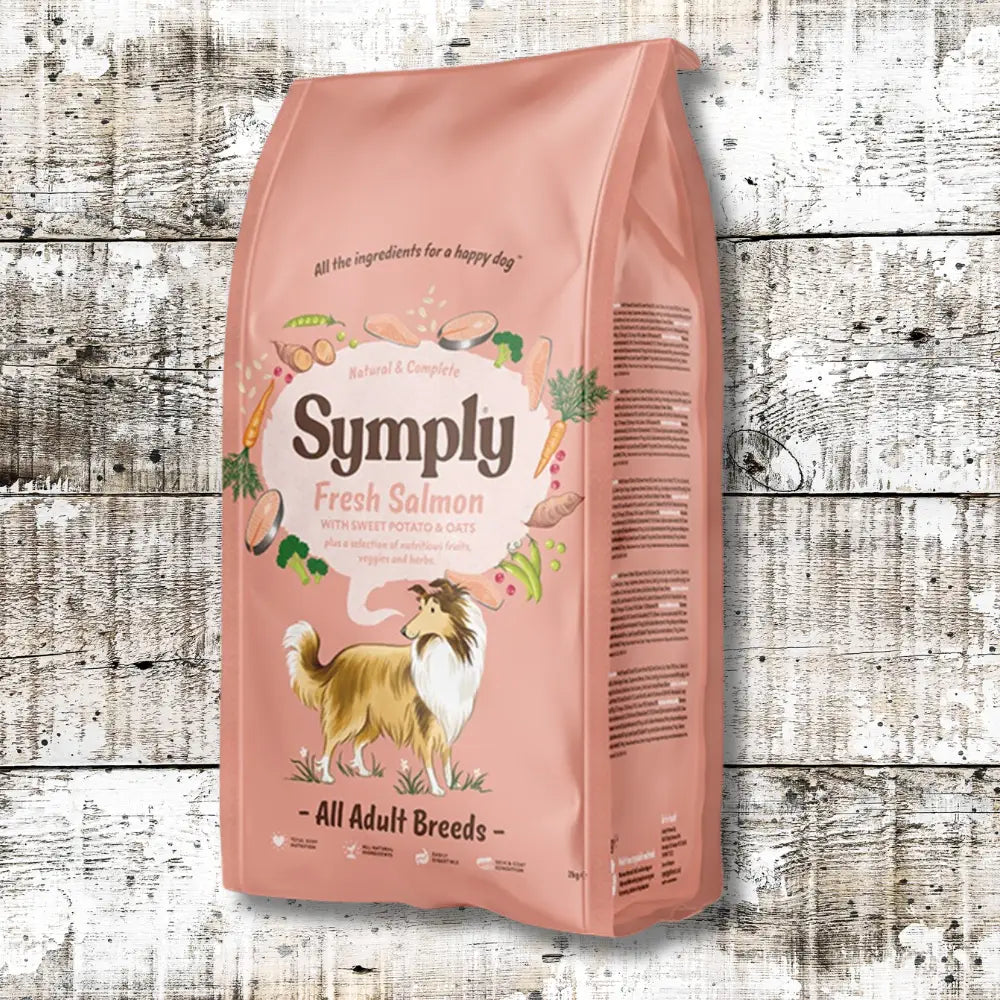
Symply Fresh Salmon for All Dog Breeds
Choose your option
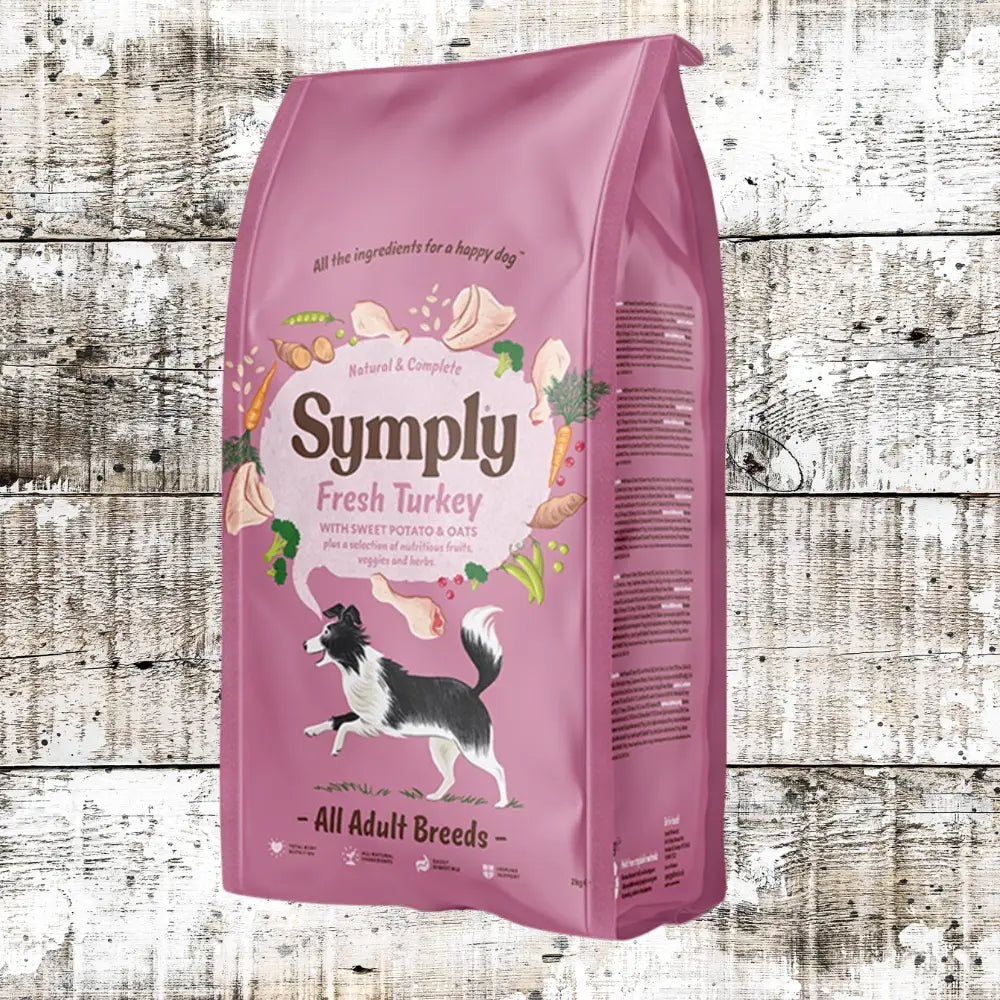
Symply Fresh Turkey for All Dog Breeds
Choose your option
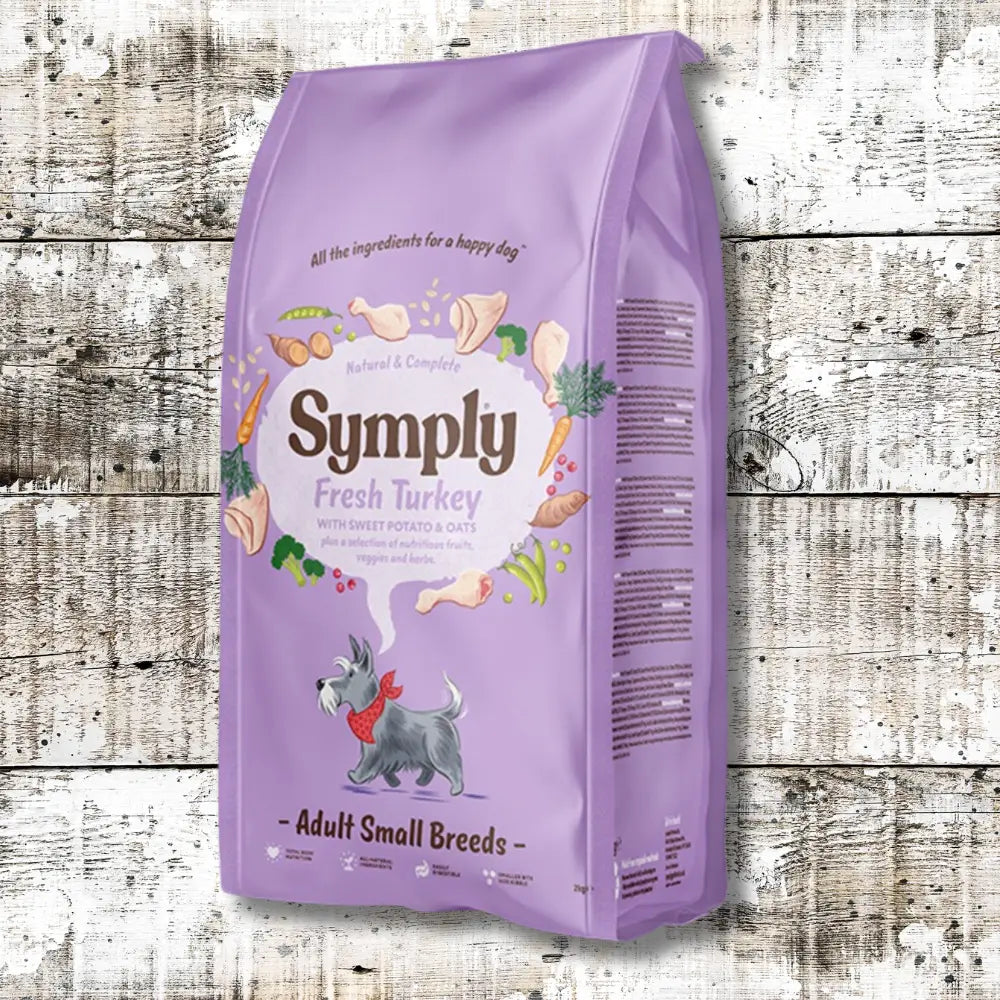
Symply Fresh Turkey for Small Breed Dogs
Choose your option
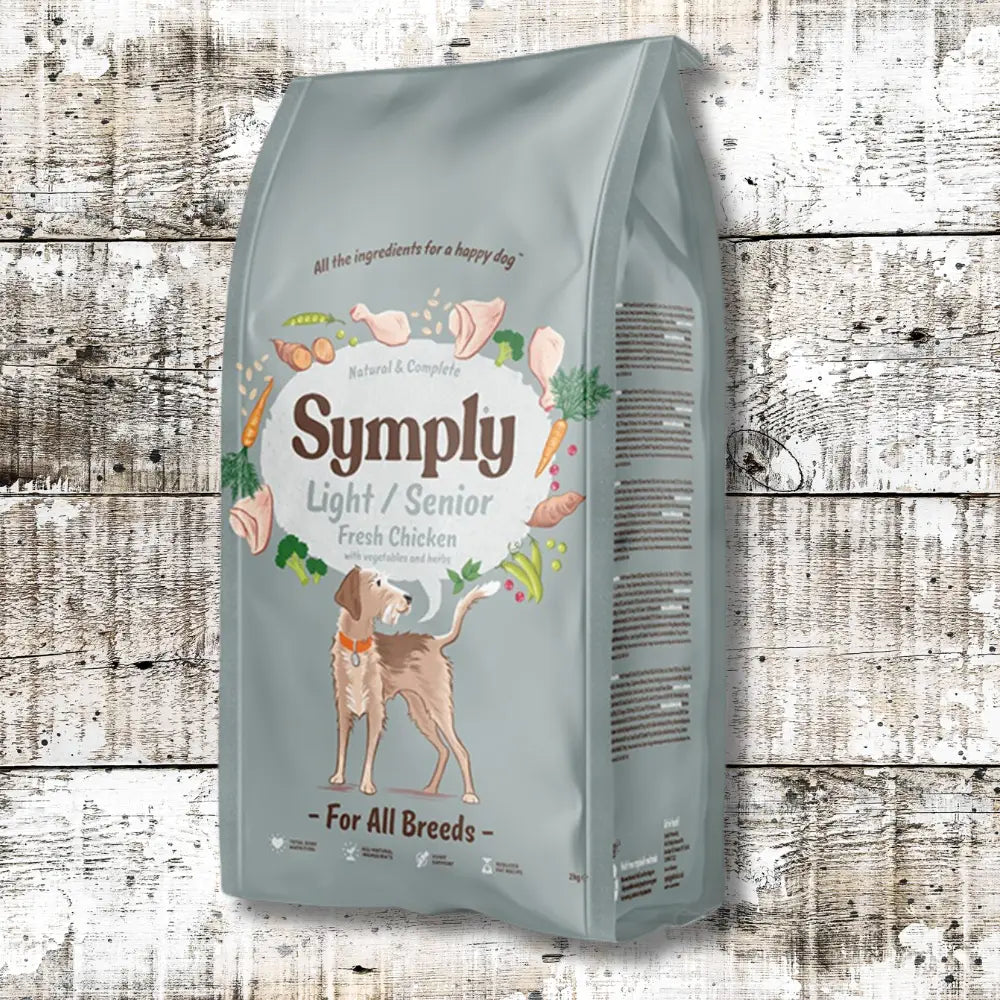
Symply Light/Senior for All Dog Breeds
Choose your option
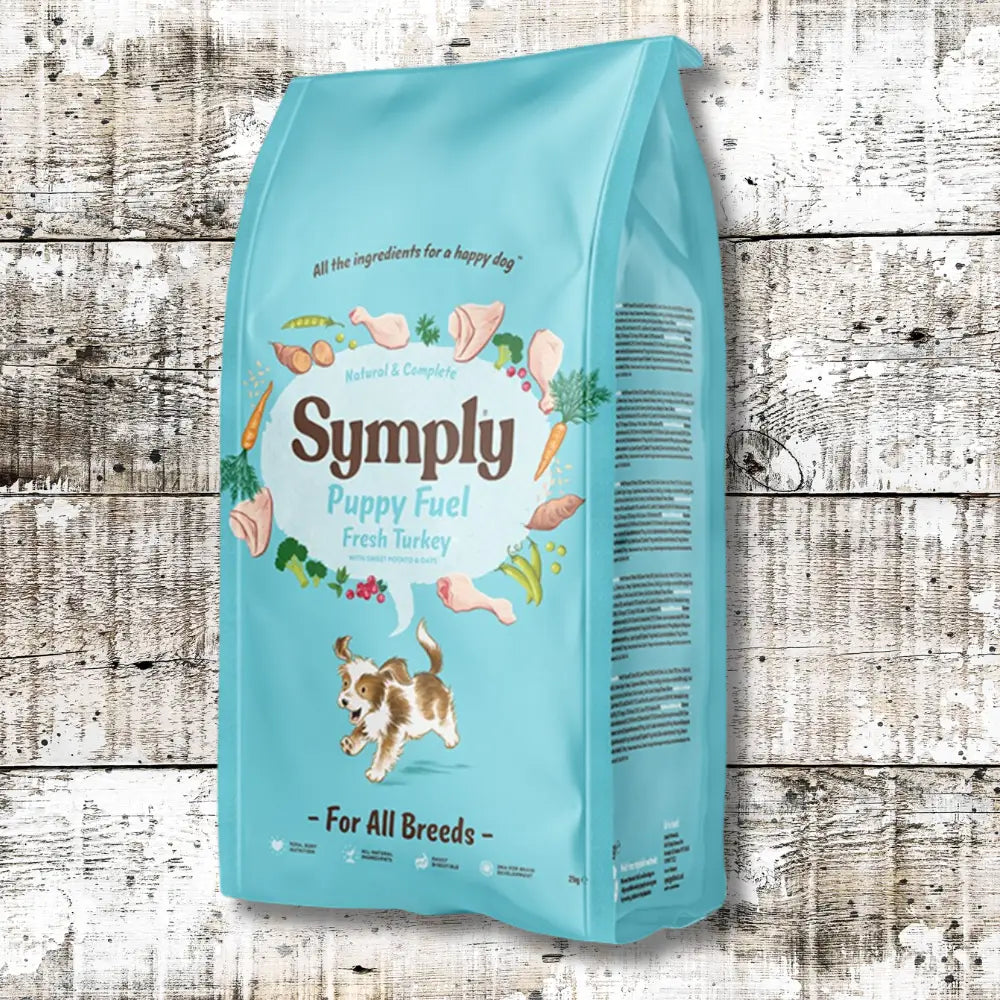
Symply Puppy Fuel for All Dog Breeds
Choose your option
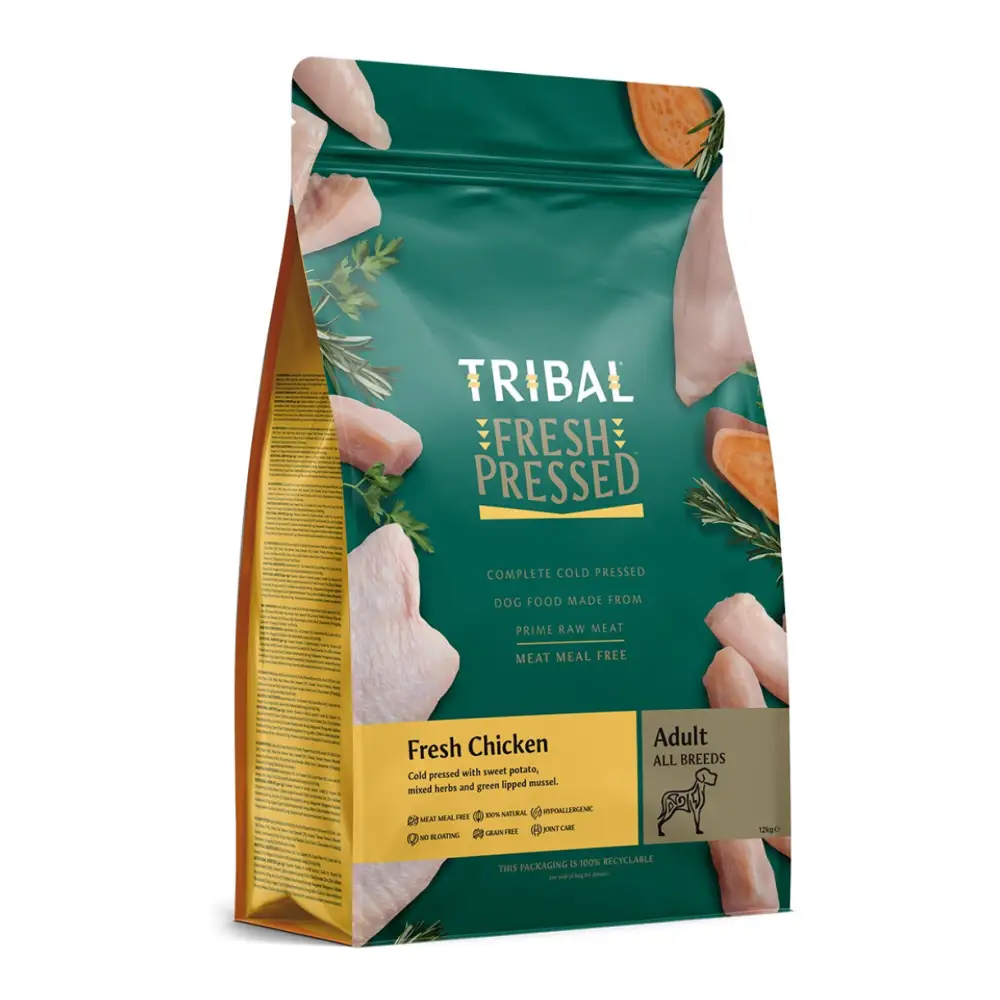
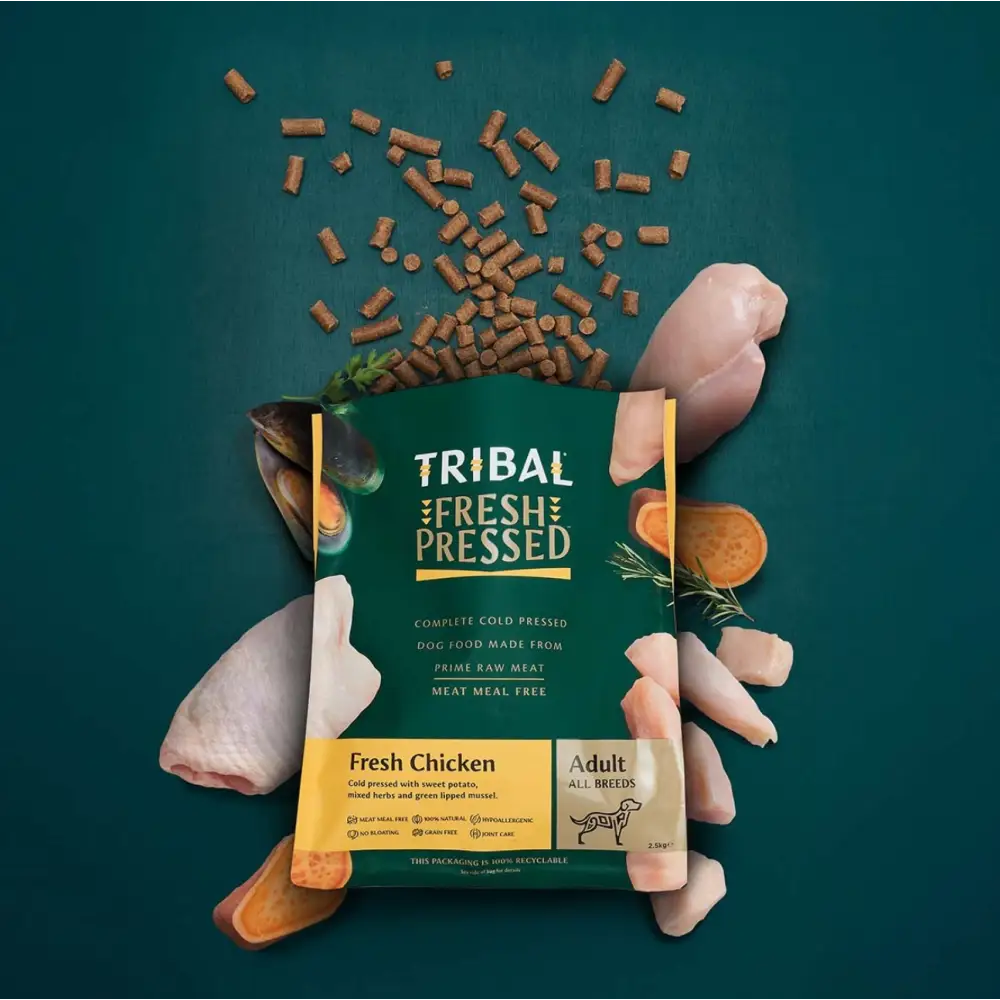
Tribal Fresh Pressed Adult Chicken
Choose your option
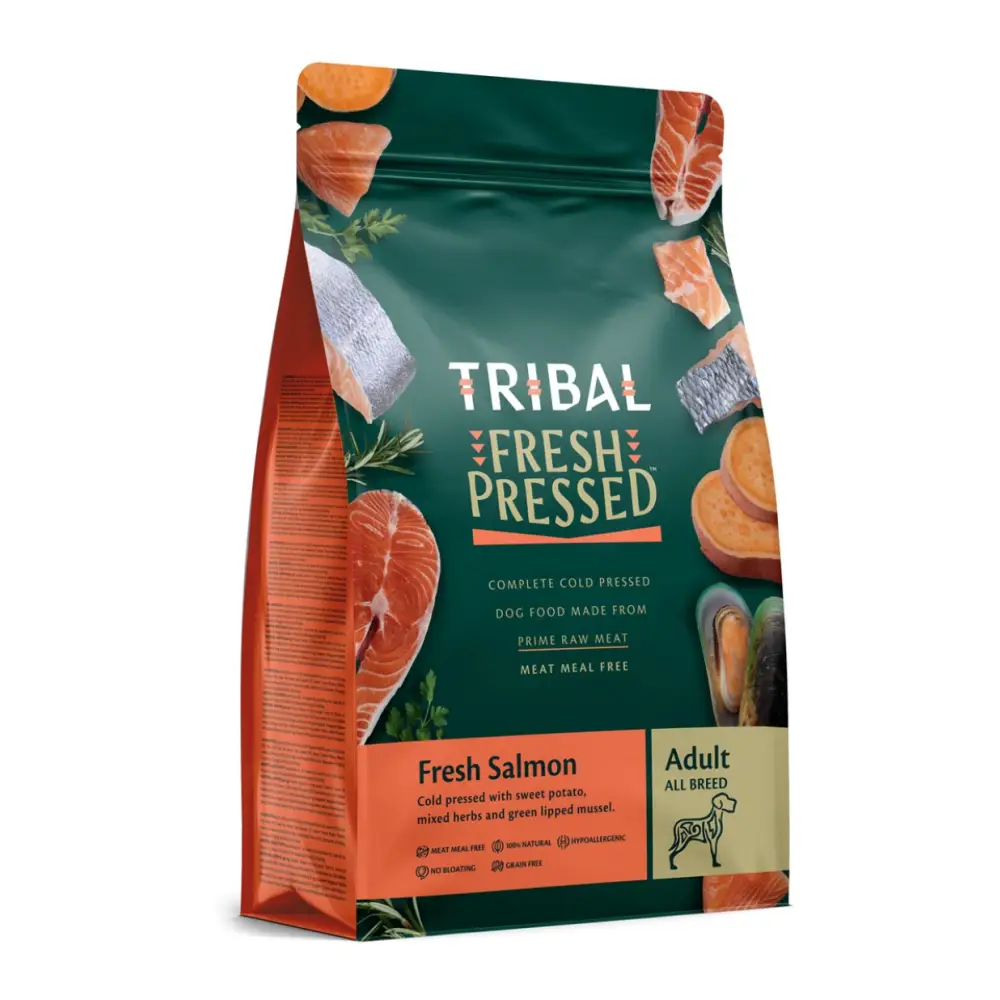
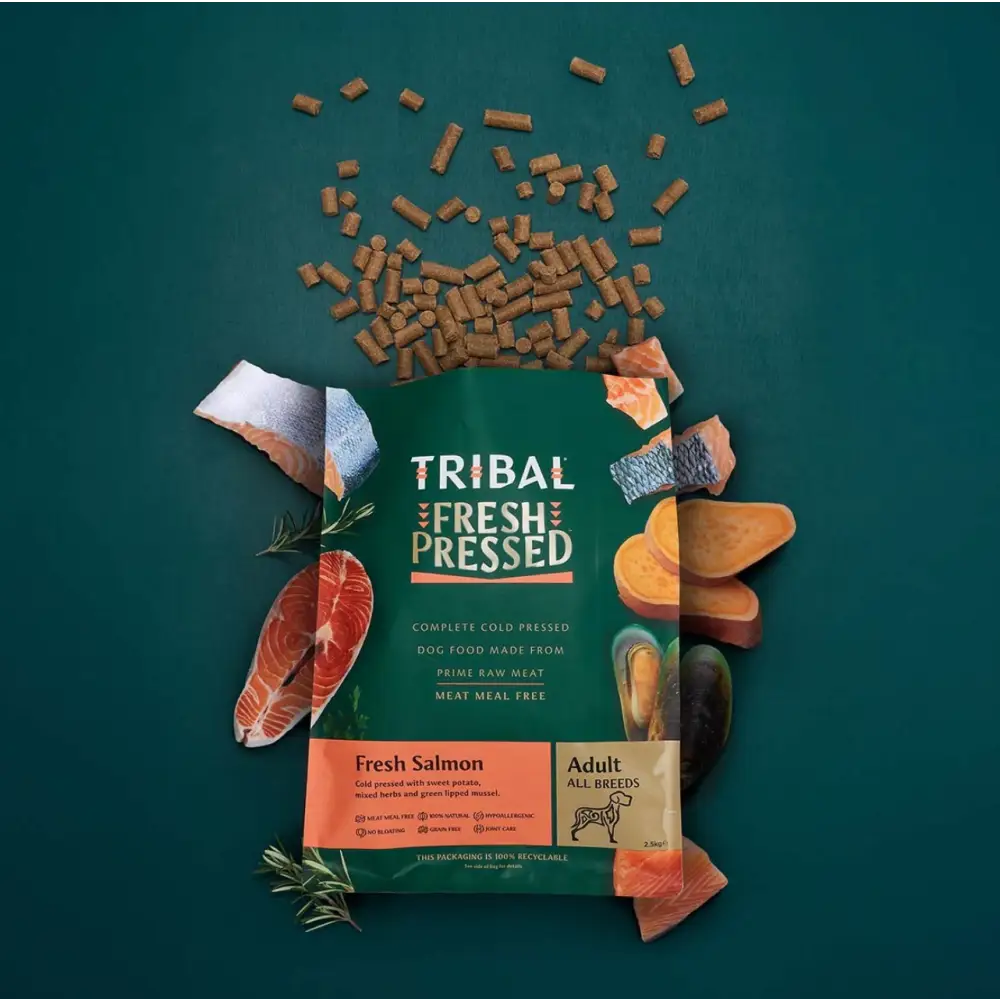
Tribal Fresh Pressed Adult Salmon
Choose your option

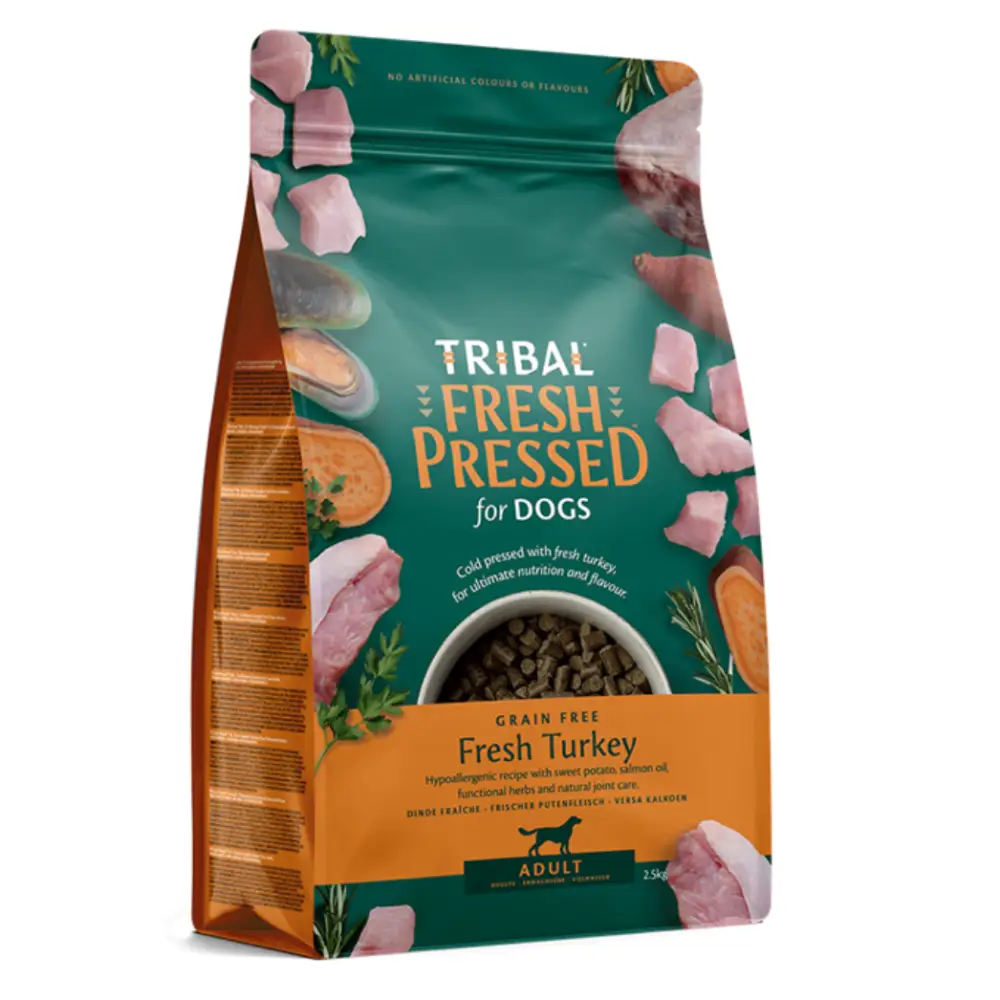
Tribal Fresh Pressed Adult Turkey
Choose your option
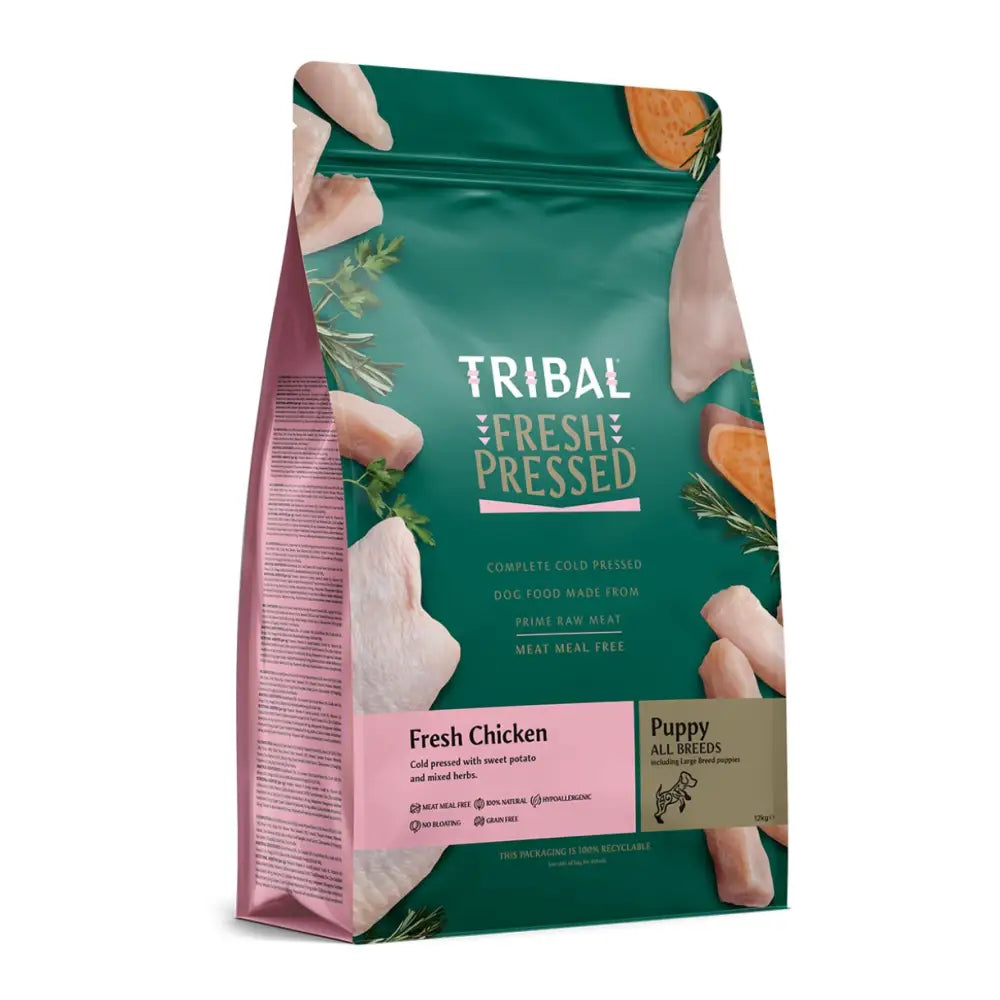
Tribal Fresh Pressed Puppy Chicken
Choose your option
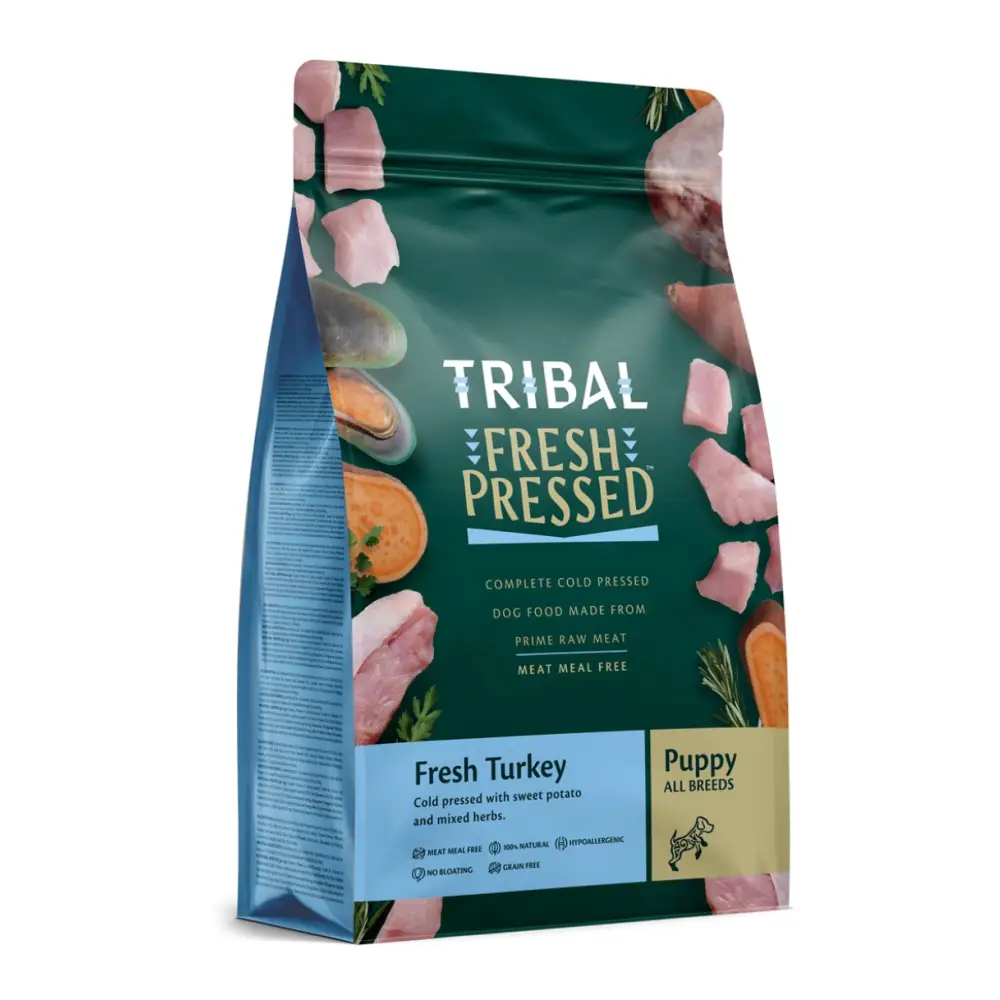
Tribal Fresh Pressed Puppy Turkey
Choose your option
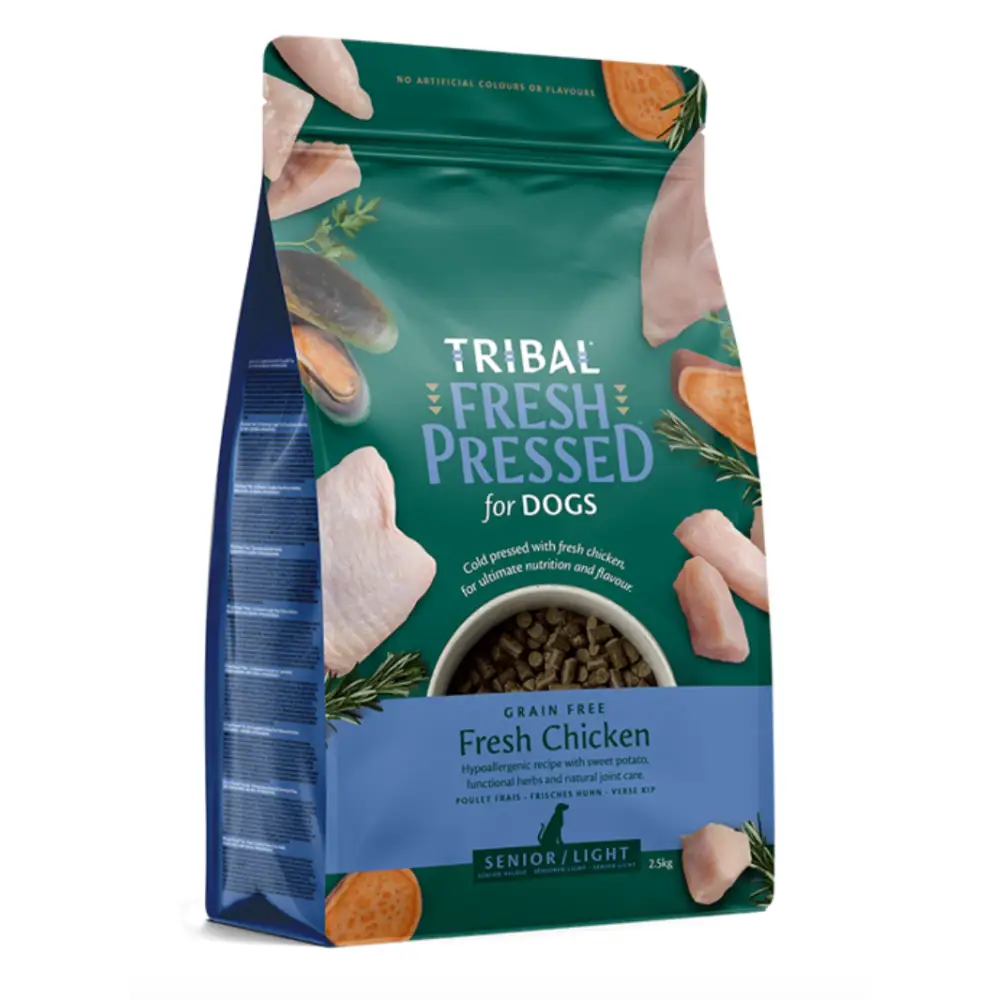
Tribal Fresh Pressed Senior/Light chicken *DAMAGED BAG
Choose your option
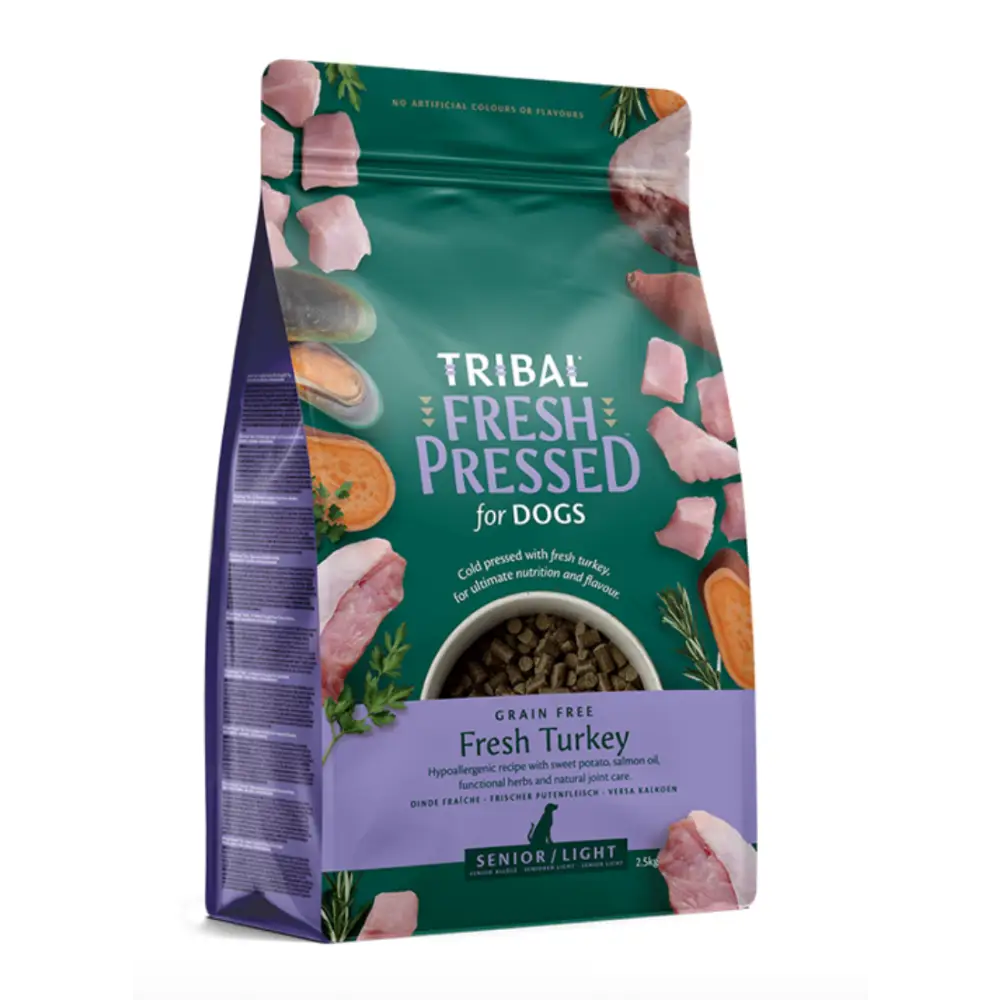
Tribal Fresh Pressed Senior/Light Turkey
Choose your option
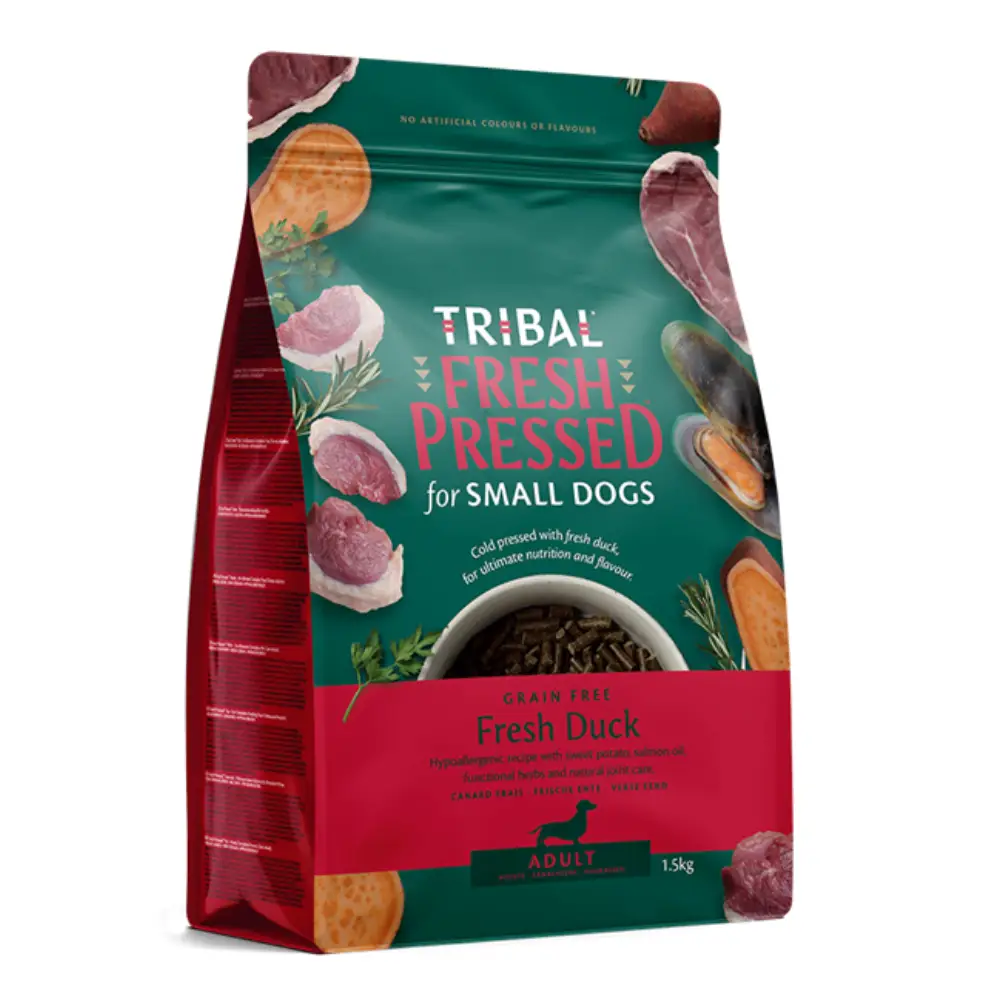
Tribal Fresh Pressed Small Breed Duck
Choose your option


YORA Dog Active Bar 35g
Choose your option
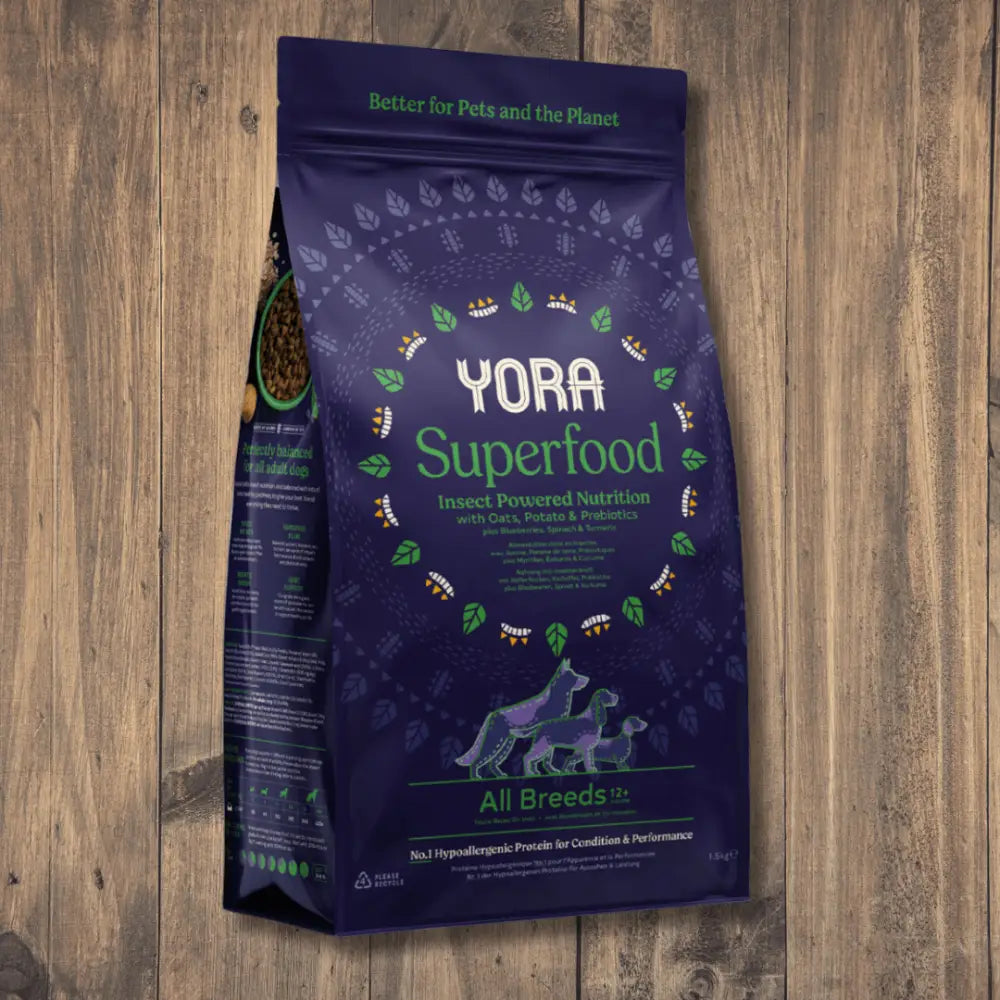

YORA Dog Adult All Breeds
Choose your option
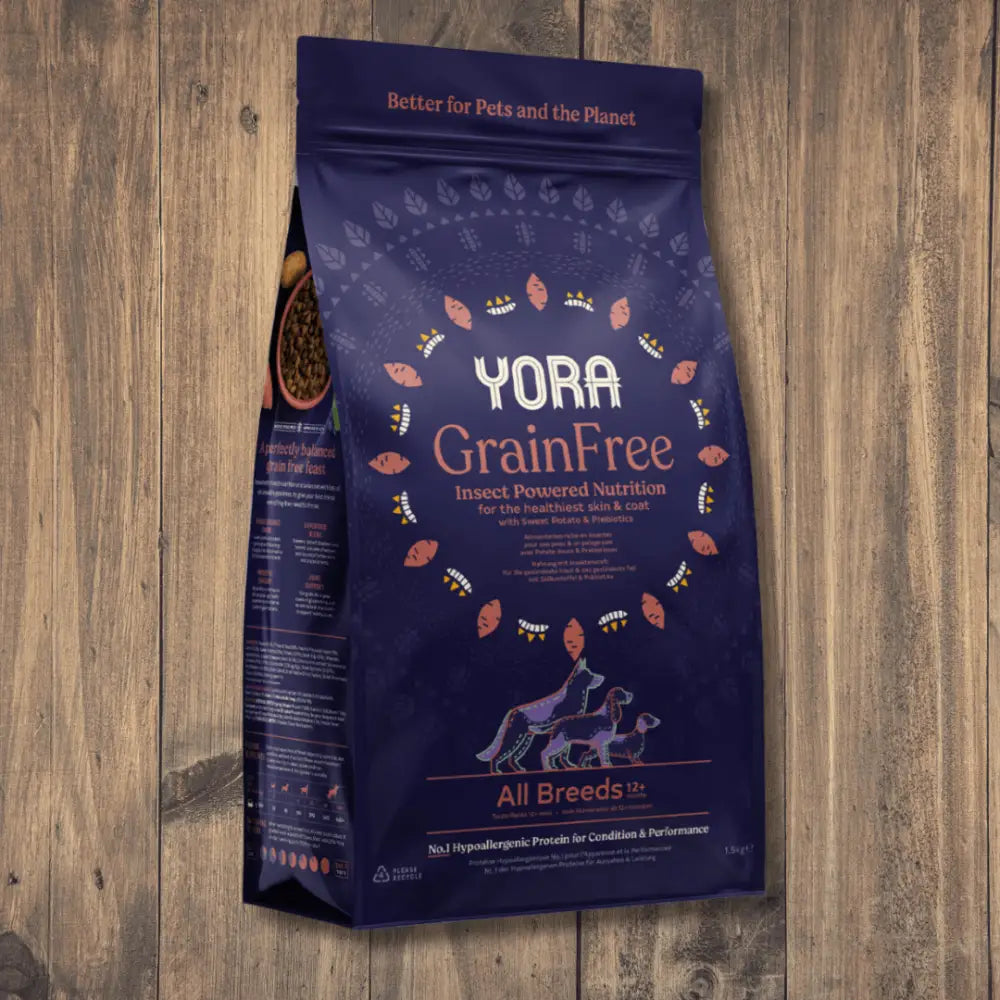

YORA Dog Adult Grain Free
Choose your option
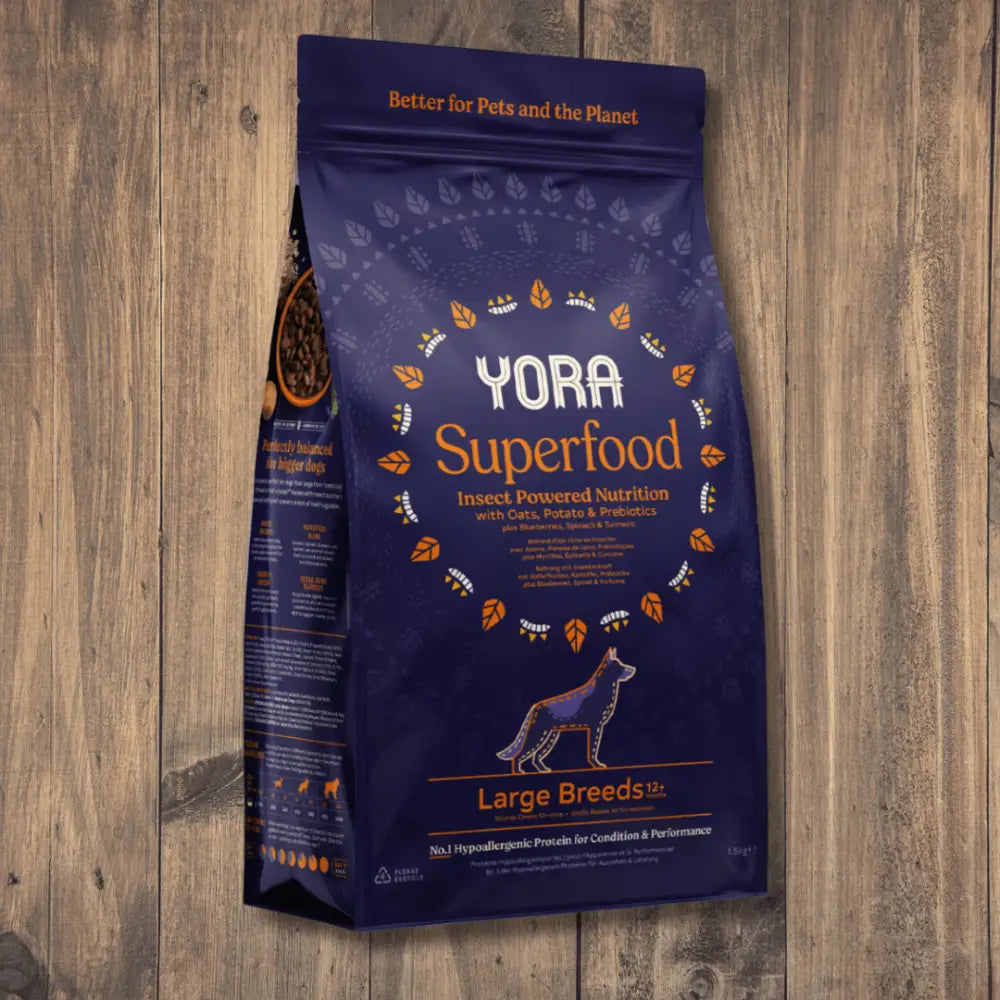

YORA Dog Adult Large Breed
Choose your option
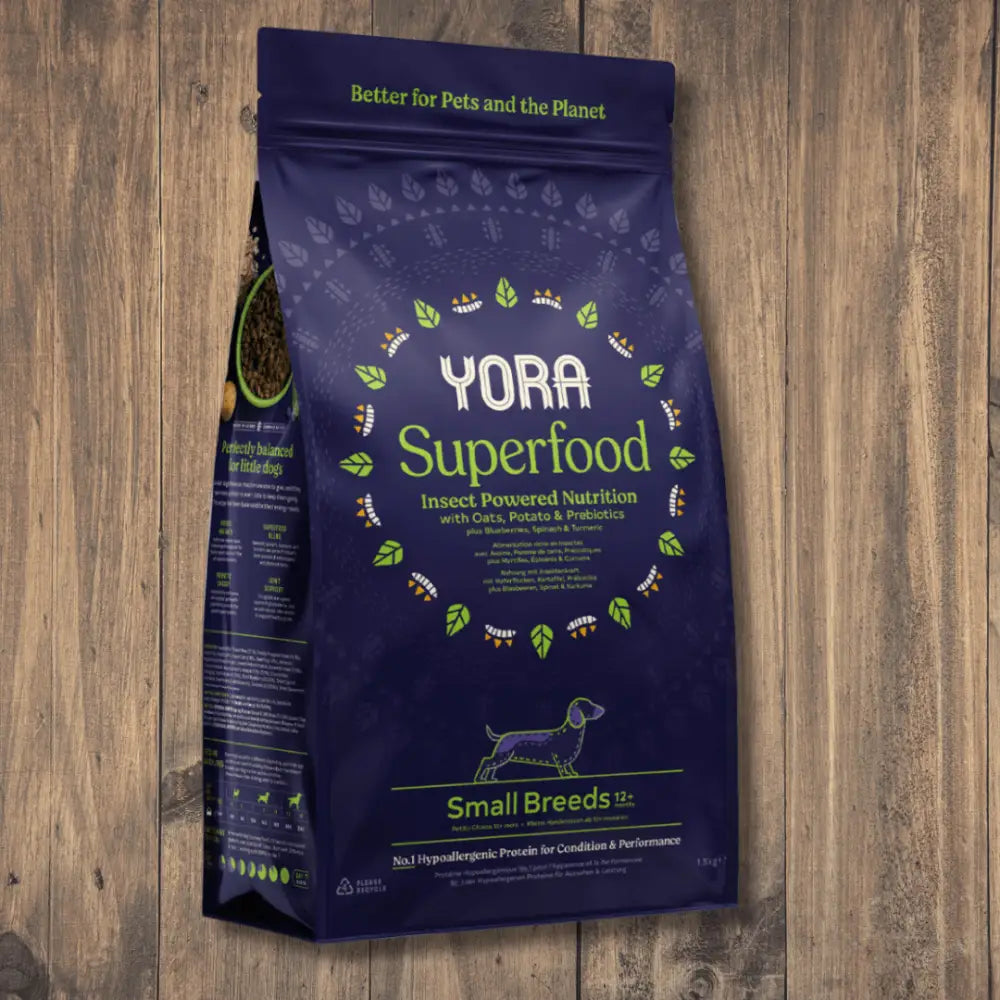

YORA Dog Adult Small Breed
Choose your option
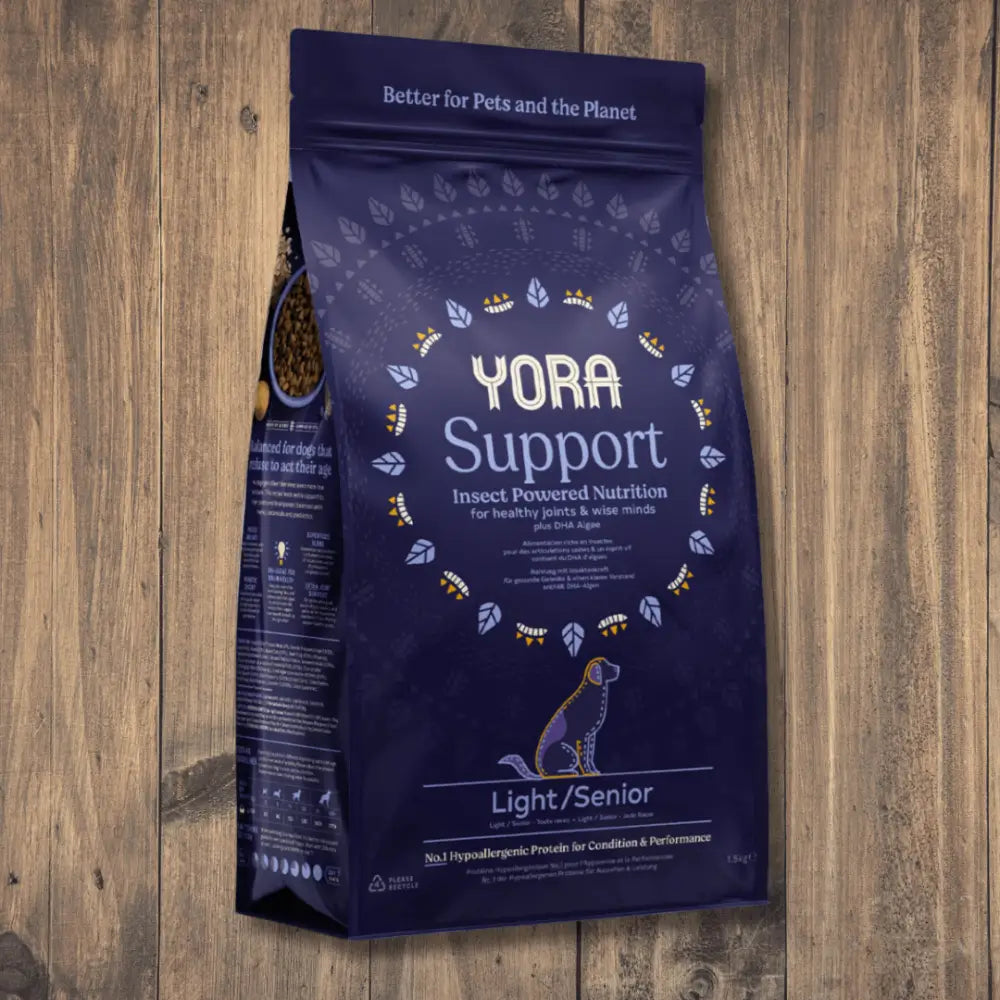

YORA Dog Light/Senior
Choose your option
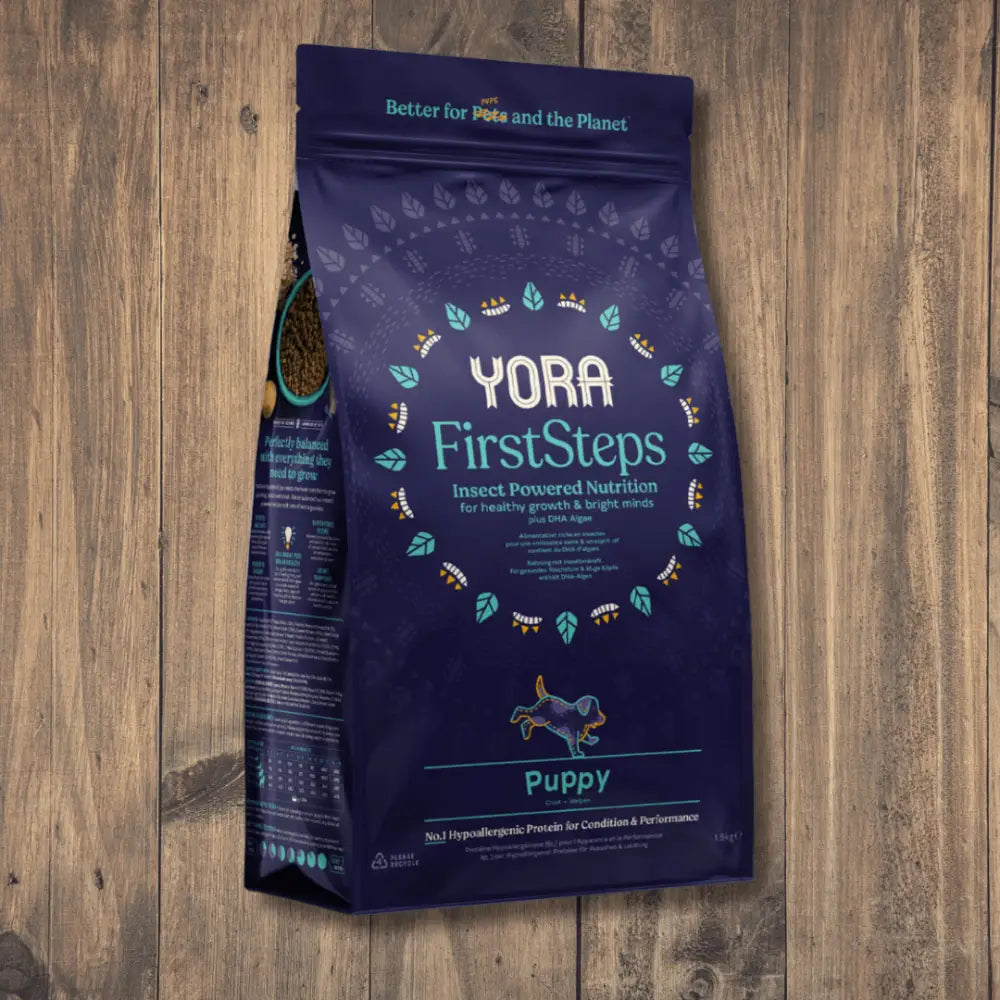
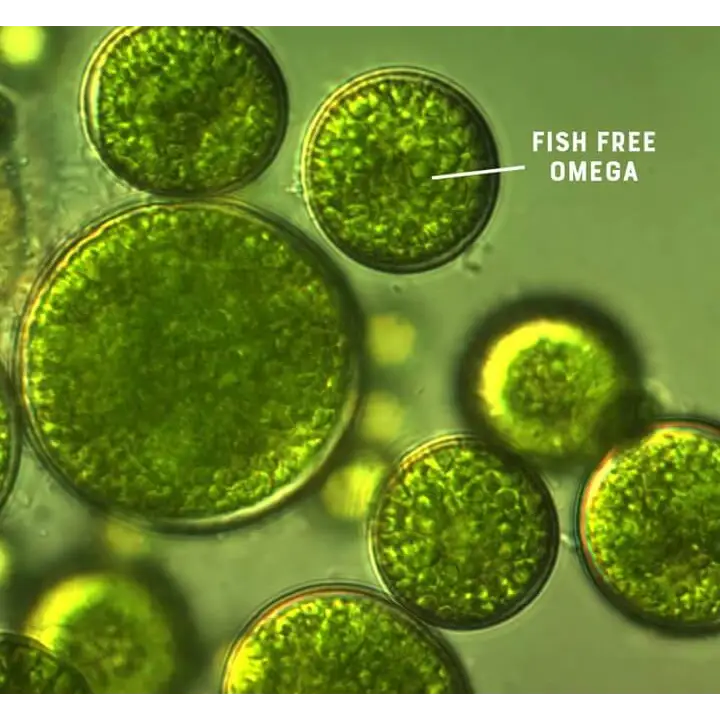
YORA Puppy
Choose your option


McAdams Medium/Large Breed Free Range Turkey
Choose your option


McAdams Small Breed Free Range Chicken
Choose your option


McAdams Medium/ Large Breed Free Range Chicken
Choose your option


McAdams Small Breed Free Range Turkey
Choose your option

Tribal Fresh Pressed Small Breed Fresh Salmon
Choose your option
Tribal Fresh Pressed Small Breed Duck *SPLIT BAG
Choose your option
Tribal Fresh Pressed Senior/Light Turkey *DAMAGED BAG
Choose your option
The four types of natural dog food, and when to use each
Cold-pressed dry food
Cooked at low temperatures to preserve nutrients, doesn't swell in the stomach, and is gentler on sensitive digestive systems than traditional kibble. Better for dogs prone to bloat, sensitive stomachs, or fussy eaters. Tribal is the established UK option.
Traditional grain-free kibble
Extruded at high heat but built around high-quality named meat sources with vegetables and botanicals replacing grains. The most convenient option for everyday feeding. Canagan, Eden, and our own Aflora range sit in this category.
Freeze-dried raw
The closest you can get to feeding raw without the freezer logistics. Raw meat with the moisture removed, single-protein options, shelf-stable. Best for owners curious about raw feeding but wanting practicality. Natures Menu's freeze-dried range is well-established here.
Wet food
Higher moisture content, often used to add variety to a dry diet or for dogs who don't drink enough water. Most natural brands offer wet recipes alongside their dry ranges.
How much to feed
Feeding amounts depend on weight, age, activity level, and the calorie density of the specific food. As a rough starting guide for adult dogs:
- Toy breeds (under 5kg): 50–100g per day
- Small breeds (5–10kg): 100–180g per day
- Medium breeds (10–25kg): 180–350g per day
- Large breeds (25–40kg): 350–500g per day
- Giant breeds (over 40kg): 500–700g per day
These are starting points. Each food has its own feeding guide on the bag based on its calorie content. Adjust based on your dog's body condition — you should be able to feel ribs without pressing hard, and there should be a visible waist when viewed from above.
Switching foods safely
Sudden food changes are the single most common cause of digestive upset in dogs. Always transition gradually over 7–10 days:
- Days 1–2: 25% new food, 75% old food
- Days 3–4: 50% new food, 50% old food
- Days 5–6: 75% new food, 25% old food
- Days 7+: 100% new food
If your dog has a particularly sensitive stomach, extend each stage to 3–4 days rather than 2.