





Collection:
Natural Dog Chews for Dental Health and Satisfying Chewing Instincts
Most dog chews on the UK market are rawhide. They look natural — beige, rustic, vaguely meaty — but they're not. Rawhide is a by-product of the leather industry, chemically treated with bleaches and preservatives, often imported from countries with limited welfare oversight. Dogs love them because they last a long time, but they're a choking risk, they swell in the stomach, and what they're actually made of is not what most owners think they're buying.
A natural chew is one ingredient. Bull pizzle, ostrich bone, cow ear, fish skin, antler, dehydrated trachea, vegetable root. Air-dried or naturally dried, with nothing added. The dog gets the satisfaction of working a chew for an hour, the dental benefits of mechanical friction against their teeth, and a single source of protein their digestive system actually recognises. No bleaches, no glues, no mystery.
Natural Dog Chews


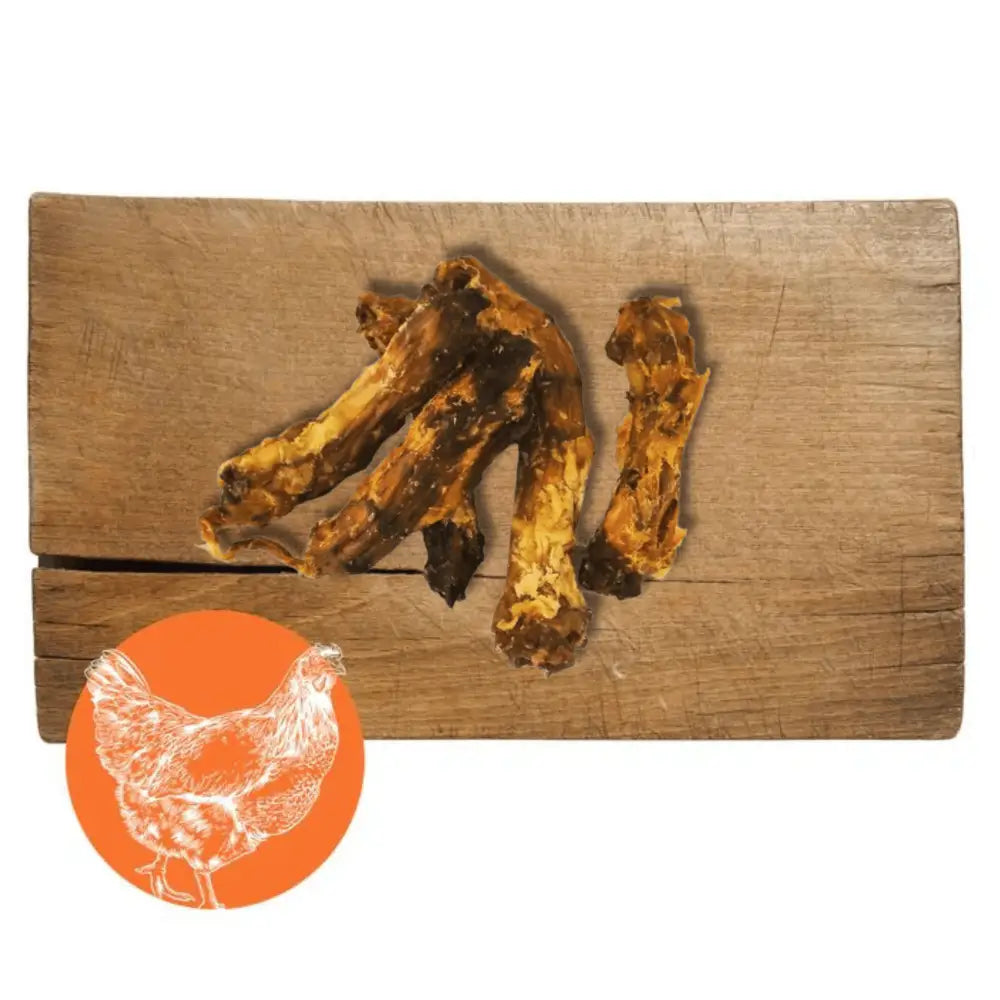
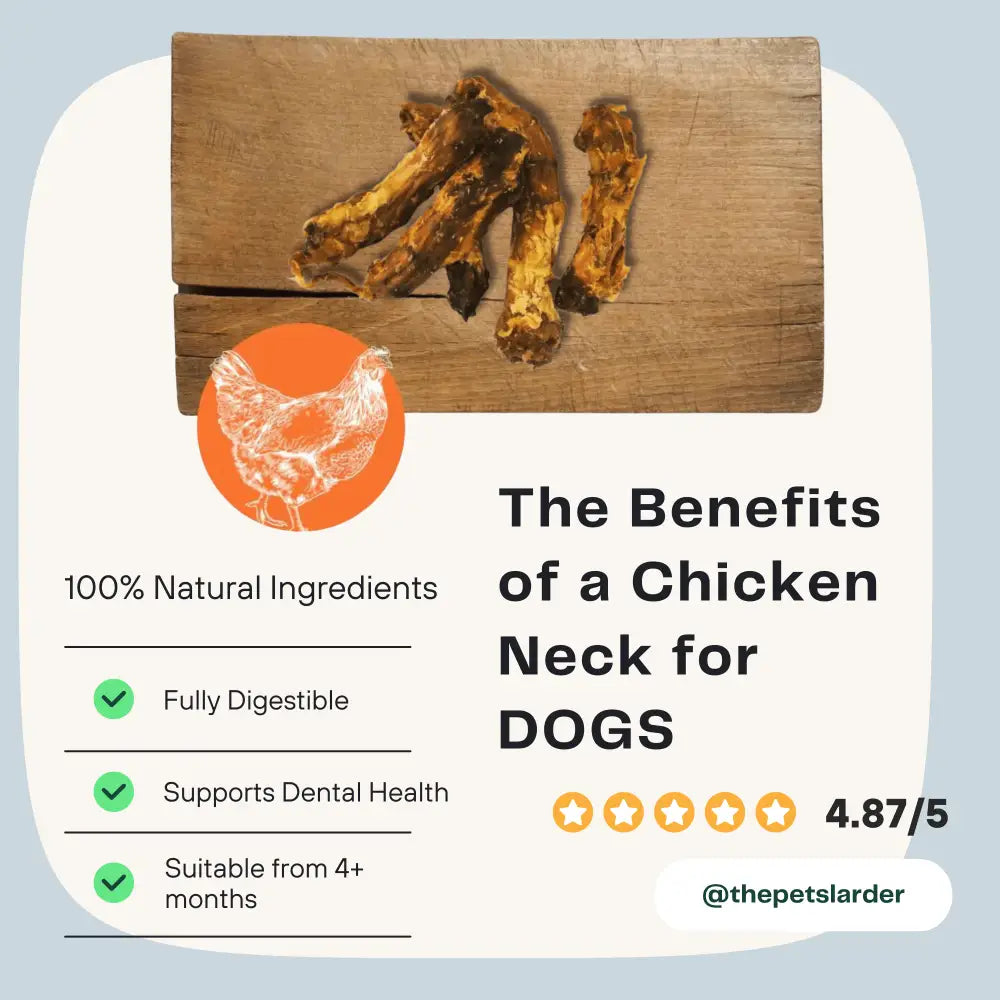
Chicken Neck Natural Meat Chew For Dogs
Choose your option
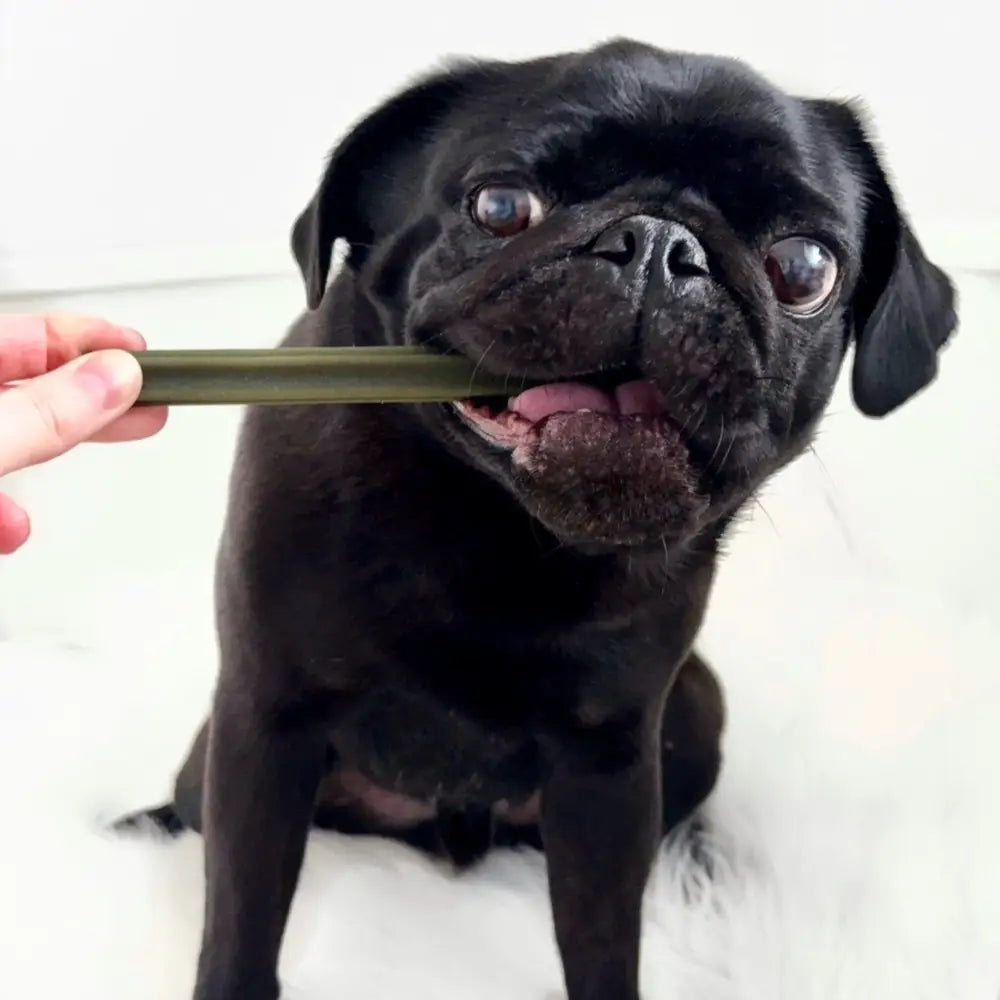
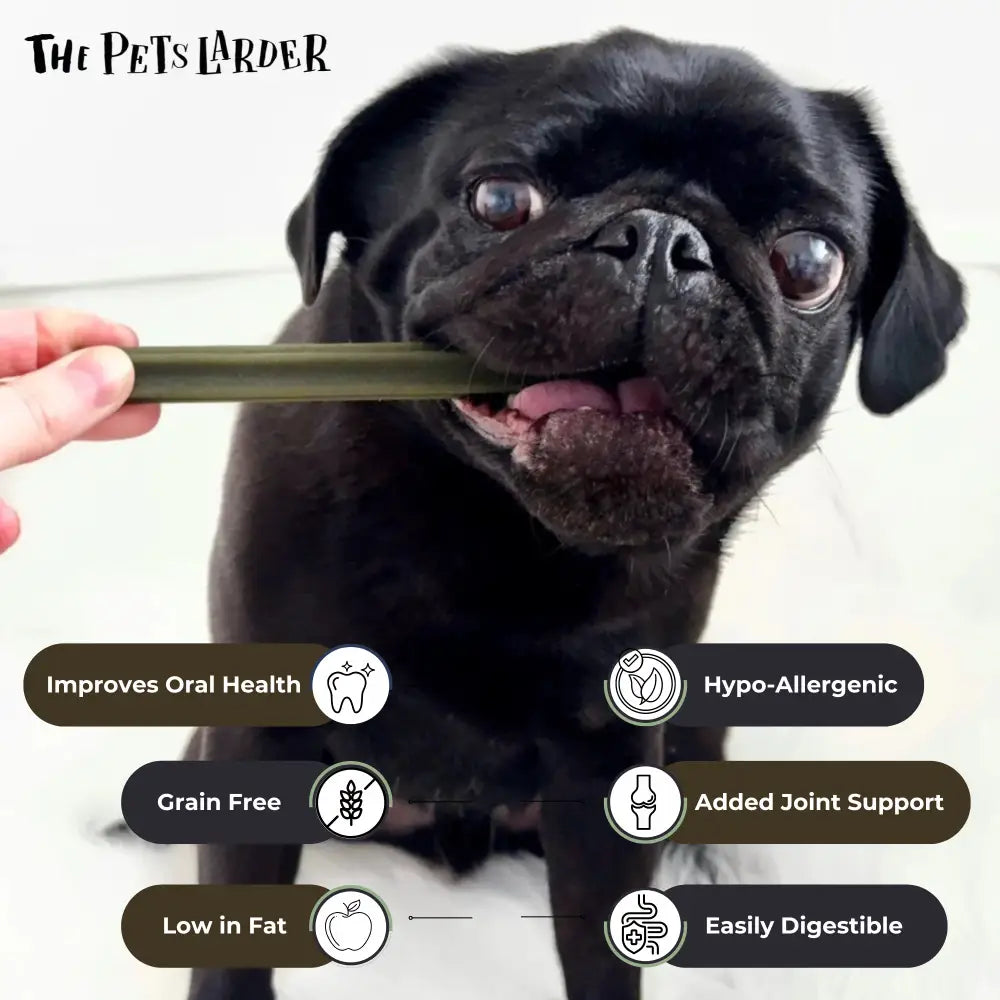
Spinach & Cranberry Chew Stick Vegetable Chew For Dogs
Choose your option
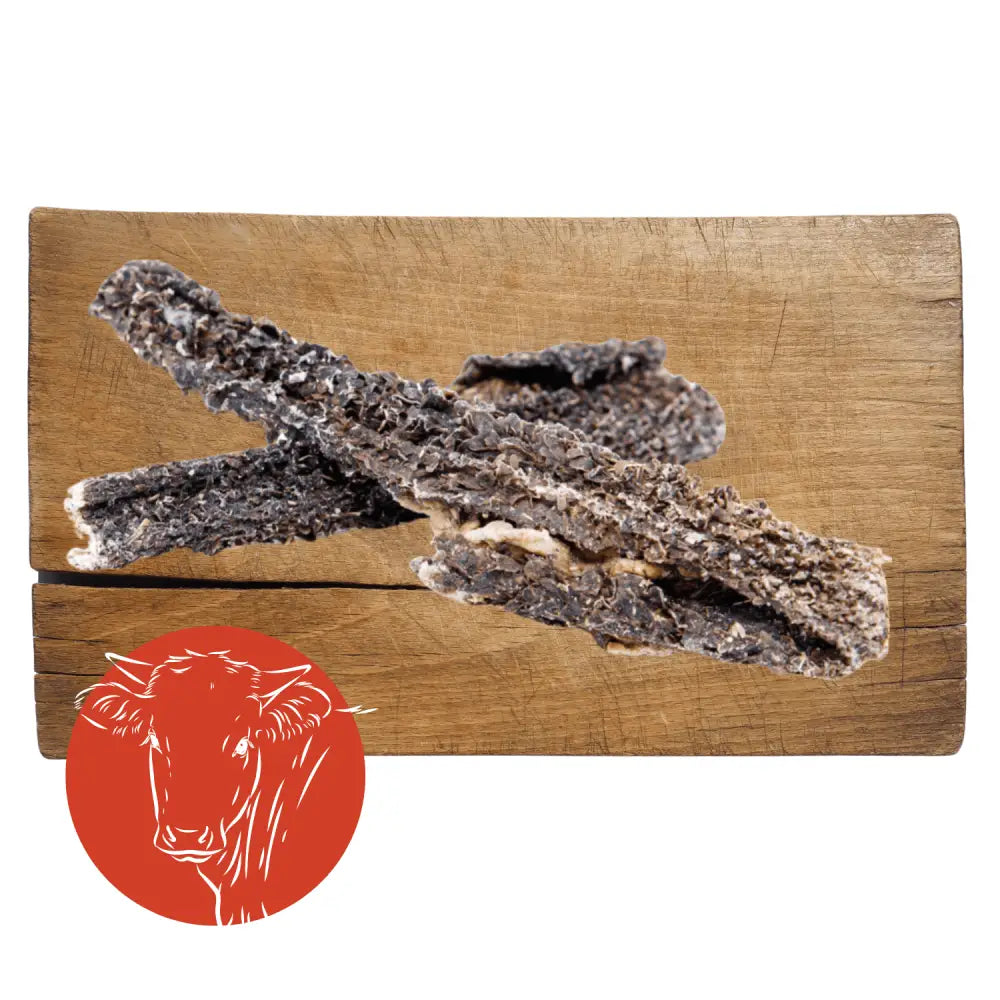
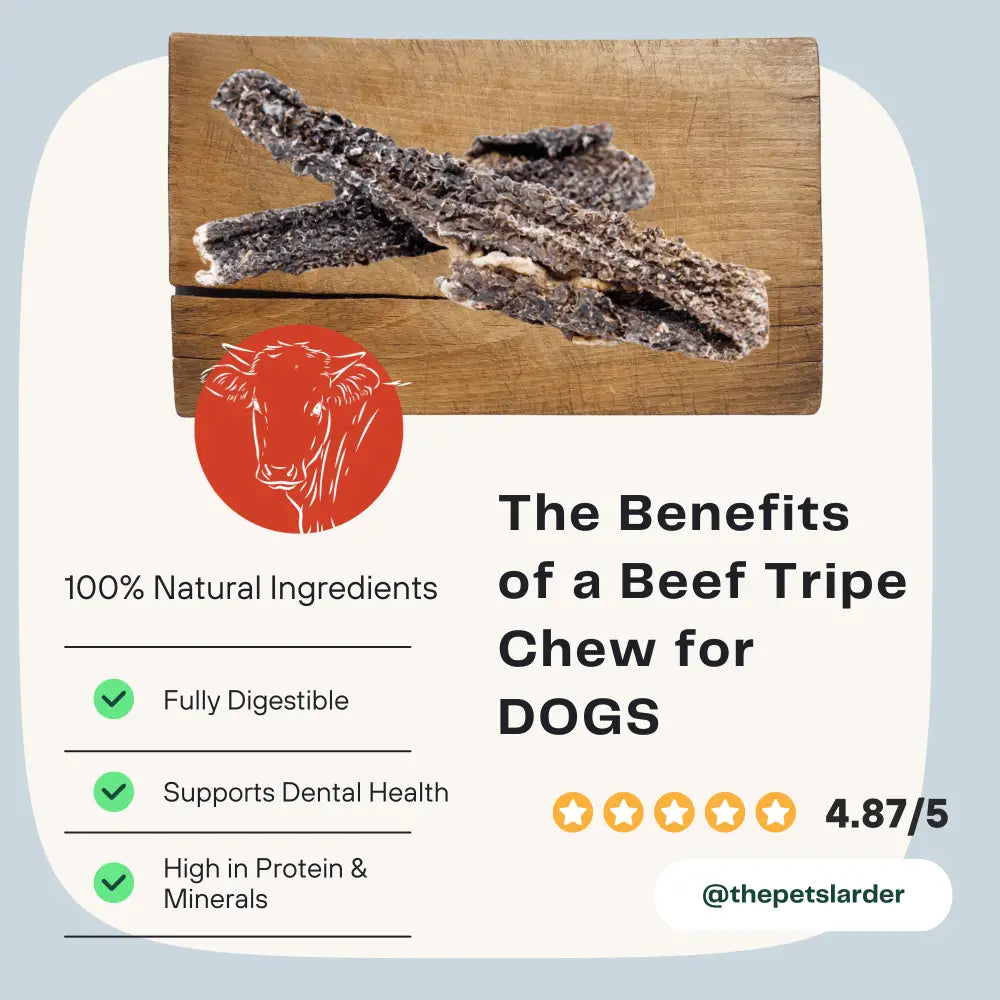
Beef Tripe Chew Natural Meat Chew For Dogs
Choose your option
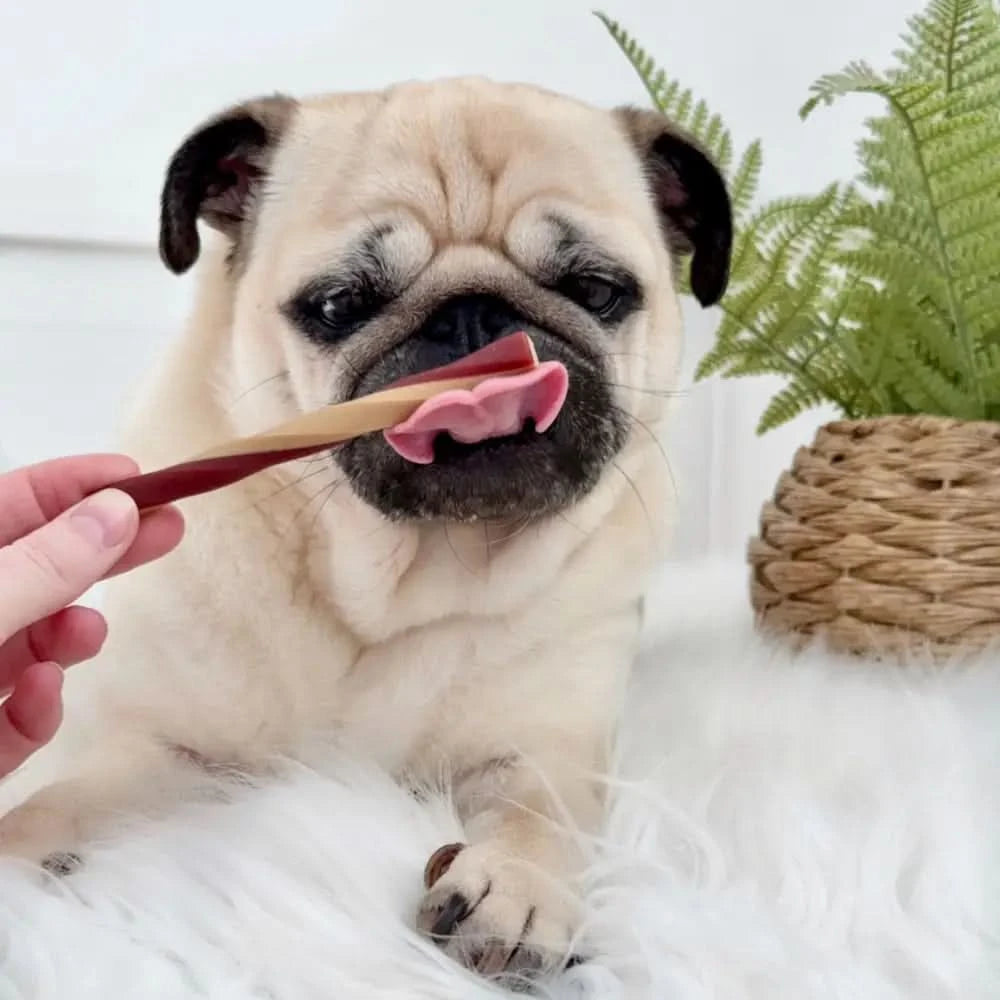
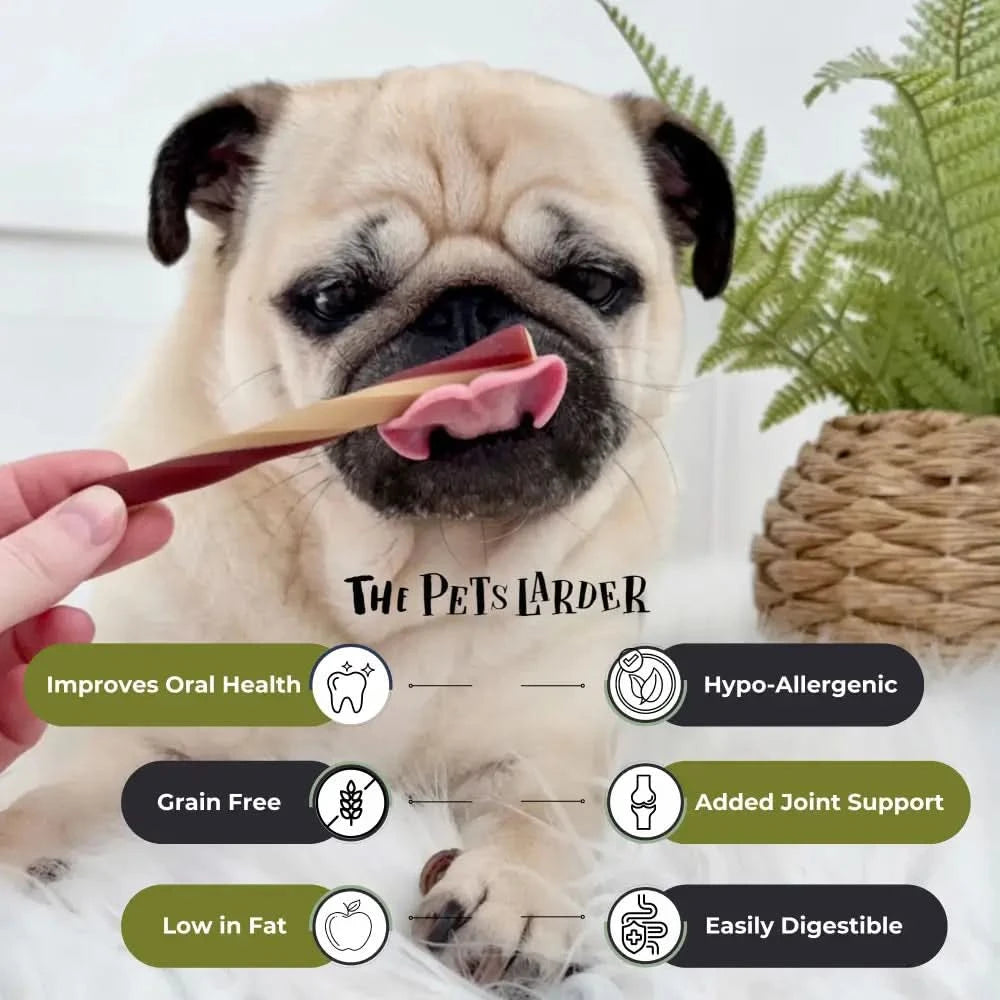
Apple Dental Stick
Choose your option
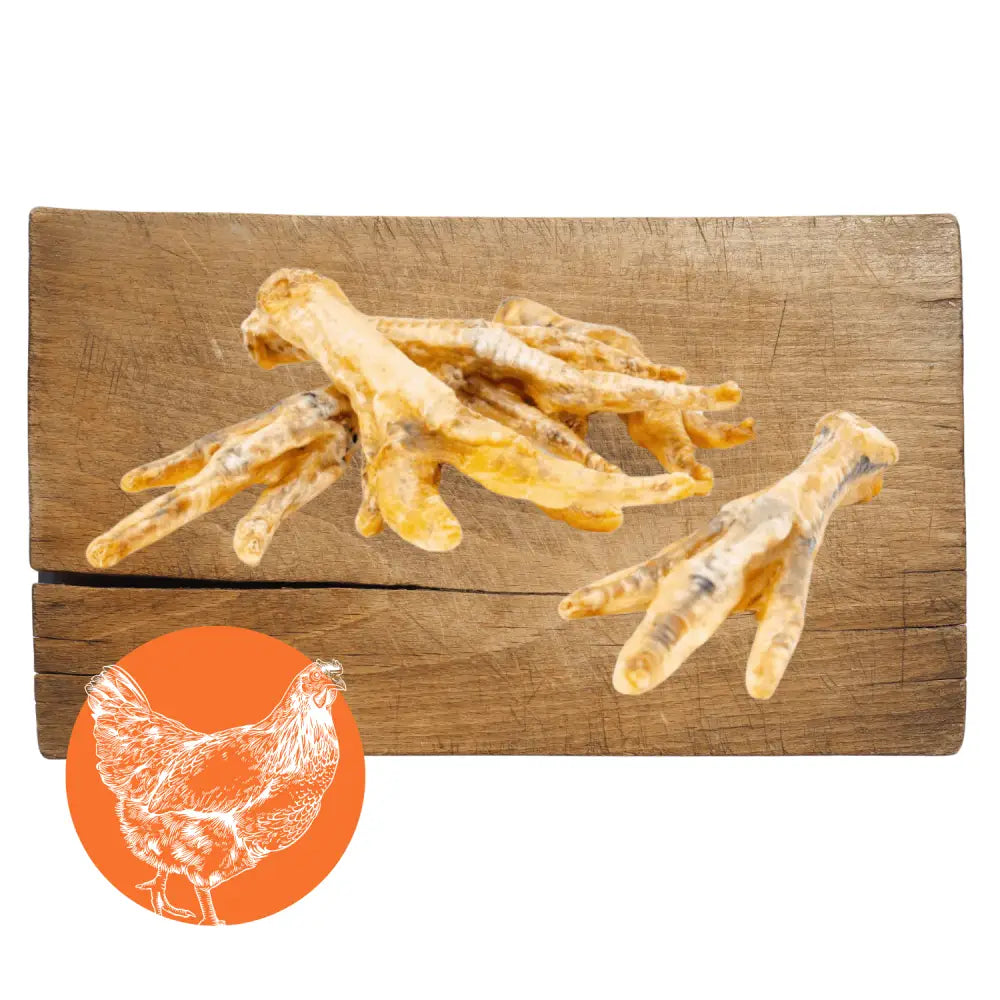
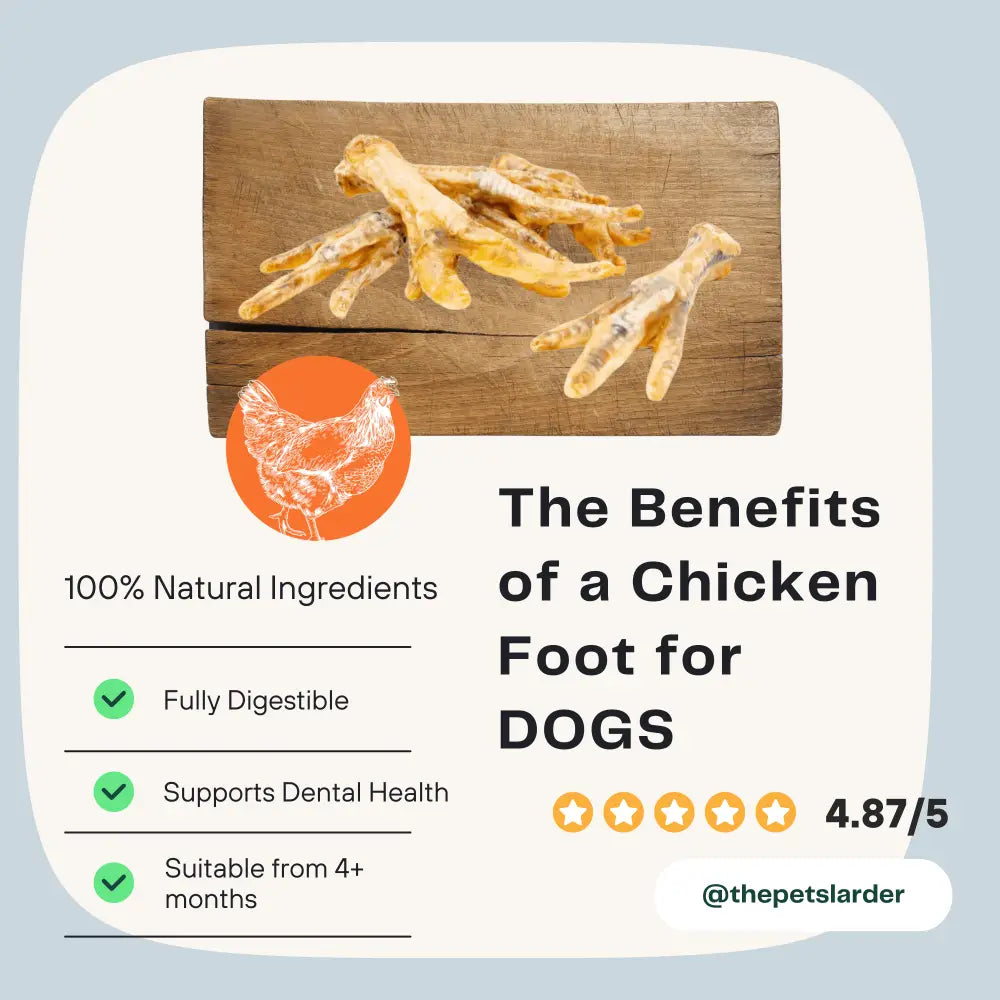
Chicken Foot Natural Meat Chew For Dogs
Choose your option
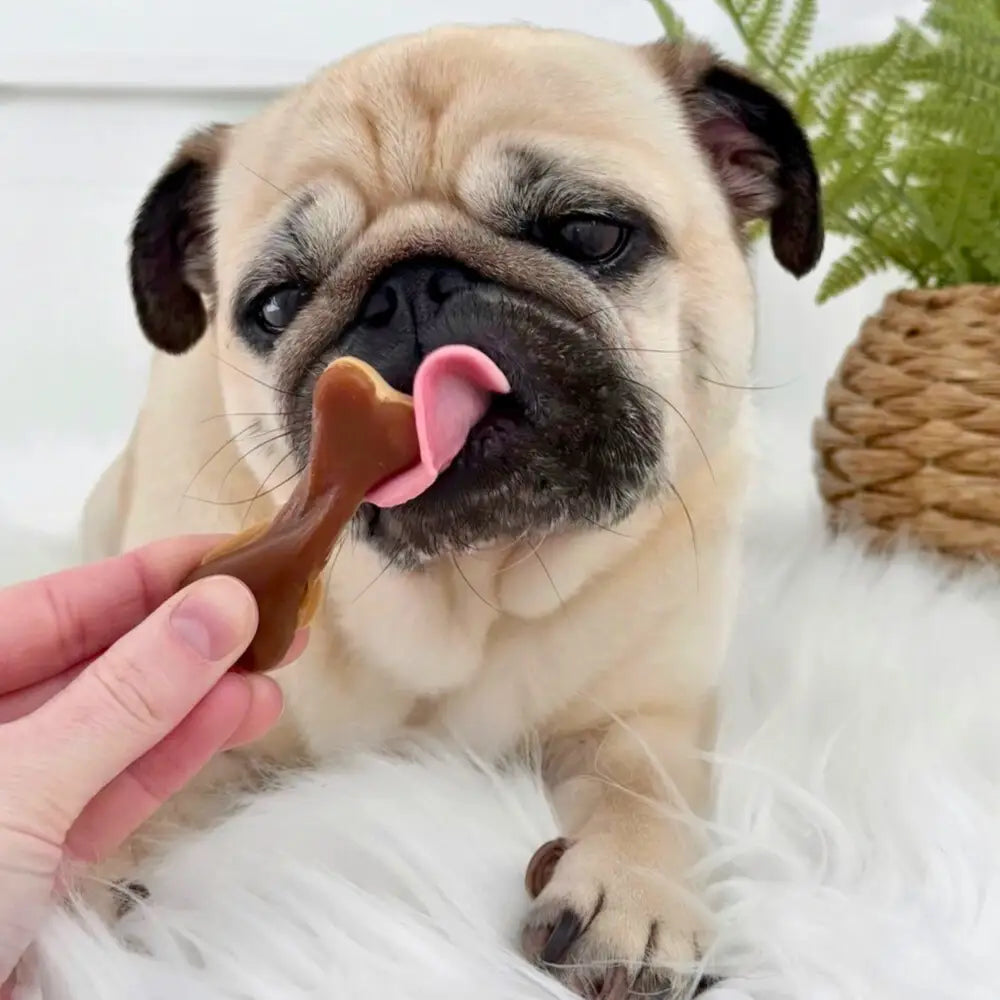
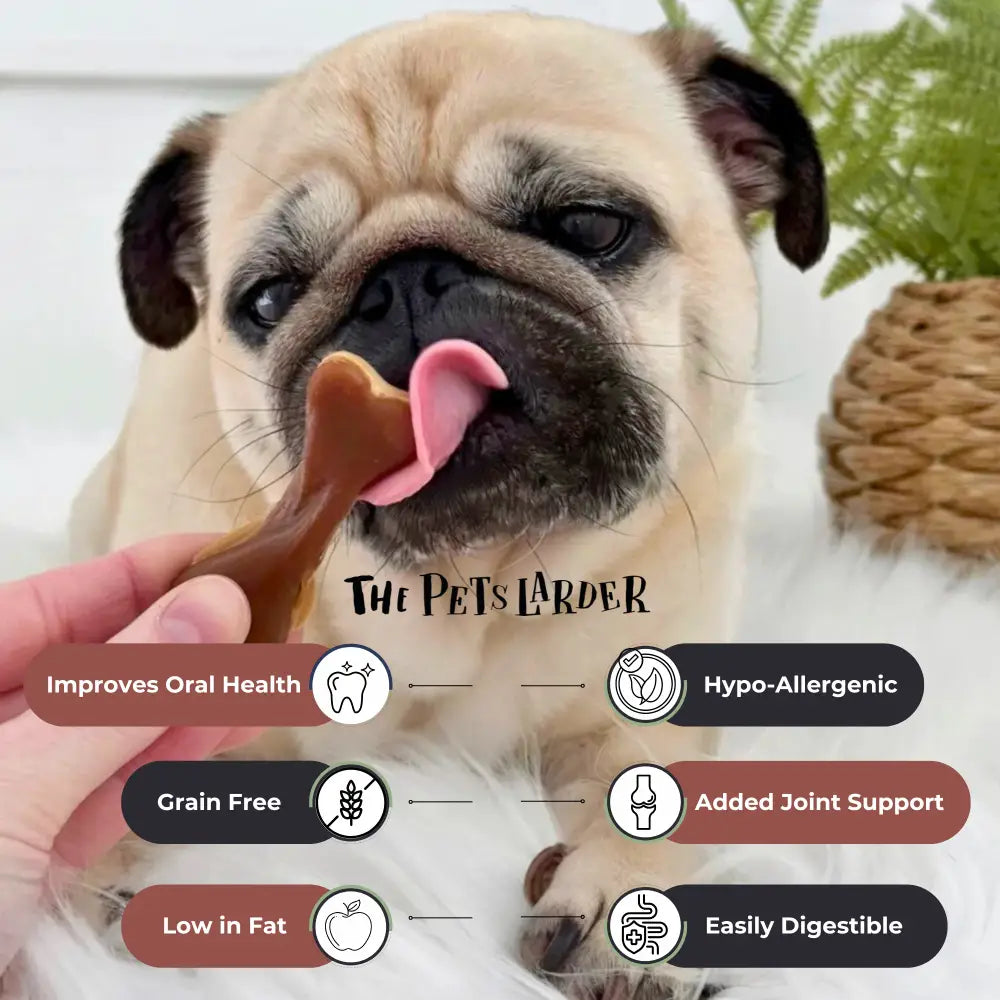
Peanut Butter Bone Chews For Dogs
Choose your option
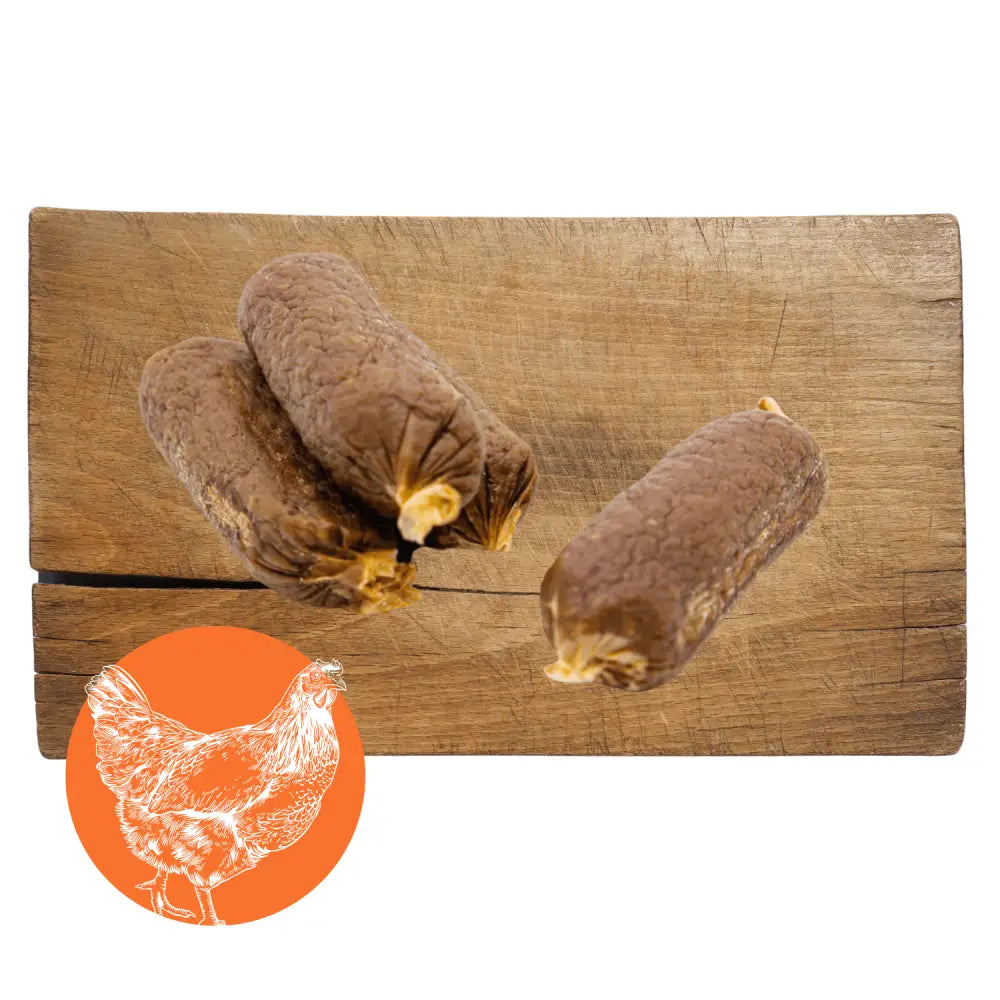
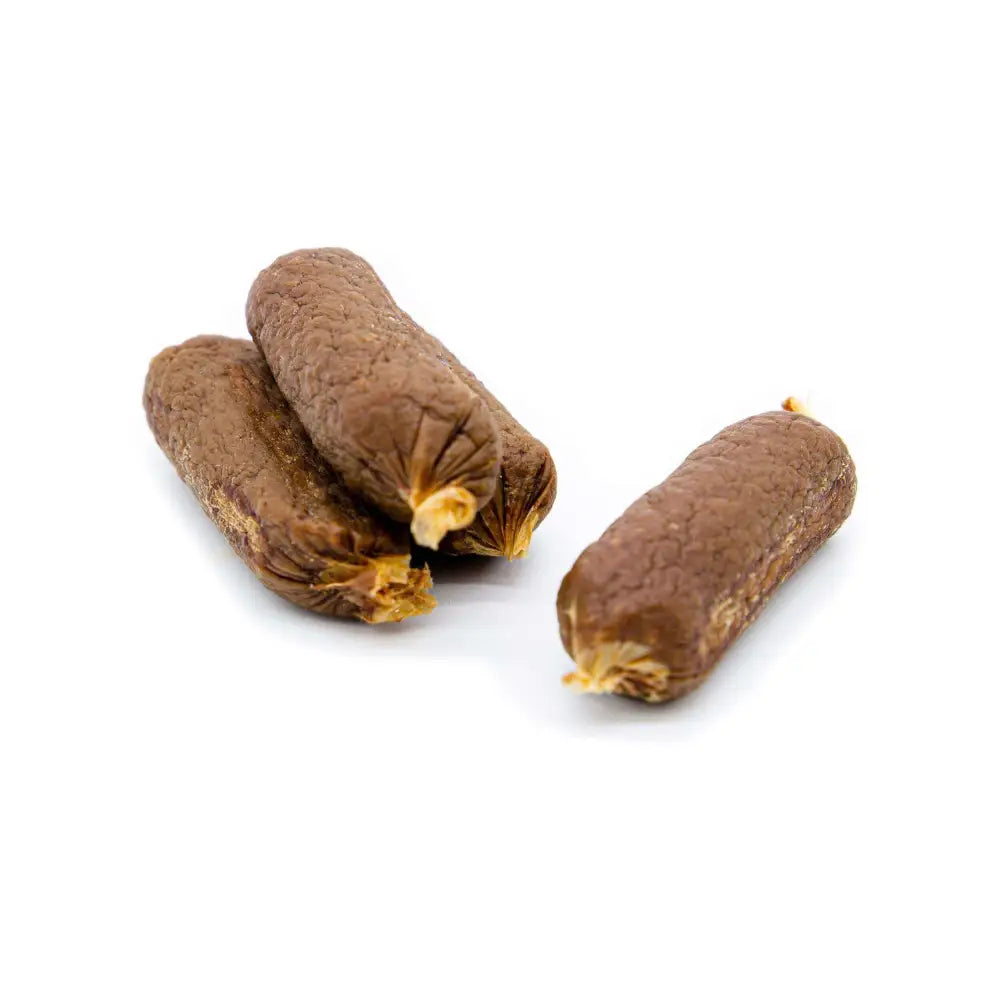
Chicken, Potato & Turmeric Sausage
Choose your option

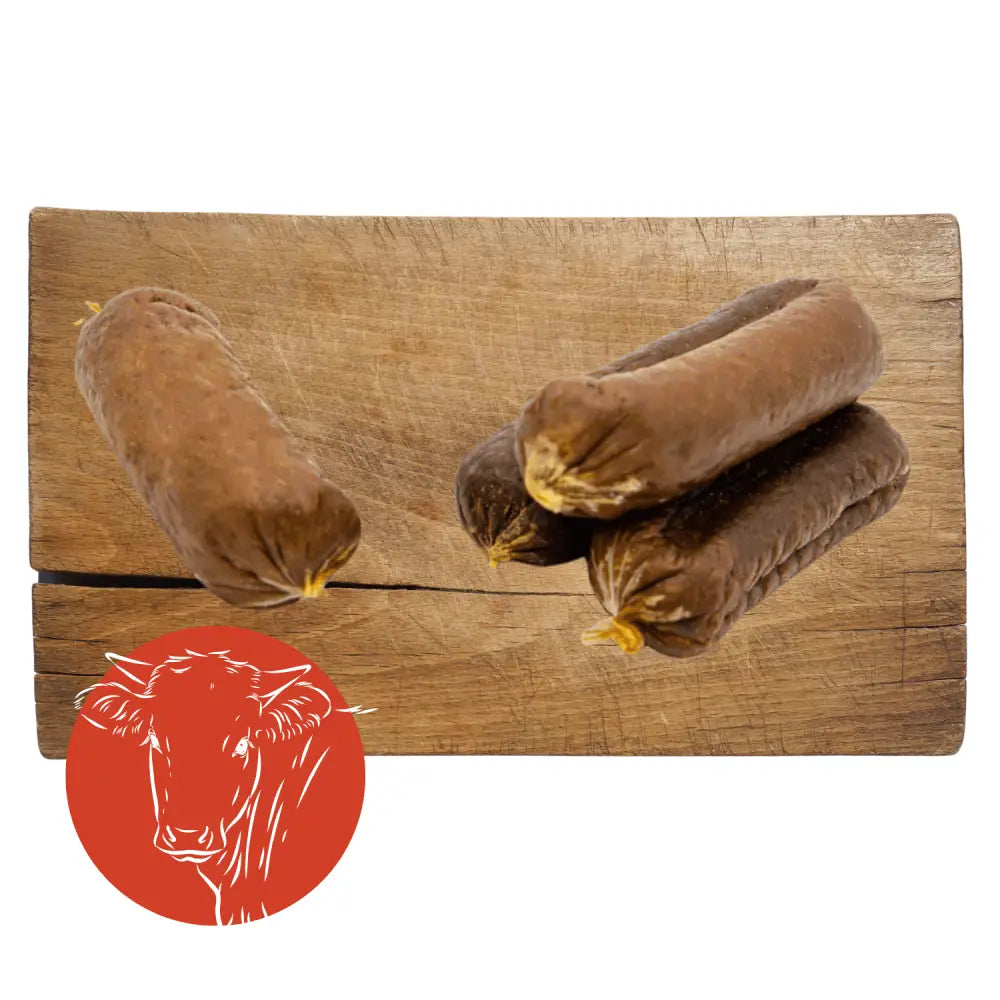
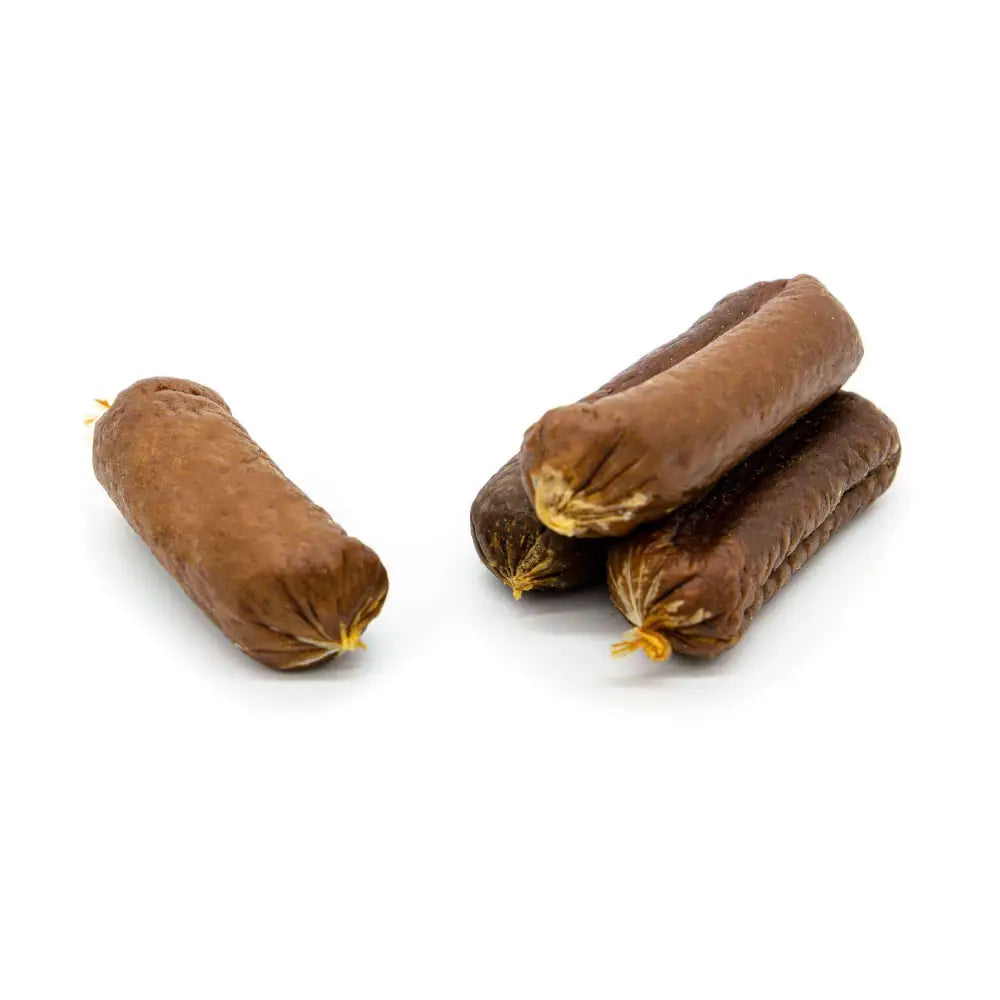
Dried Beef & Garlic Sausage
Choose your option
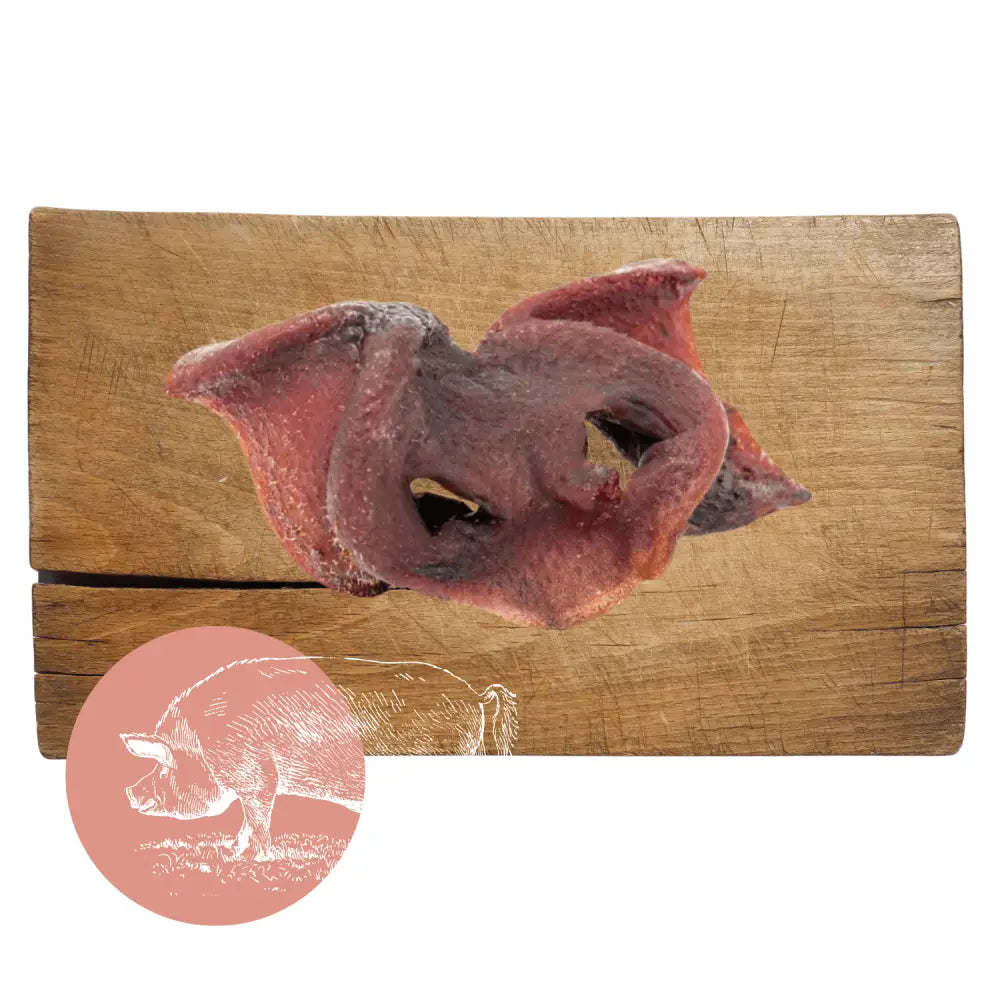
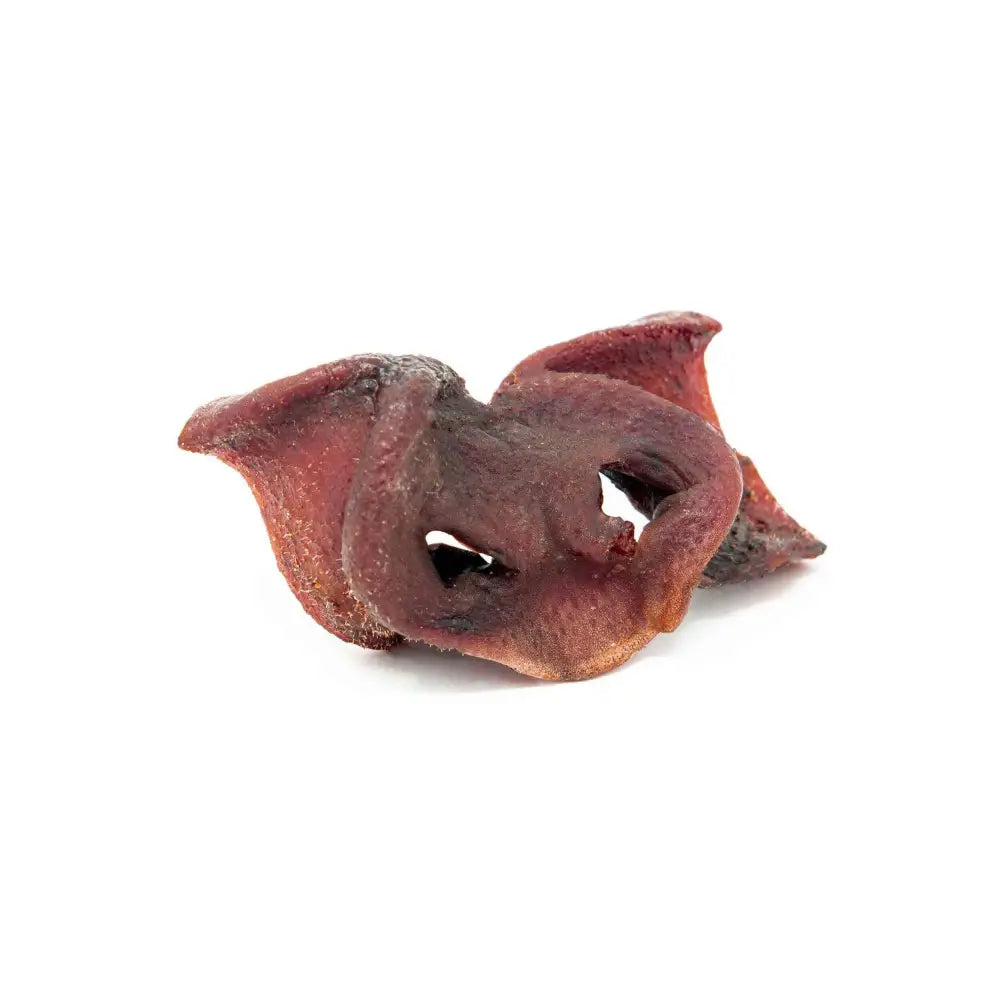
Pig Snout Natural Meat Chew For Dogs
Choose your option
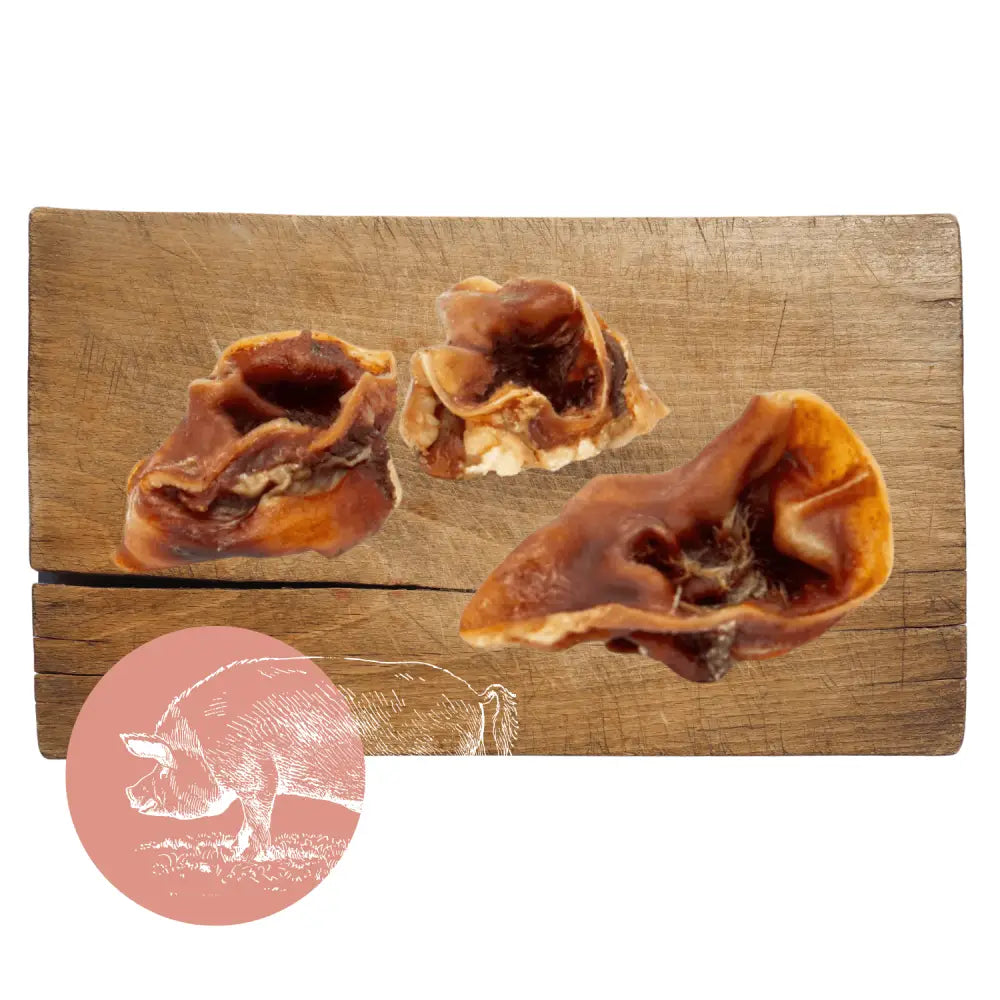
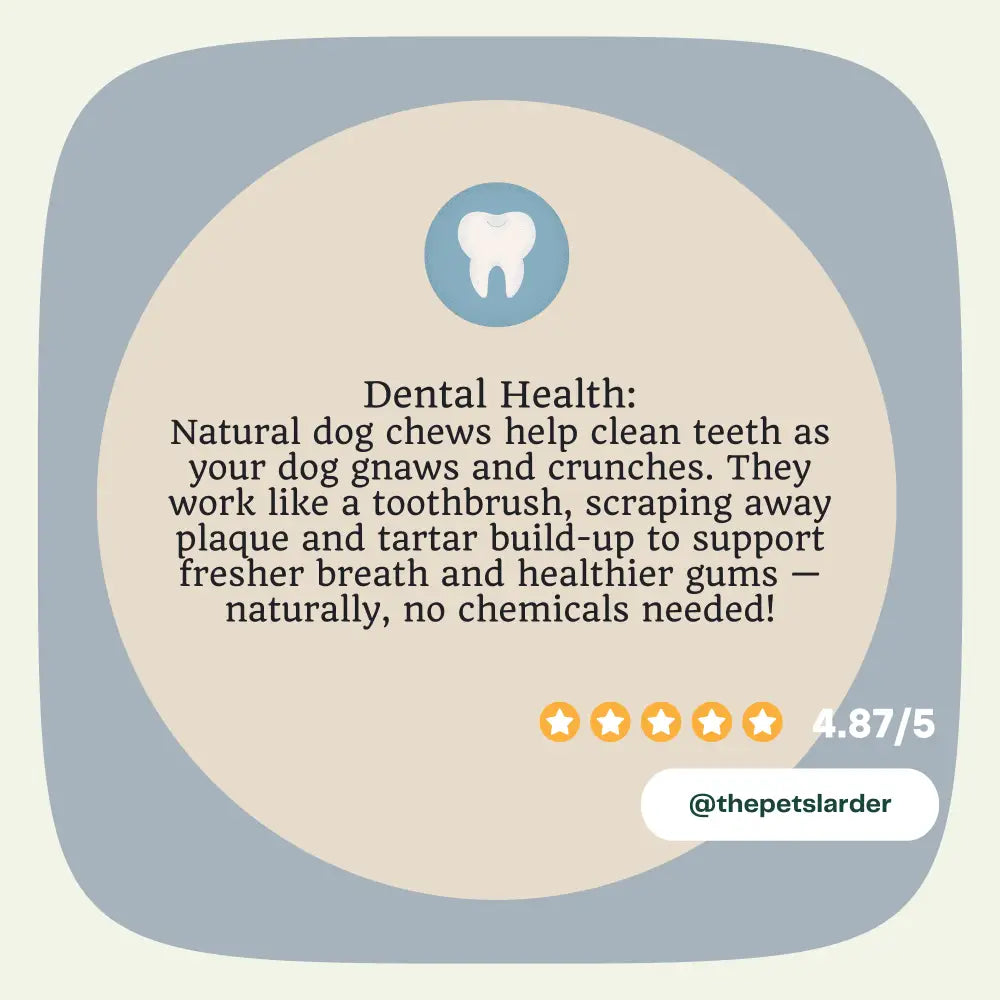
Pork Crunch Natural Meat Chew For Dogs
Choose your option
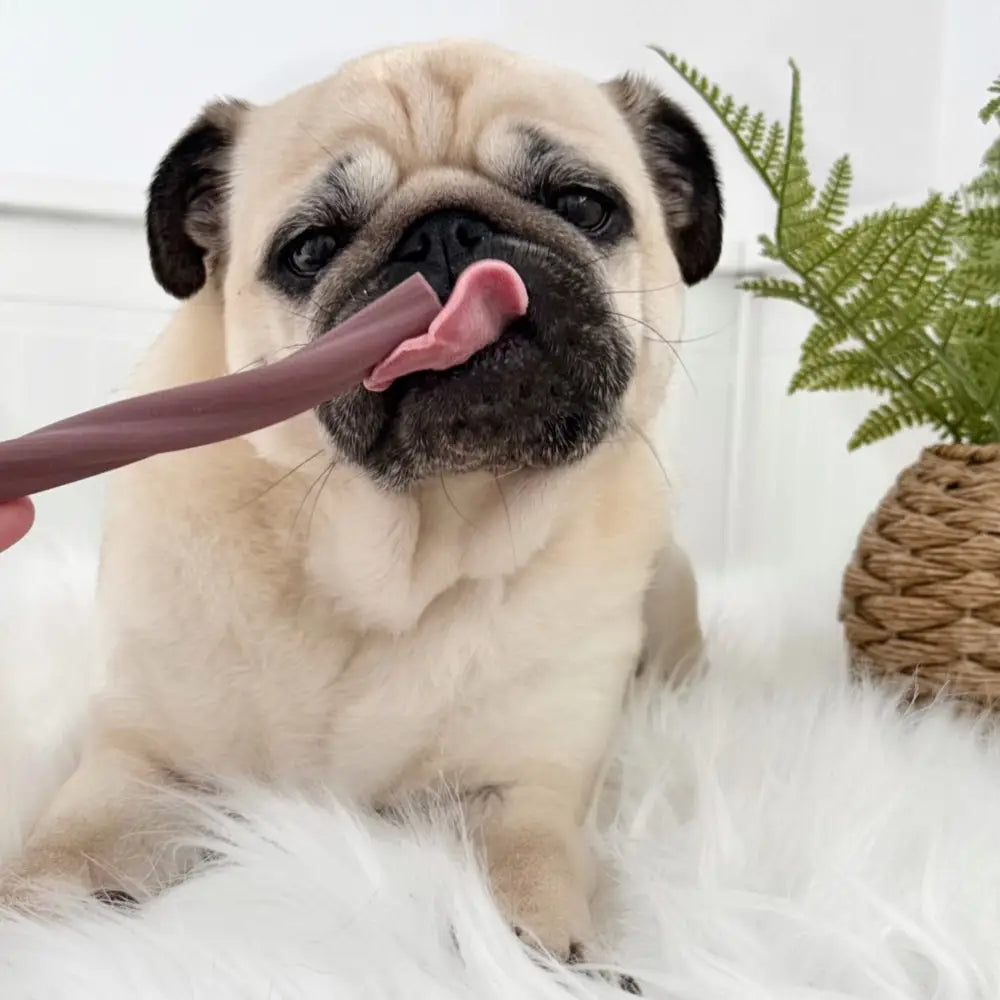
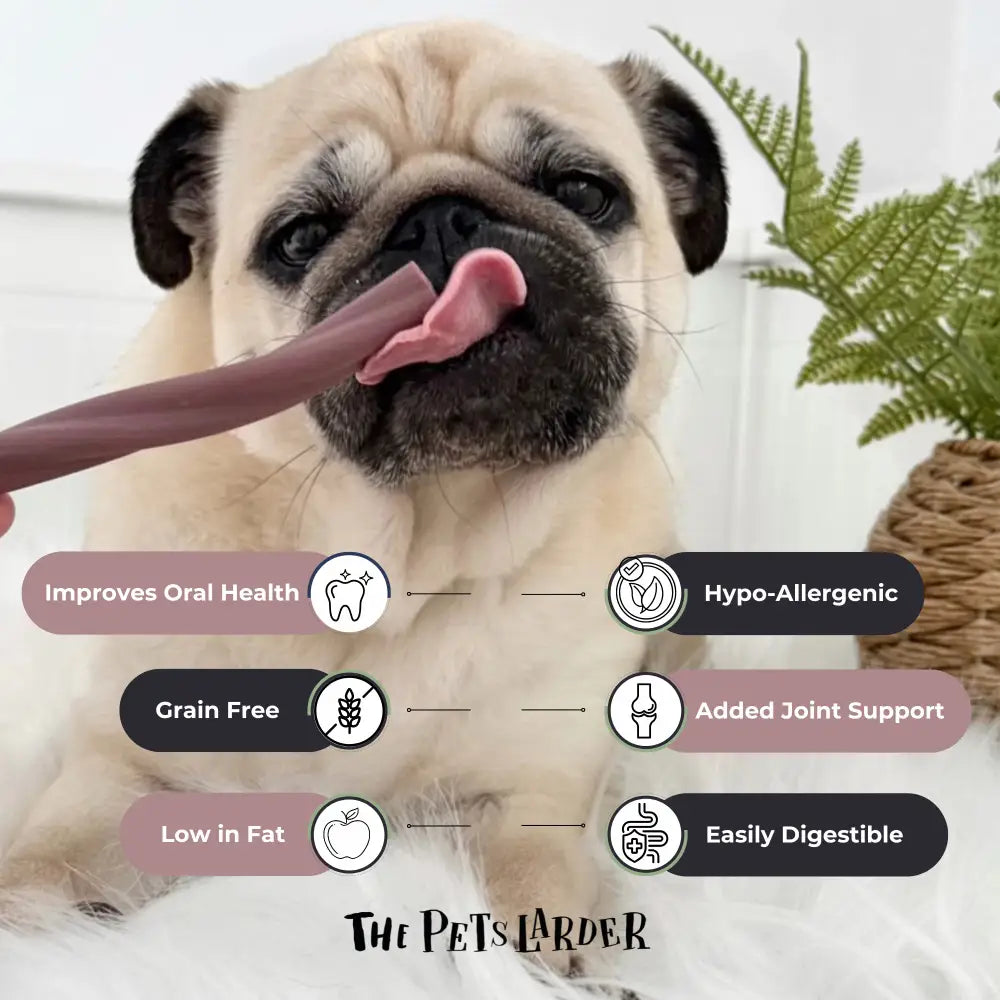
Blueberry Clover Chew For Dogs
Choose your option
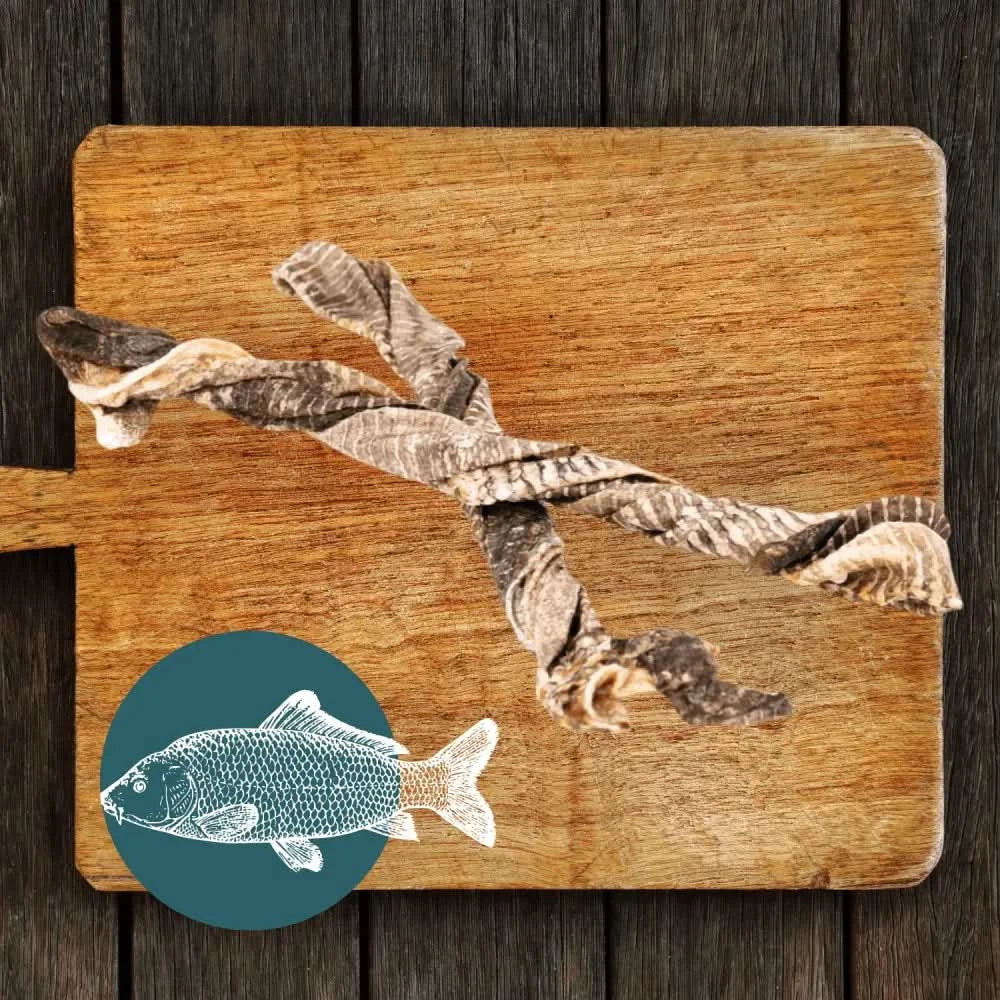
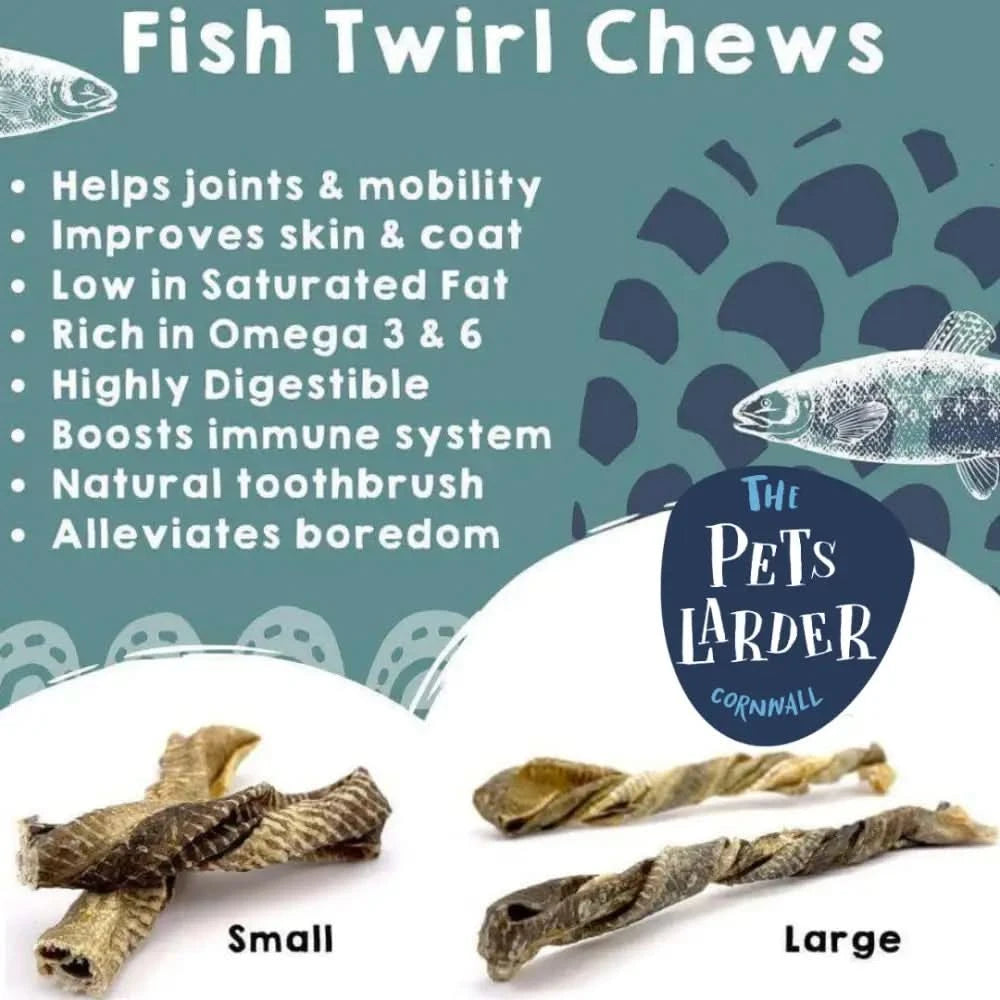
Fish Twirl Chew For Dogs
Choose your option
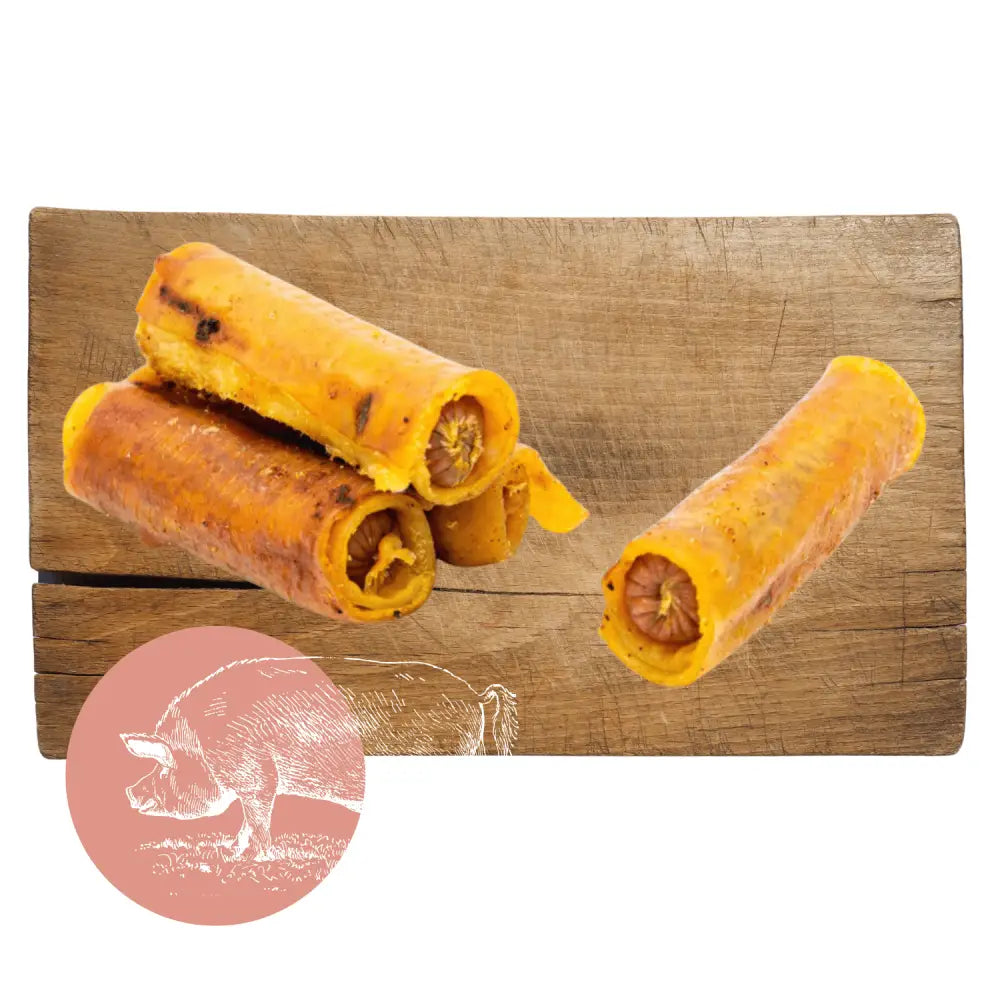
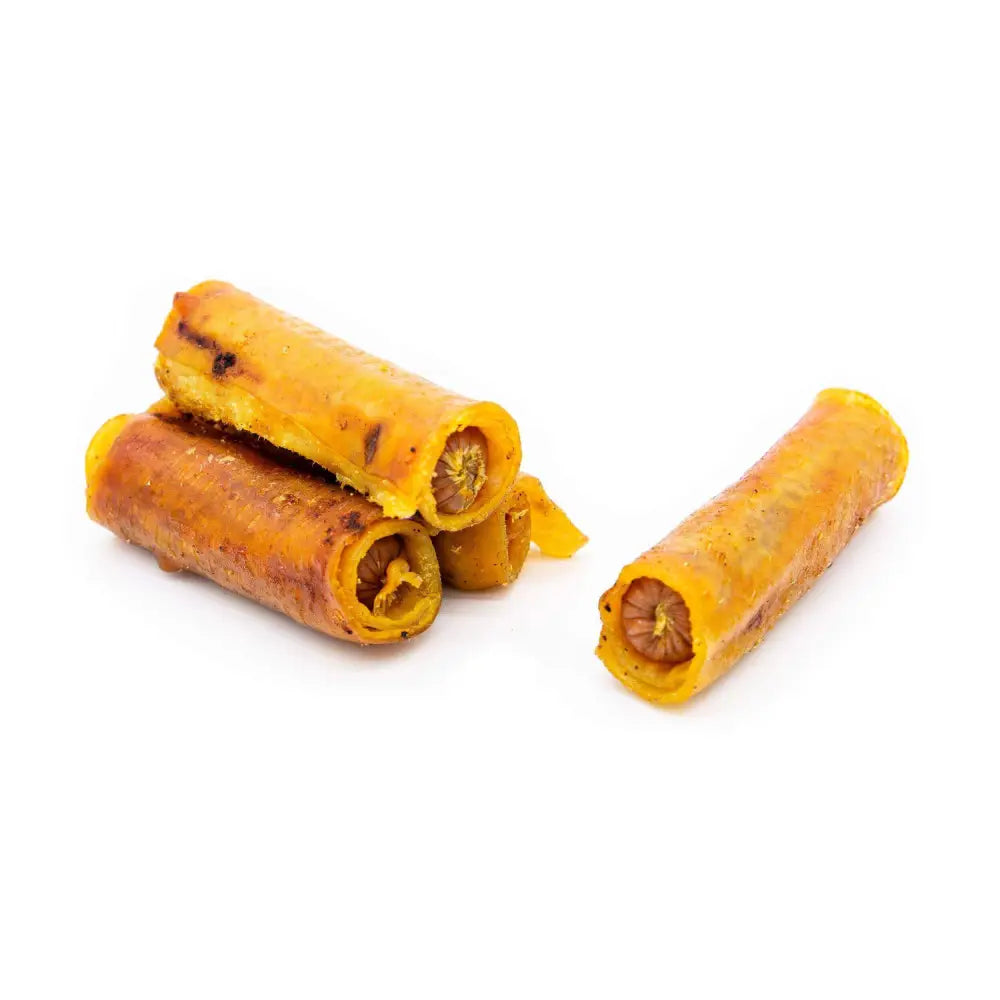
Pigs in Blankets Natural Meat Chew For Dogs
Choose your option
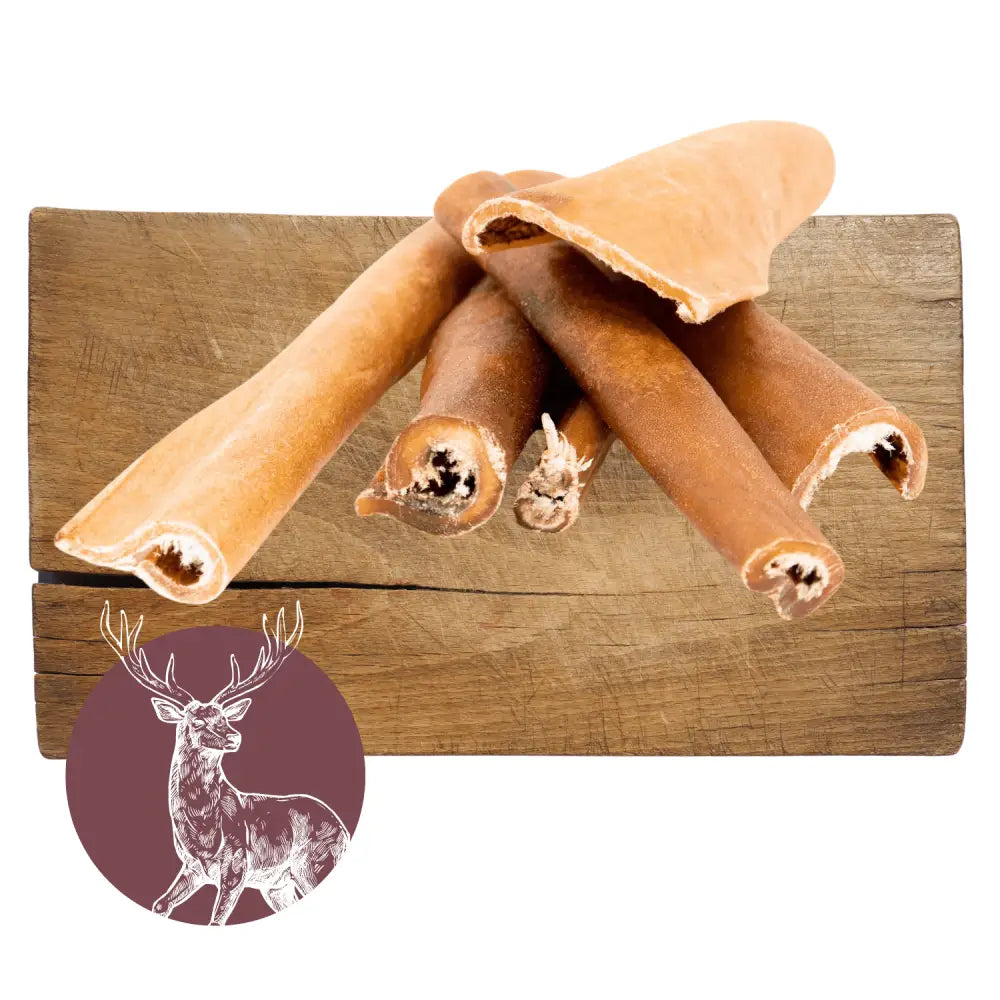
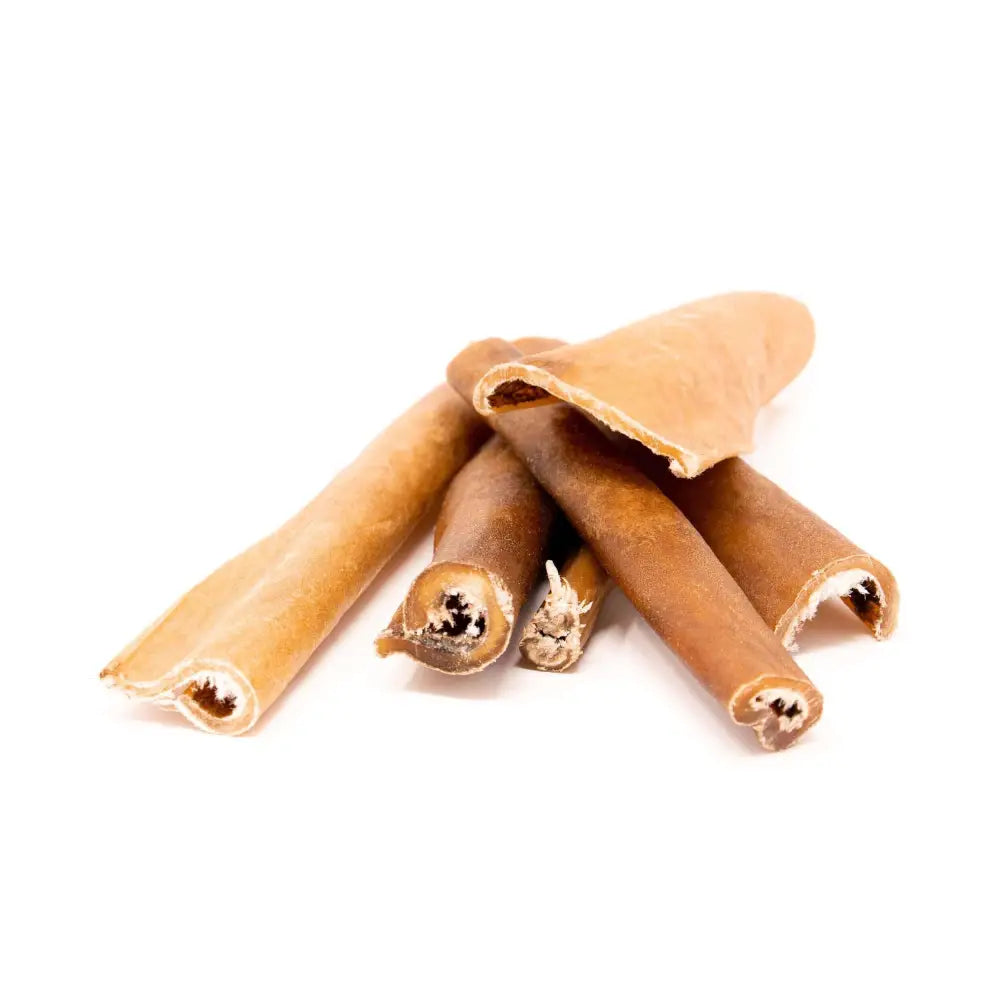
Venison Skin Natural Meat Chew For Dogs
Choose your option
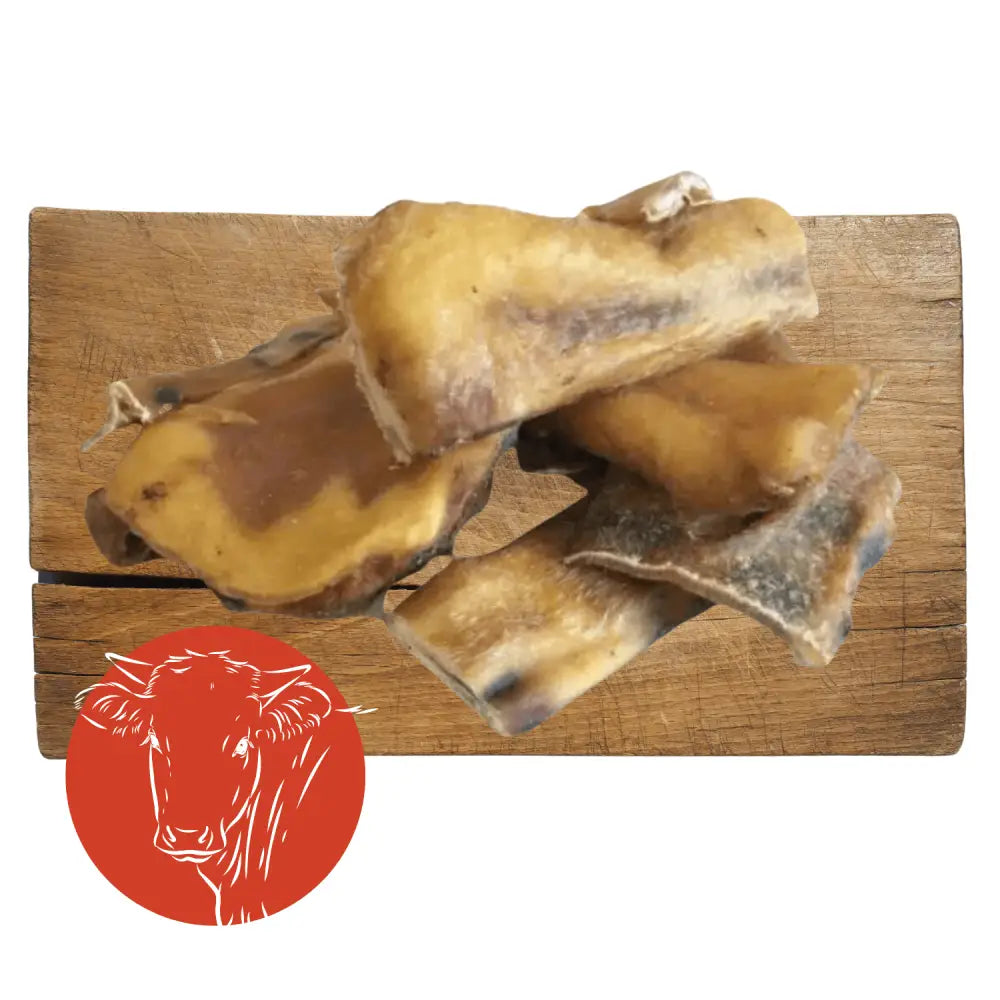
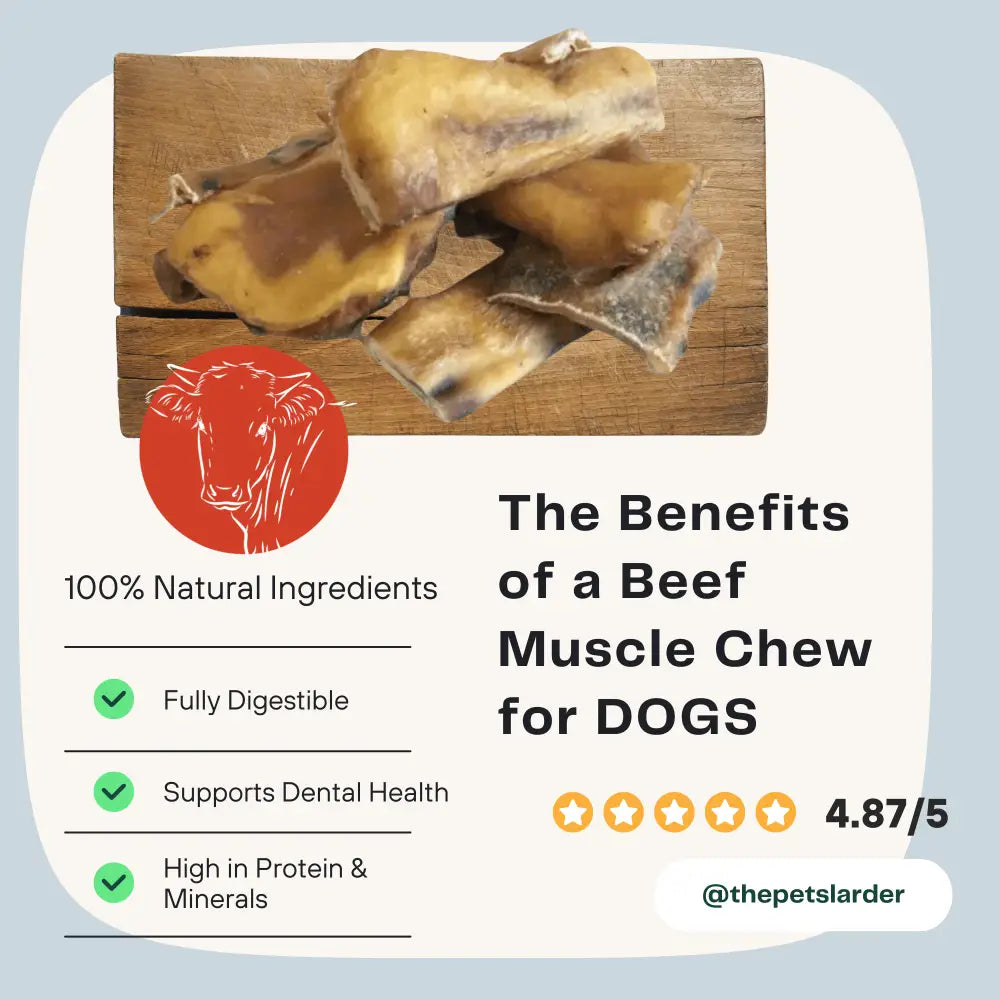
Beef Muscle Chew Natural Meat Chew For Dogs
Choose your option
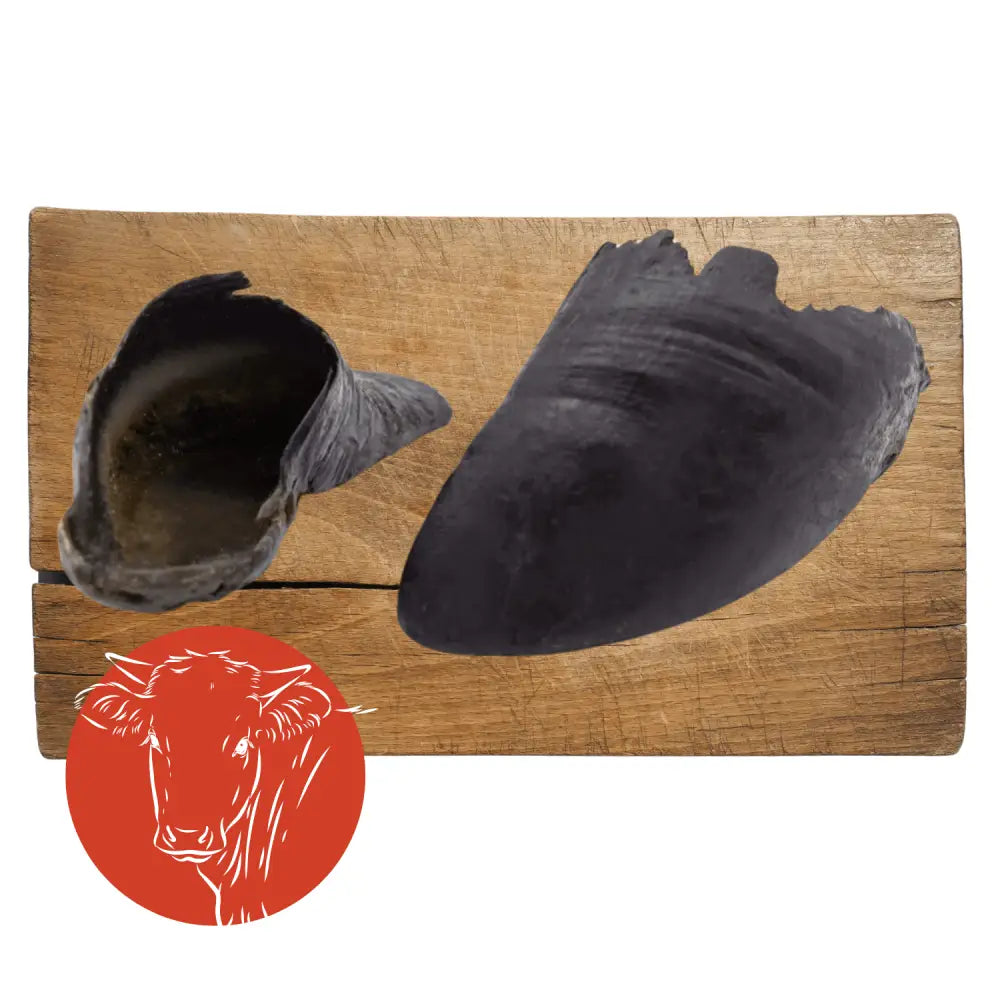
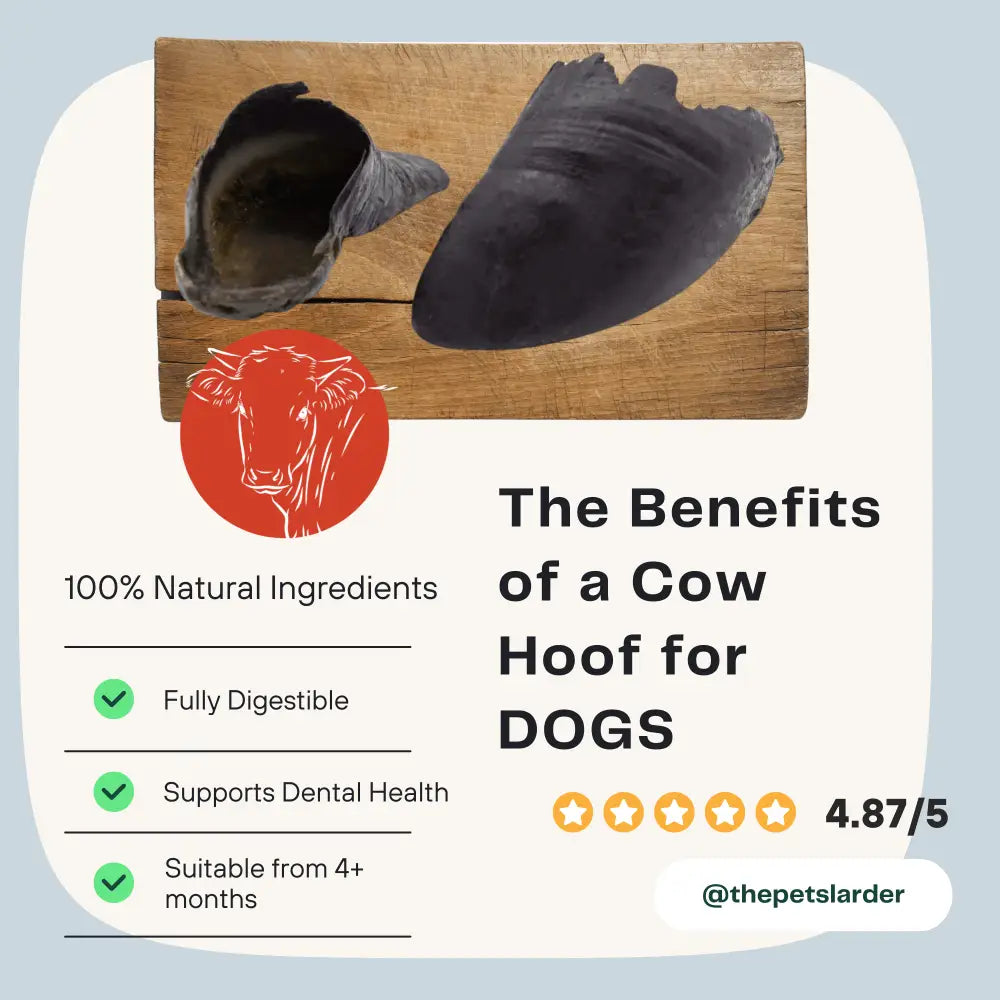
Cow Hooves Chew For Dogs
Choose your option
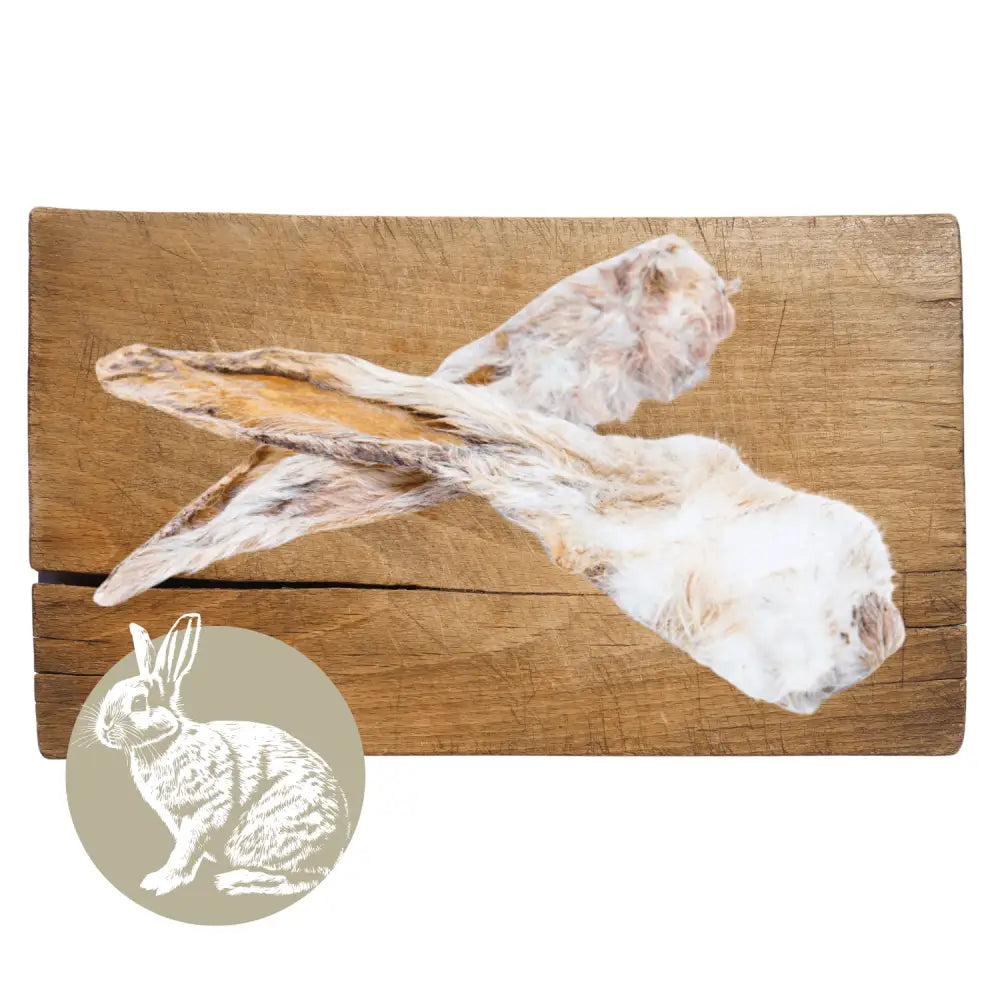
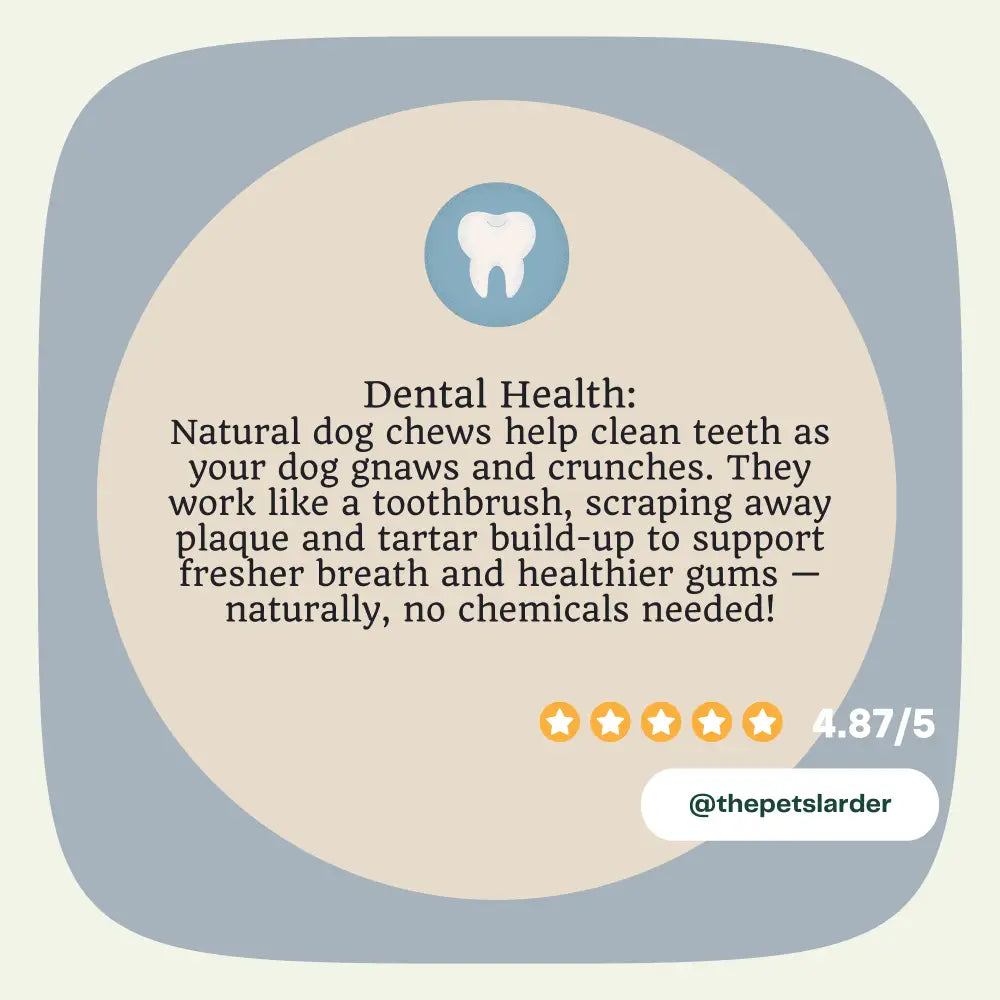
Rabbit Ear with Fur Natural Meat Chew For Dogs
Choose your option
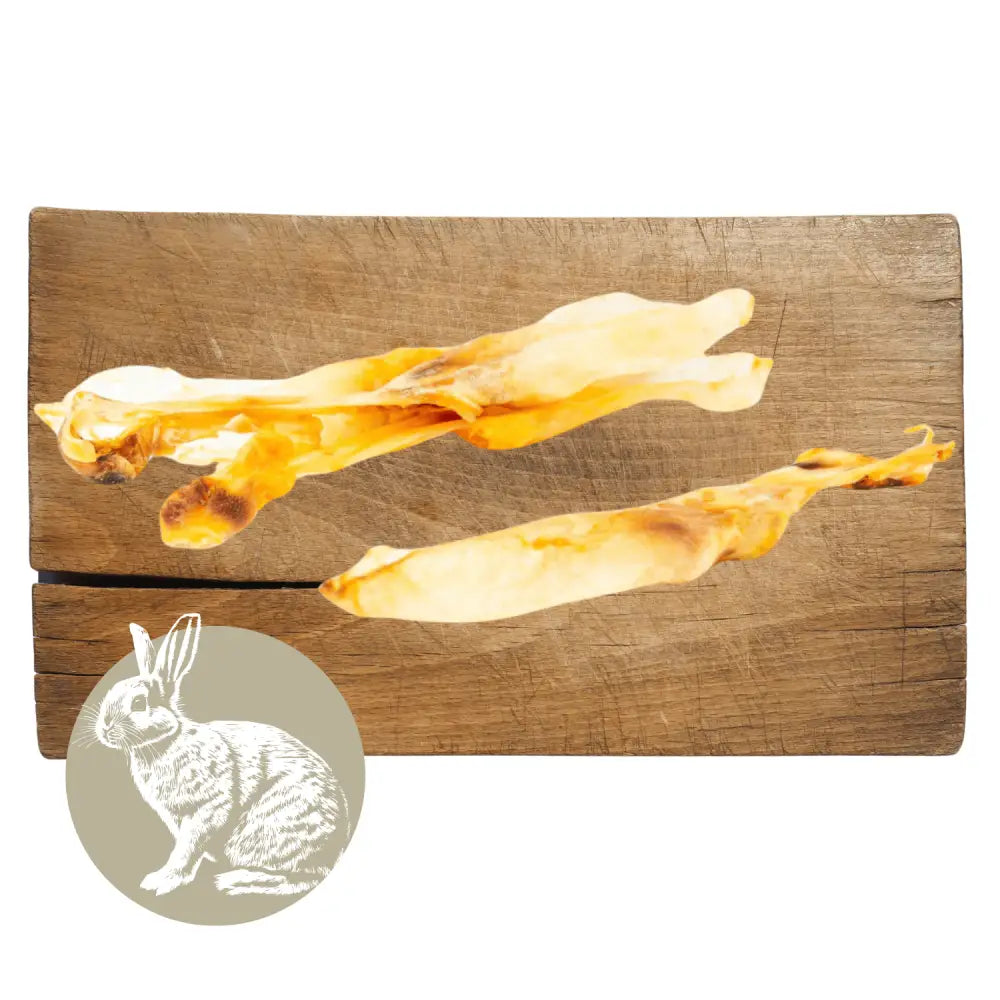
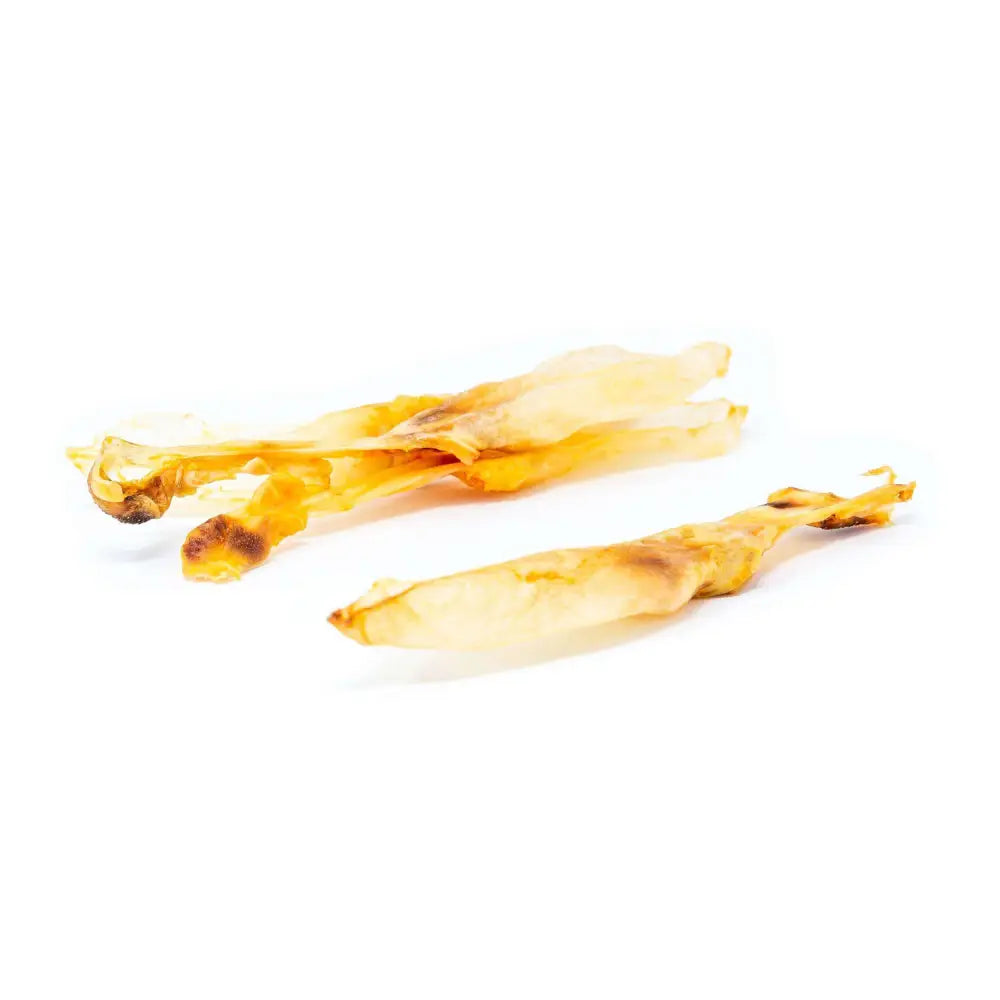
Rabbit Ear without Fur Natural Meat Chew For Dogs
Choose your option
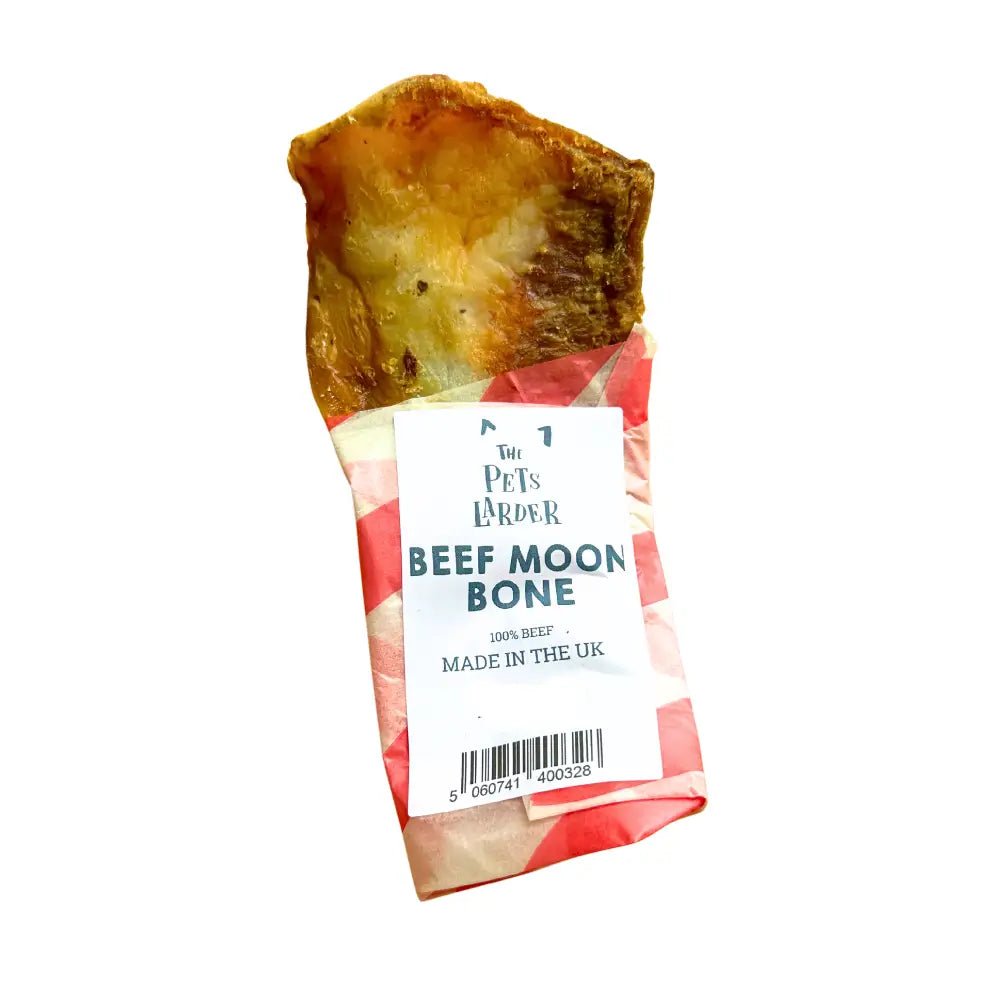
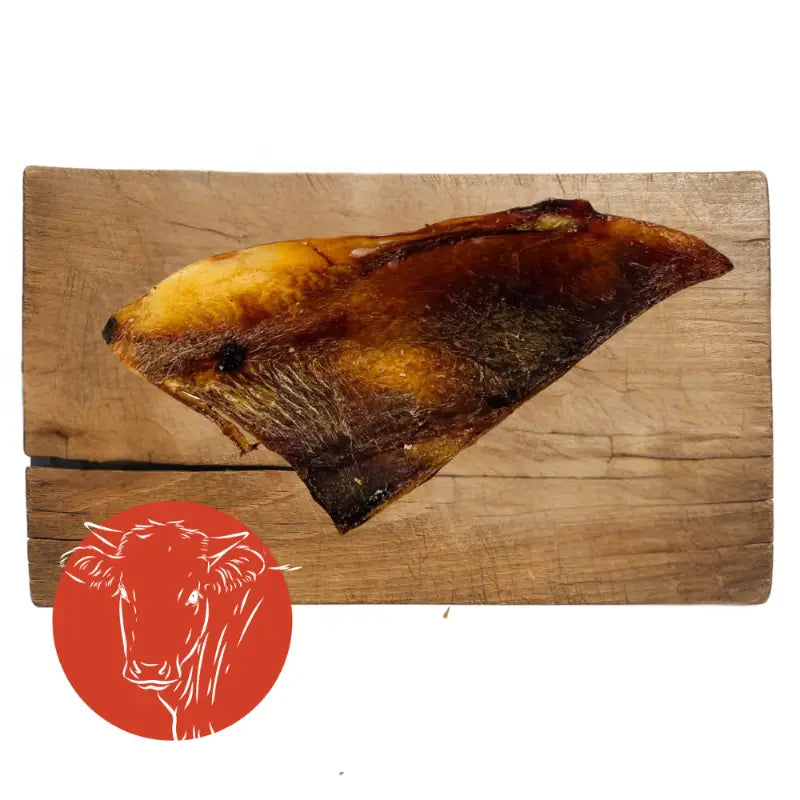
Beef Moon Bone Natural Chew for Dogs
Choose your option
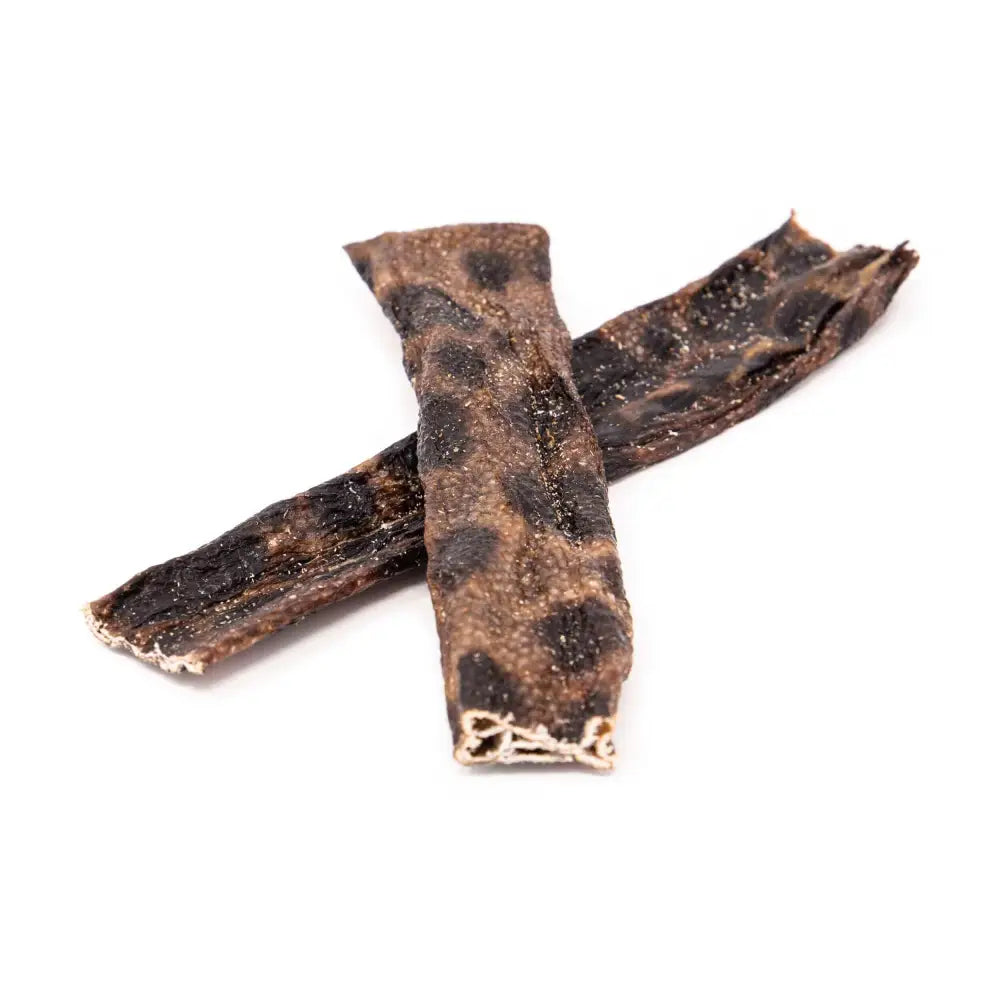
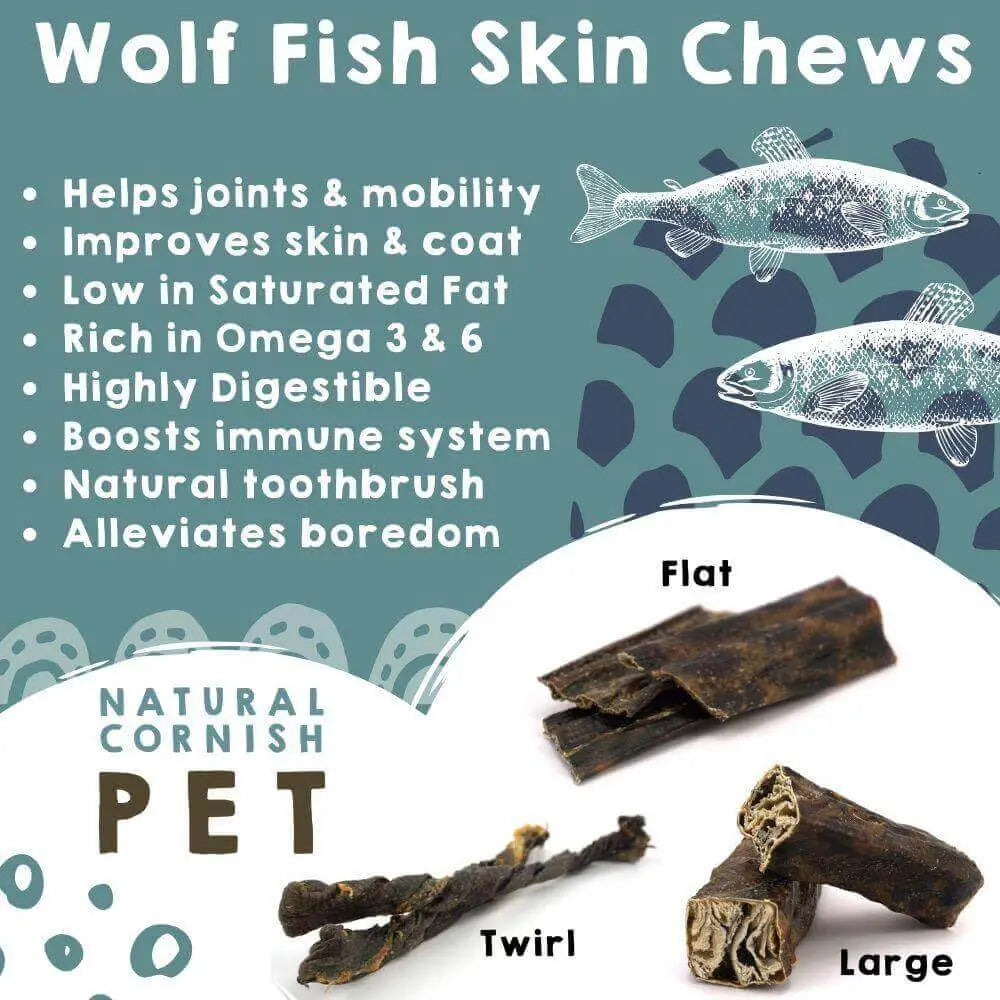
Wolf Fish Flat Chew For Dogs
Choose your option

JR Pet Products Beef Trachea Singles
Choose your option
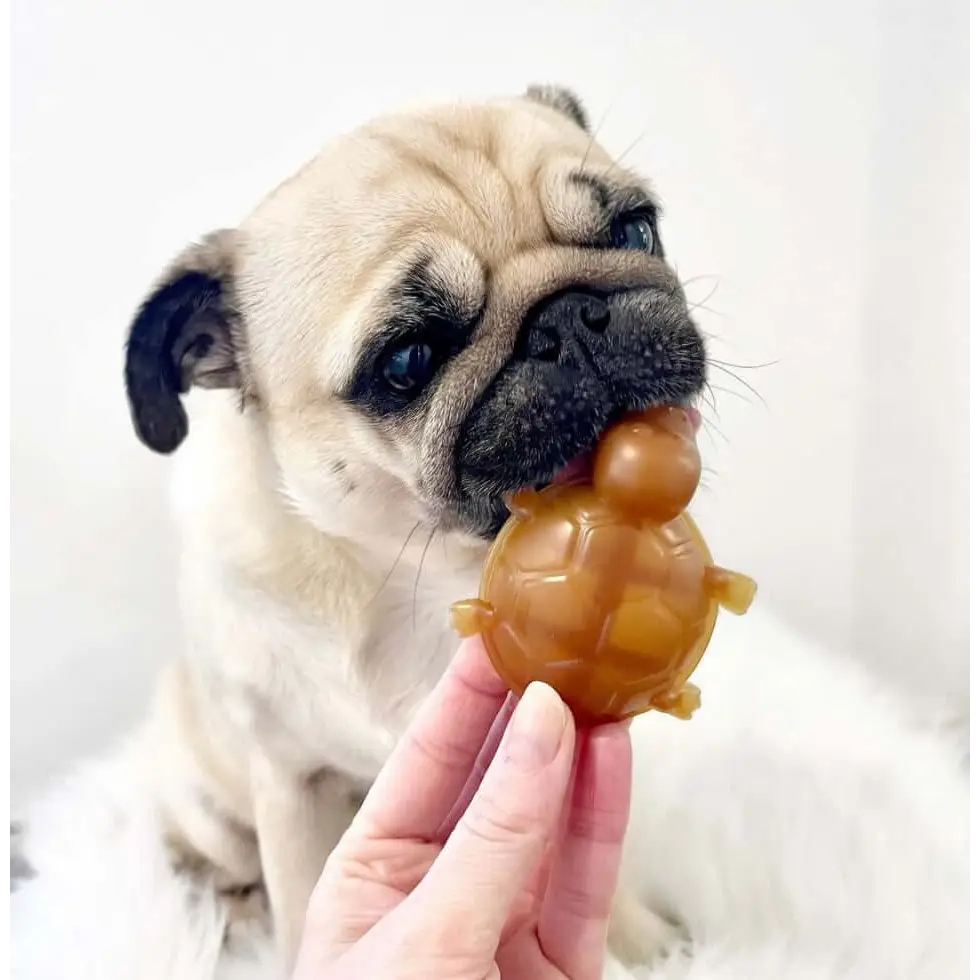
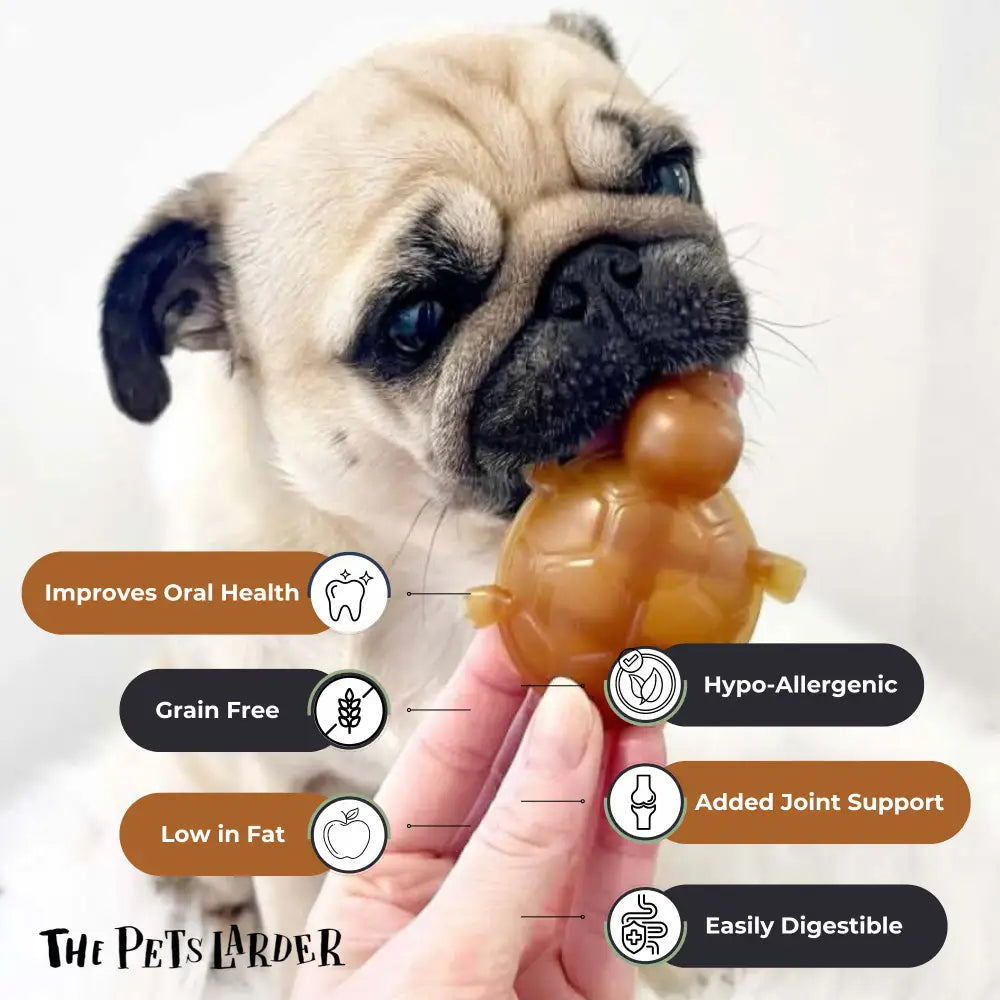
Vegetable & Peanut Butter Turtle Chew For Dogs
Choose your option
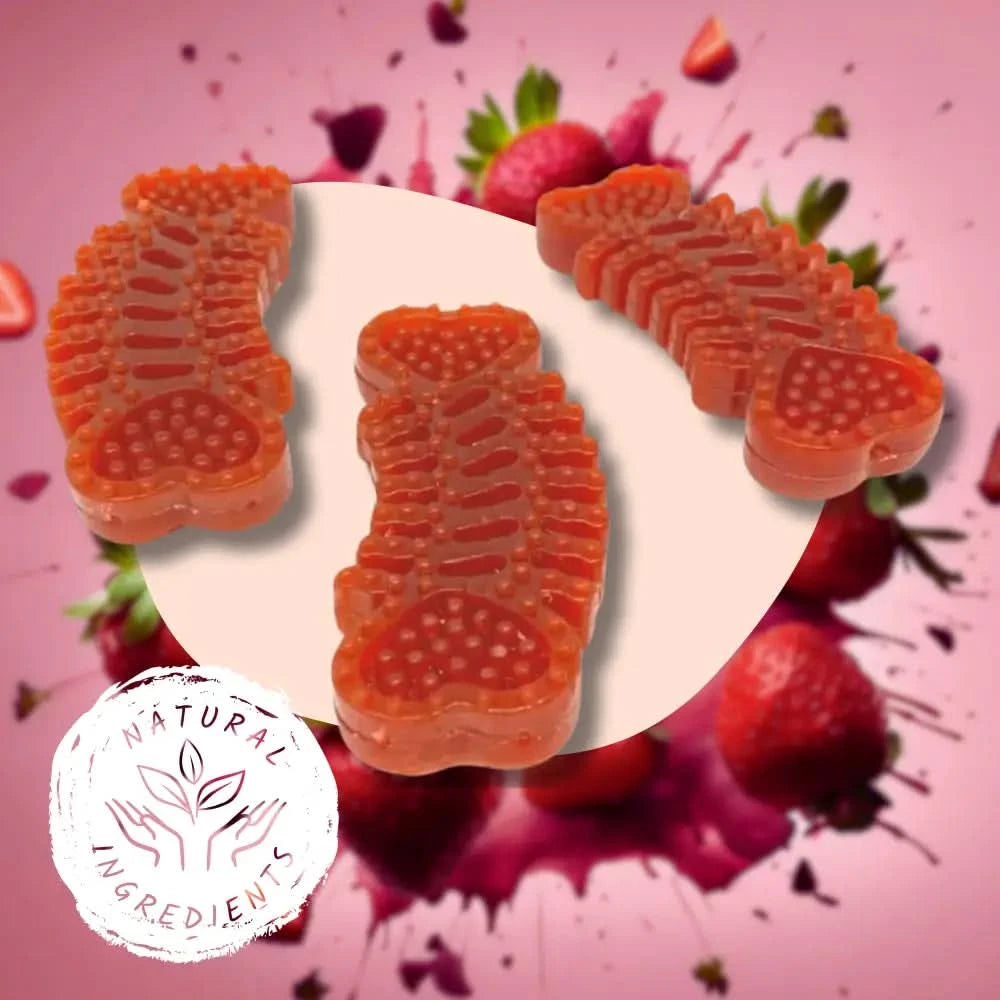
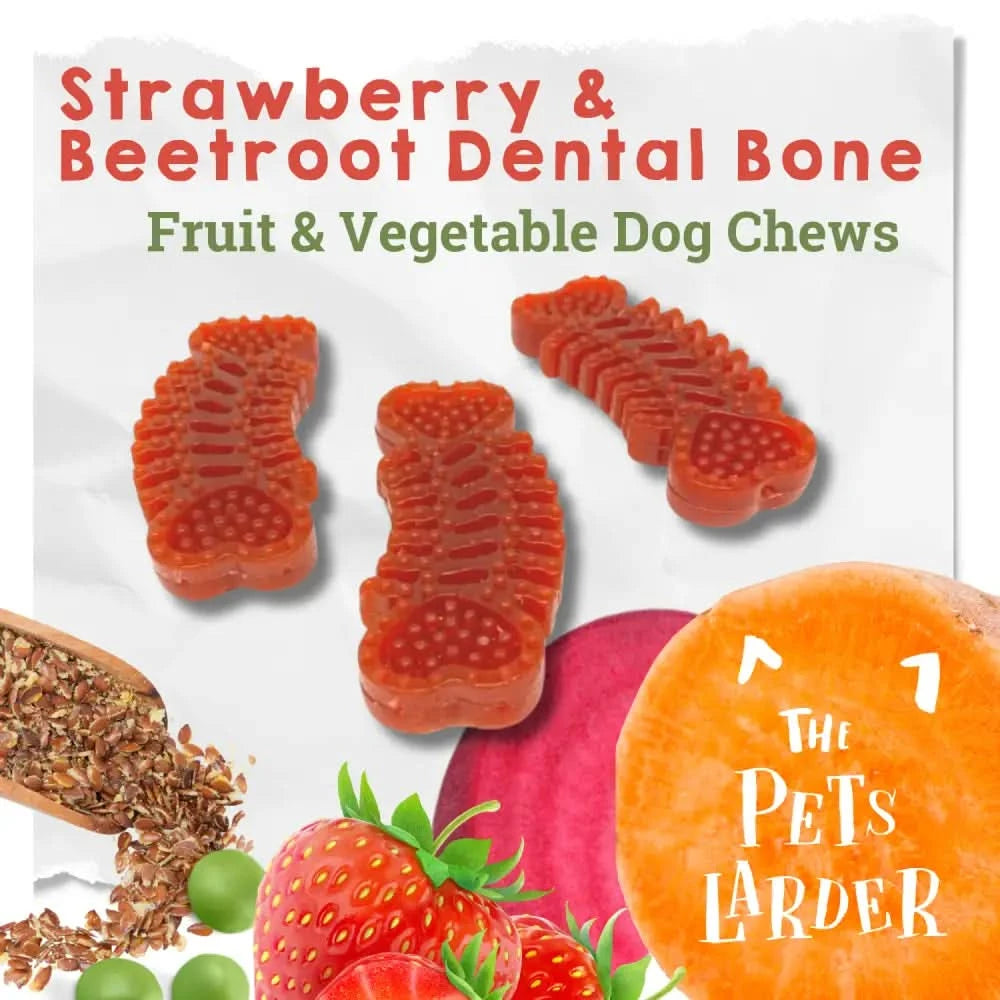
Strawberry & Beetroot Dental Bone Chew For Dogs
Choose your option
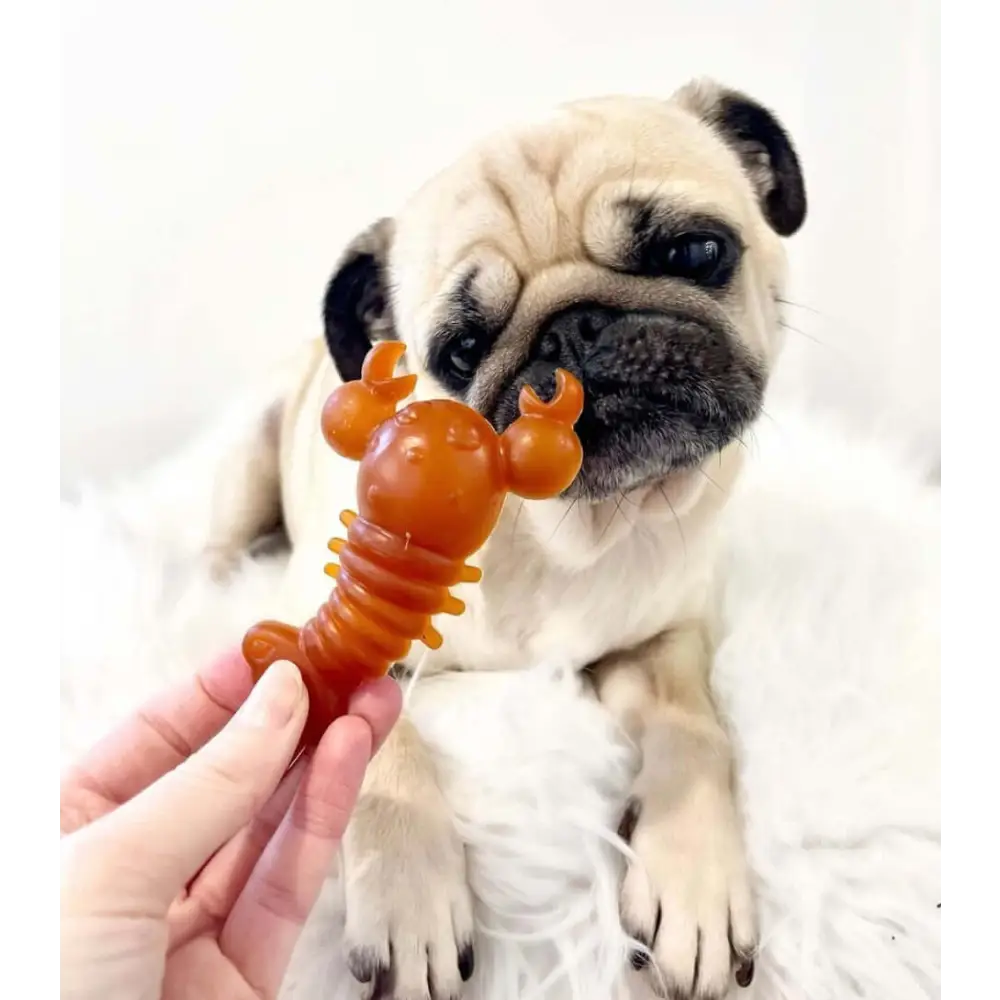
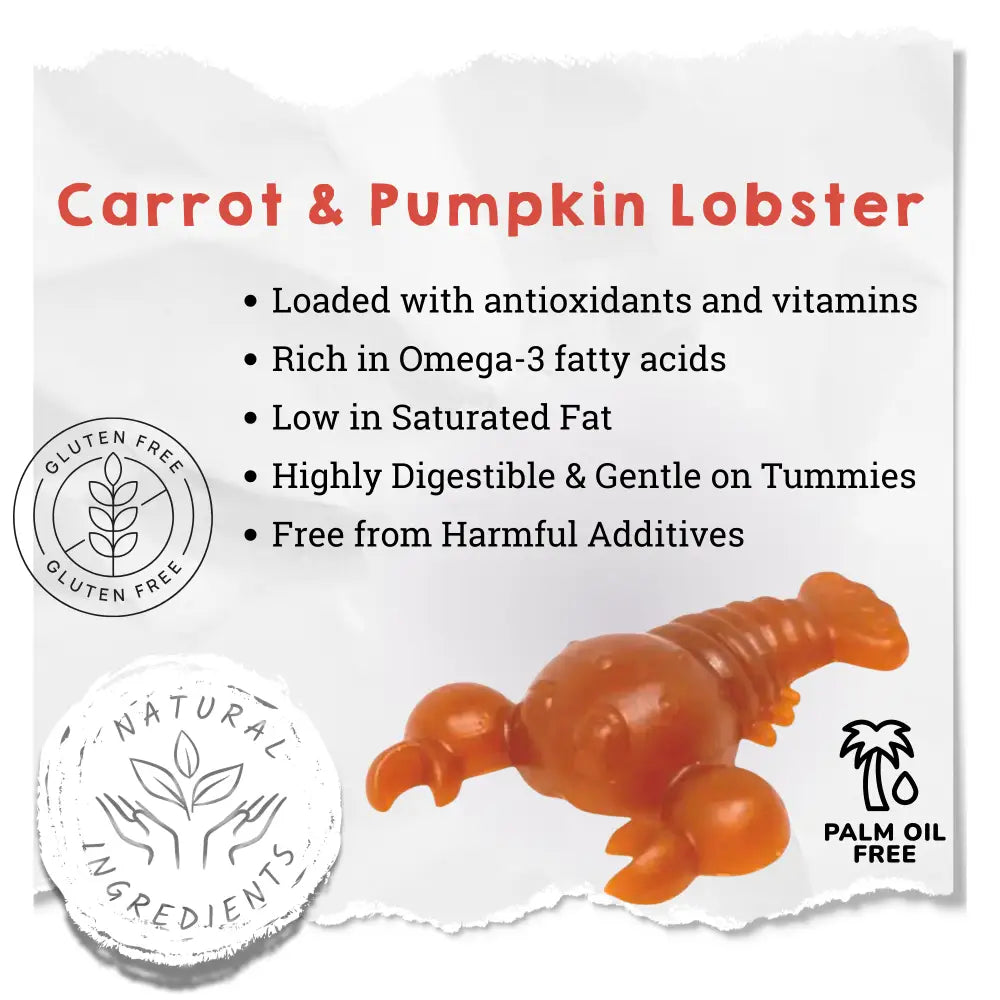
Carrot & Pumpkin Lobster Chew For Dogs
Choose your option
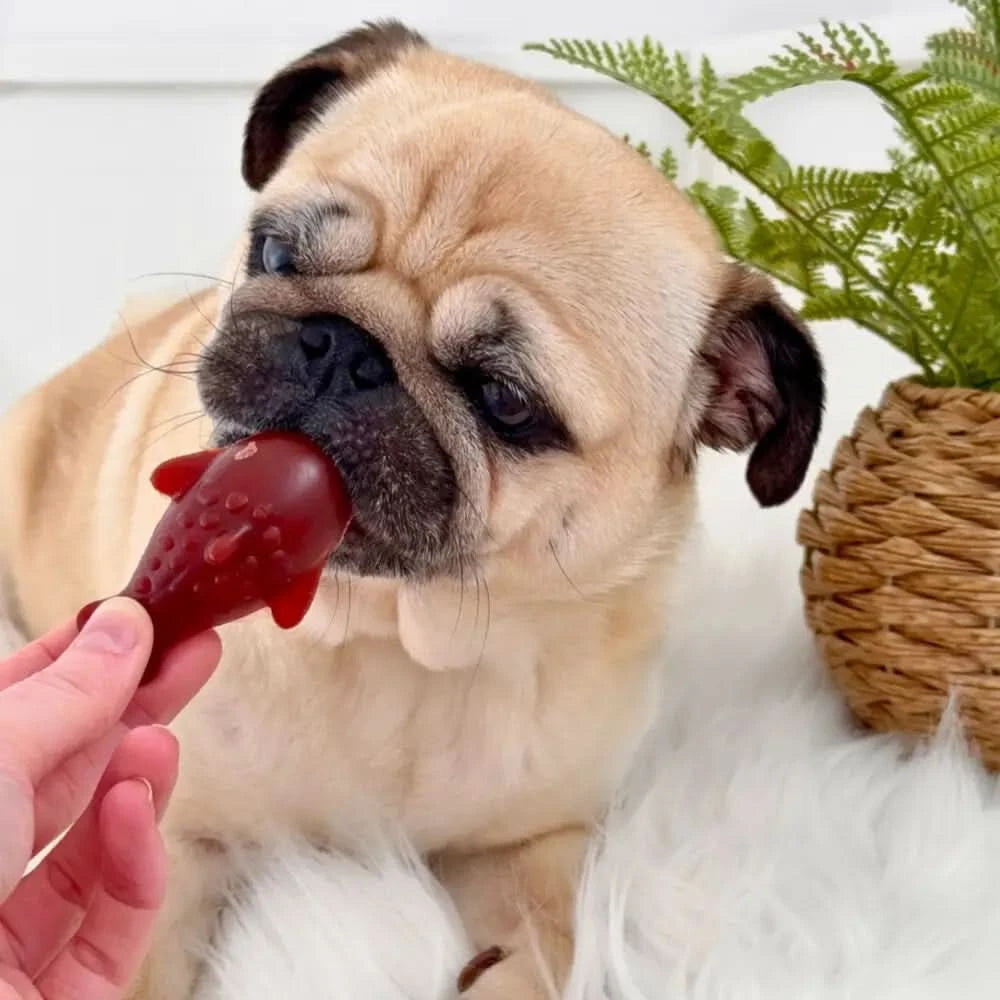
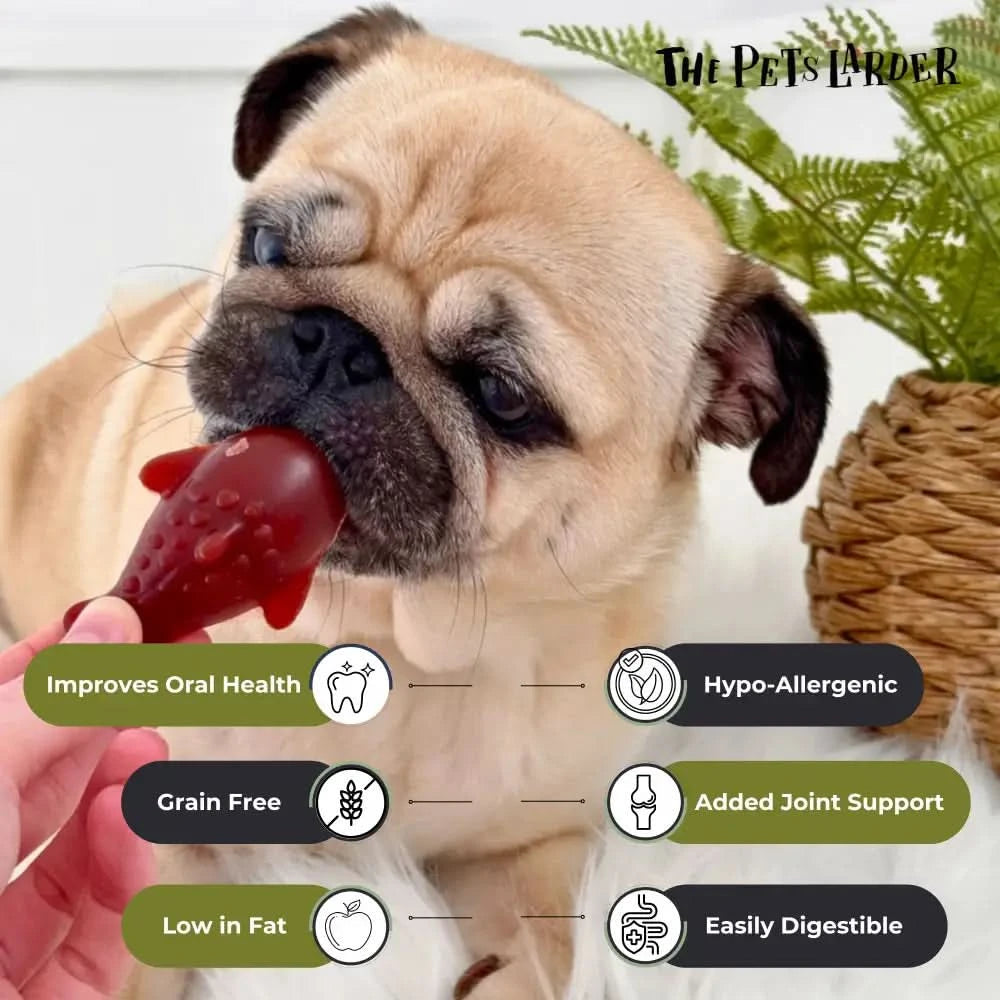
Strawberry & Banana Dolphin Vegetable Chew For Dogs
Choose your option
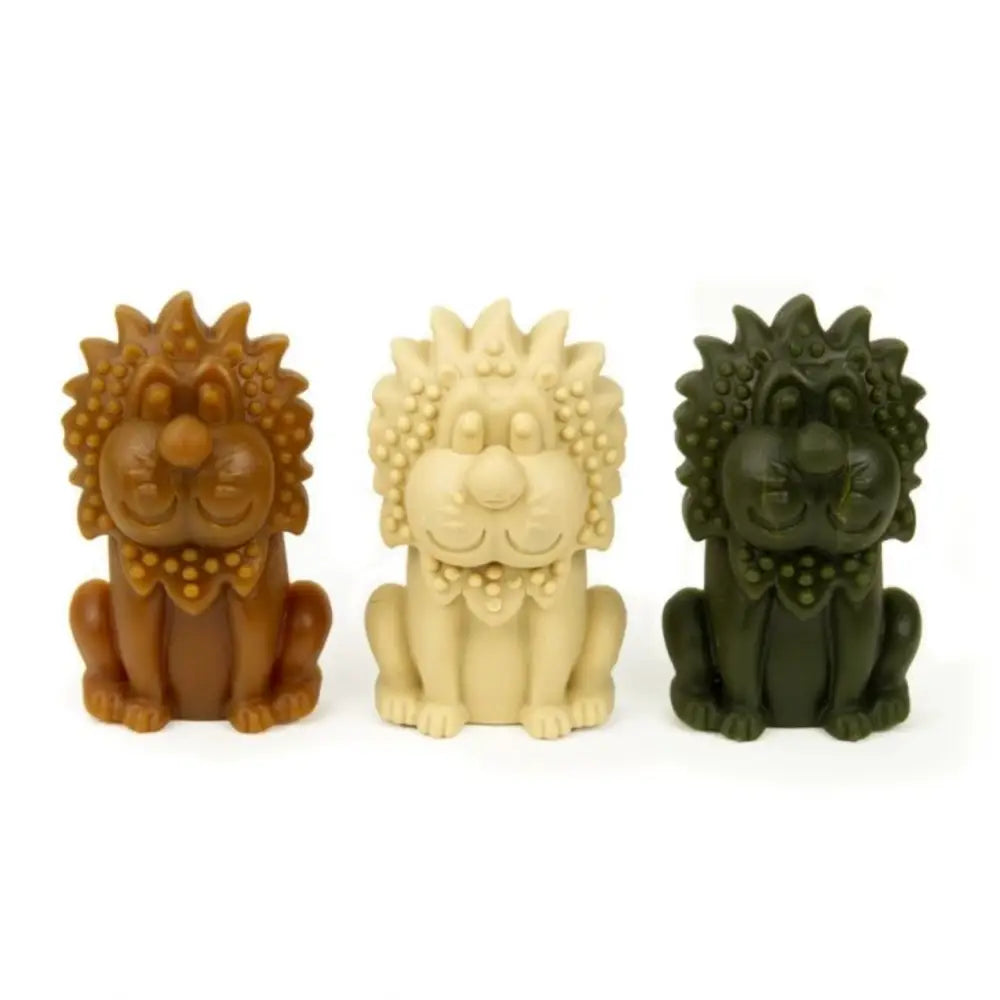
Choods Lion Shaped Large Treat for Dogs
Choose your option
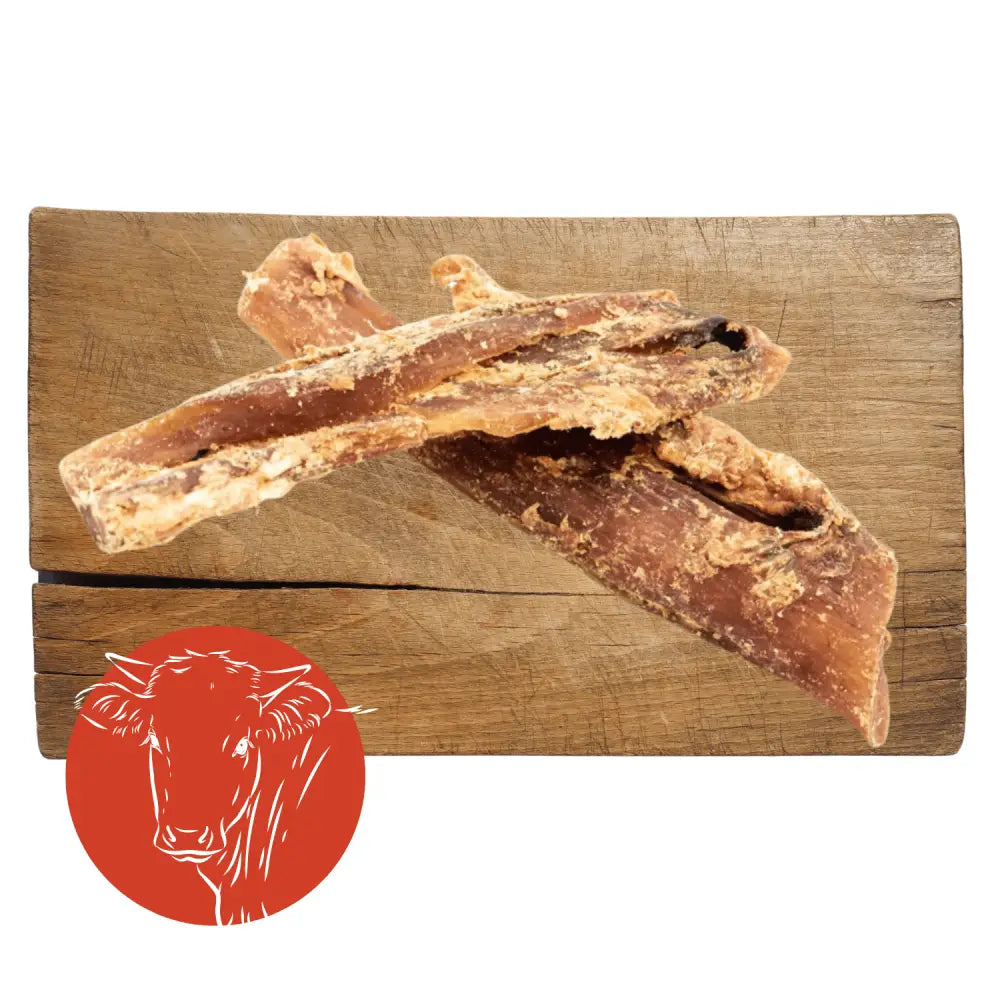
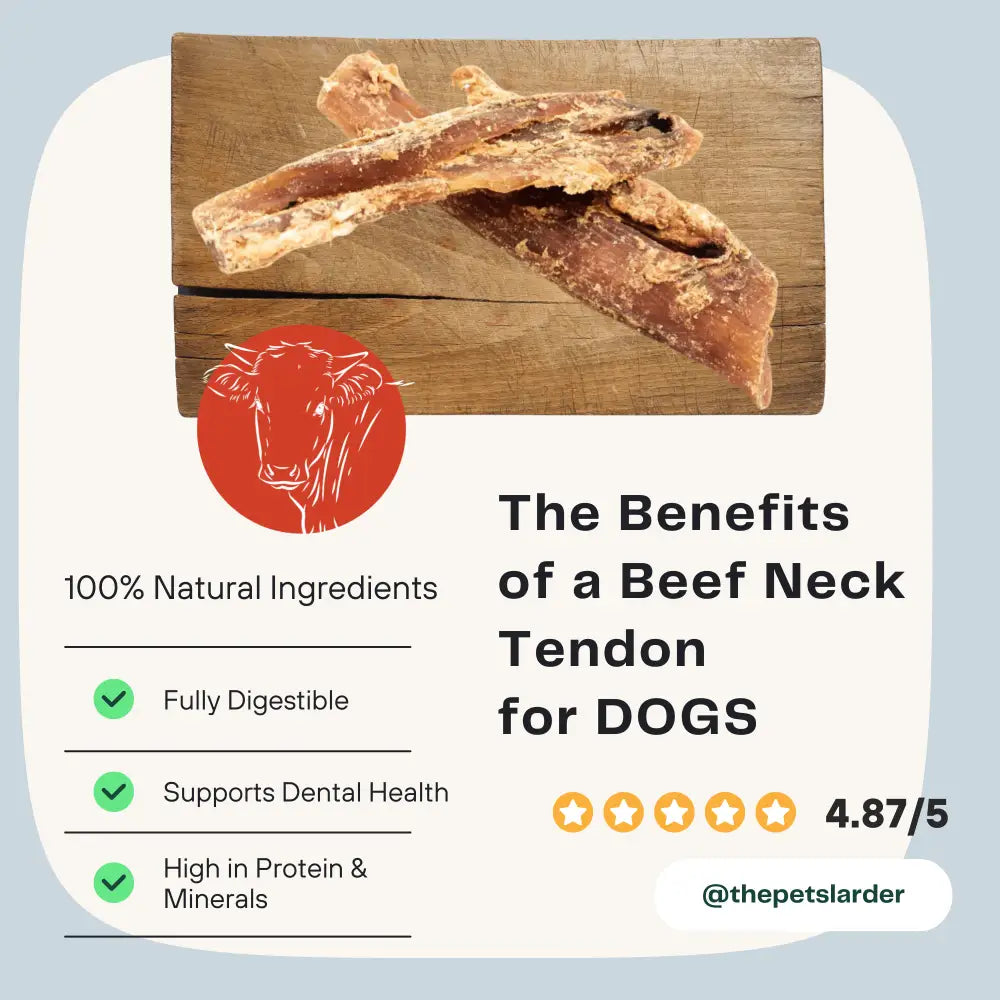
Beef Neck Tendon Natural Meat Chew For Dogs
Choose your option
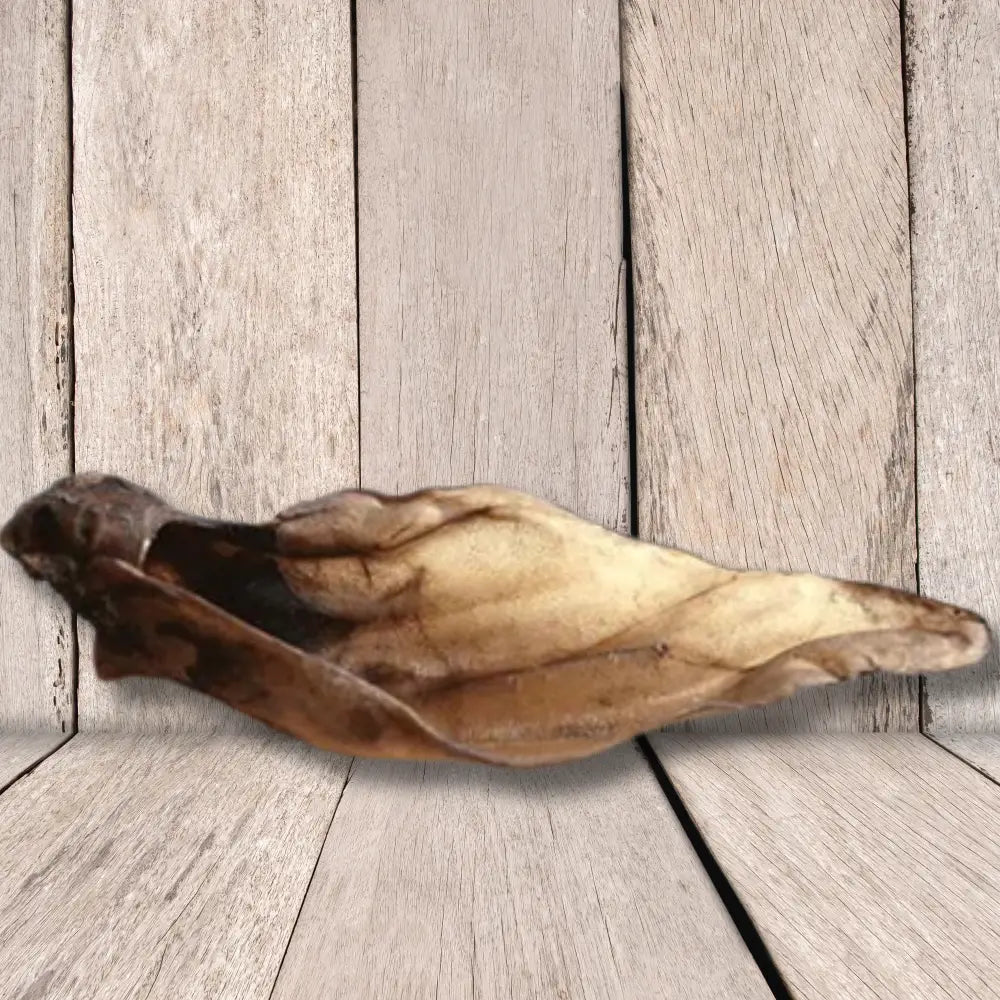
JR Pet Products Cows Ears XL
Choose your option
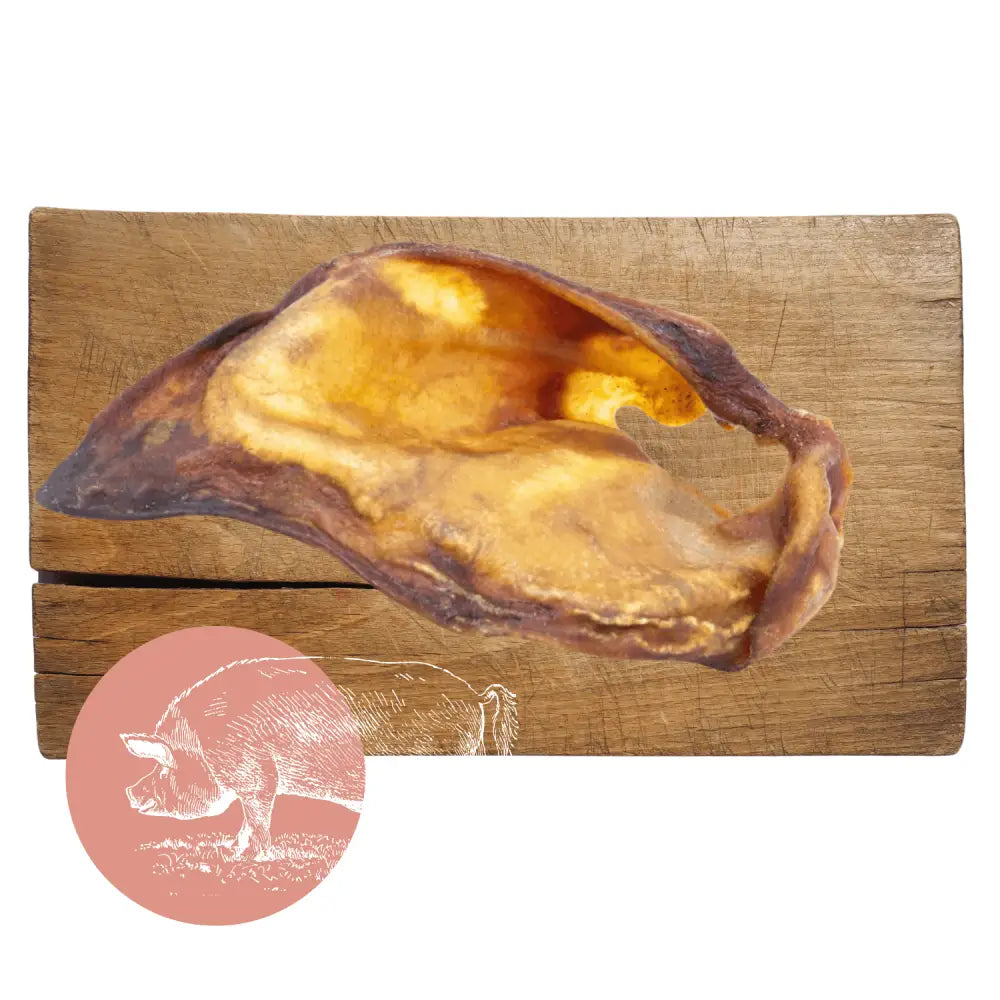

Pig Ear Natural Meat Chew For Dogs
Choose your option
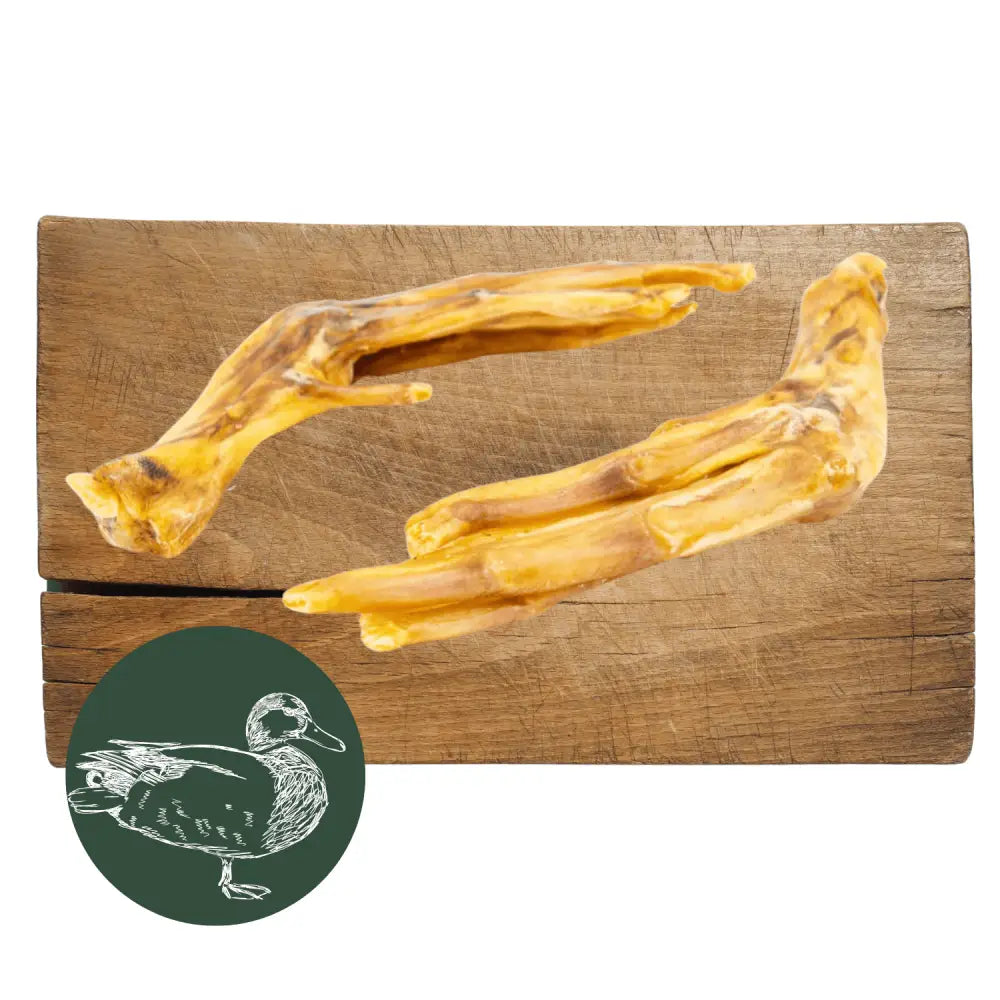
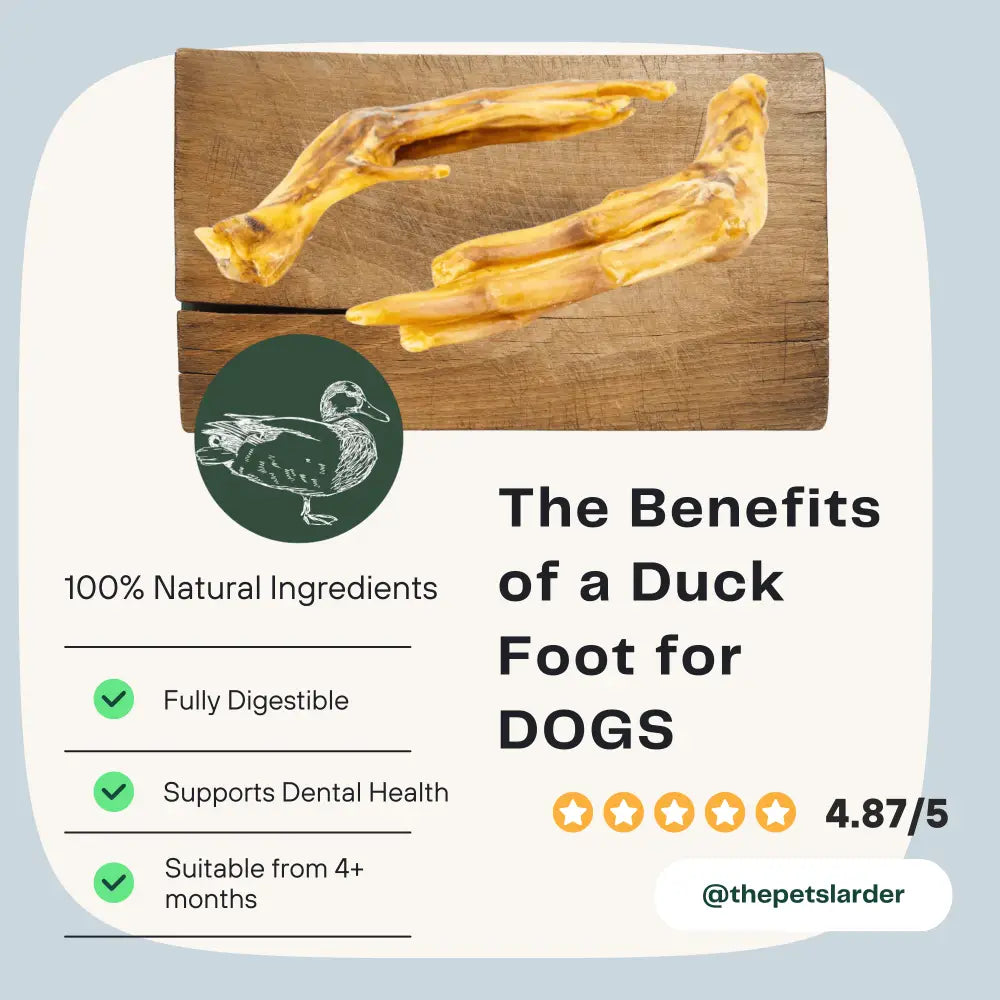
Duck Feet Natural Dog Chew
Choose your option
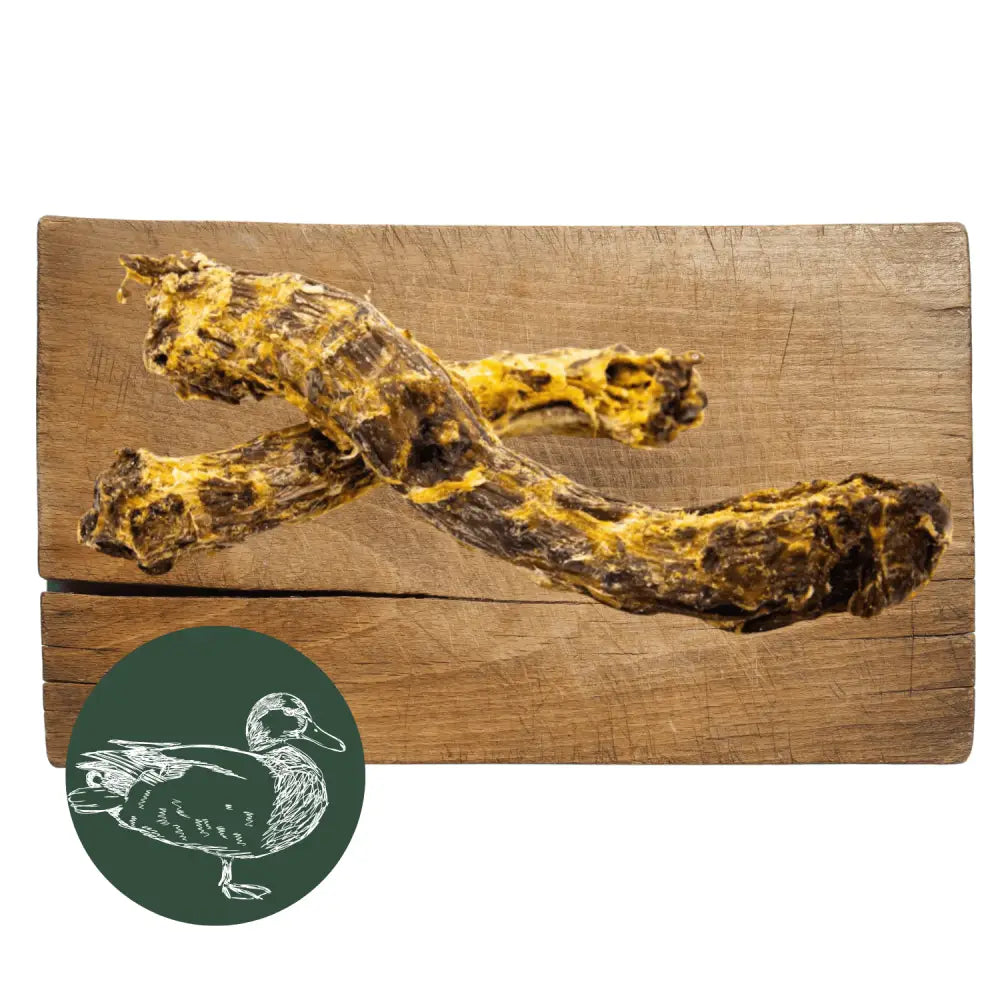
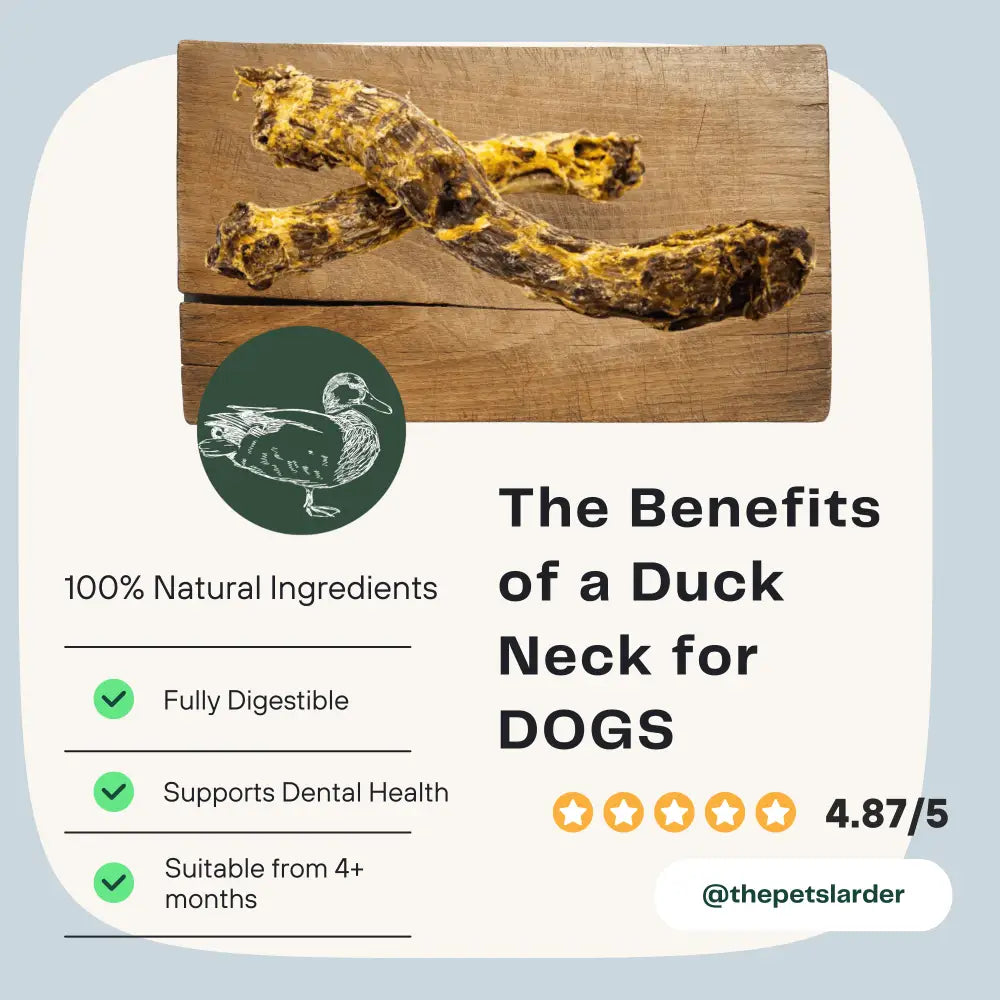
Duck Neck Natural Meat Chew For Dogs
Choose your option
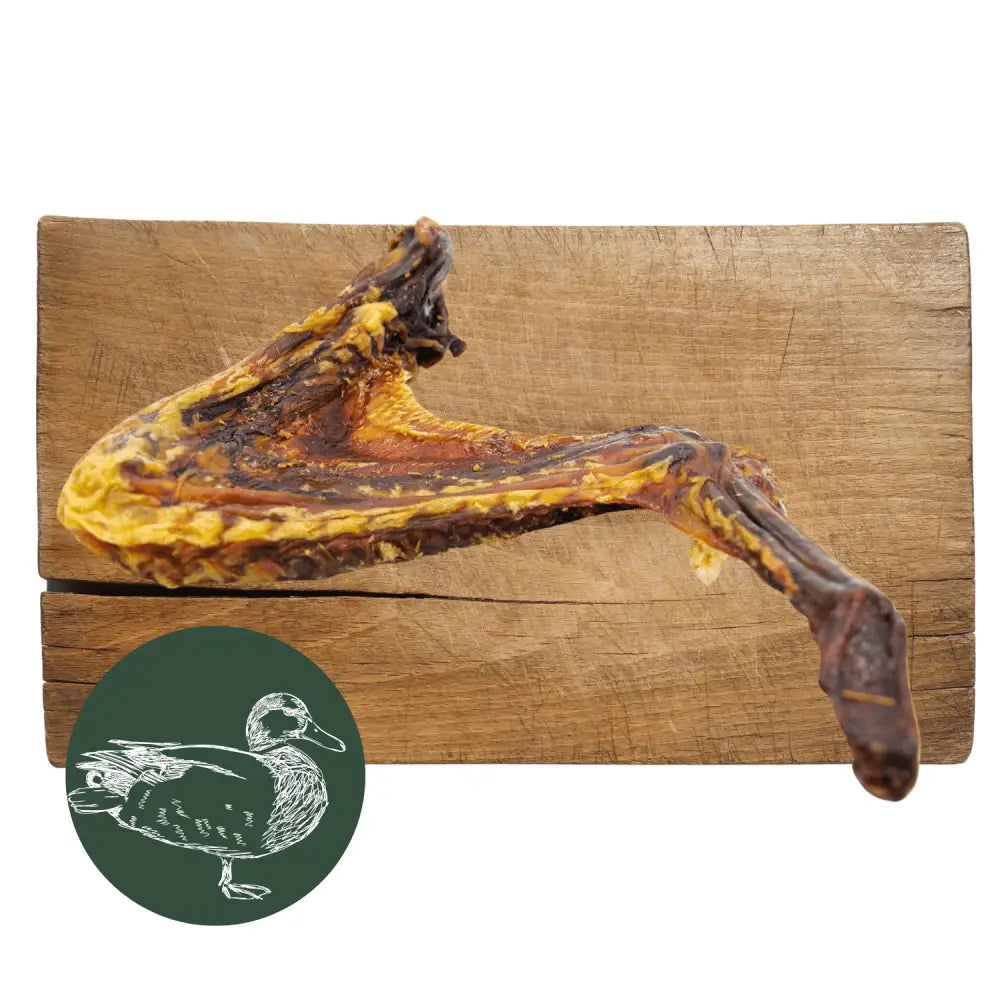
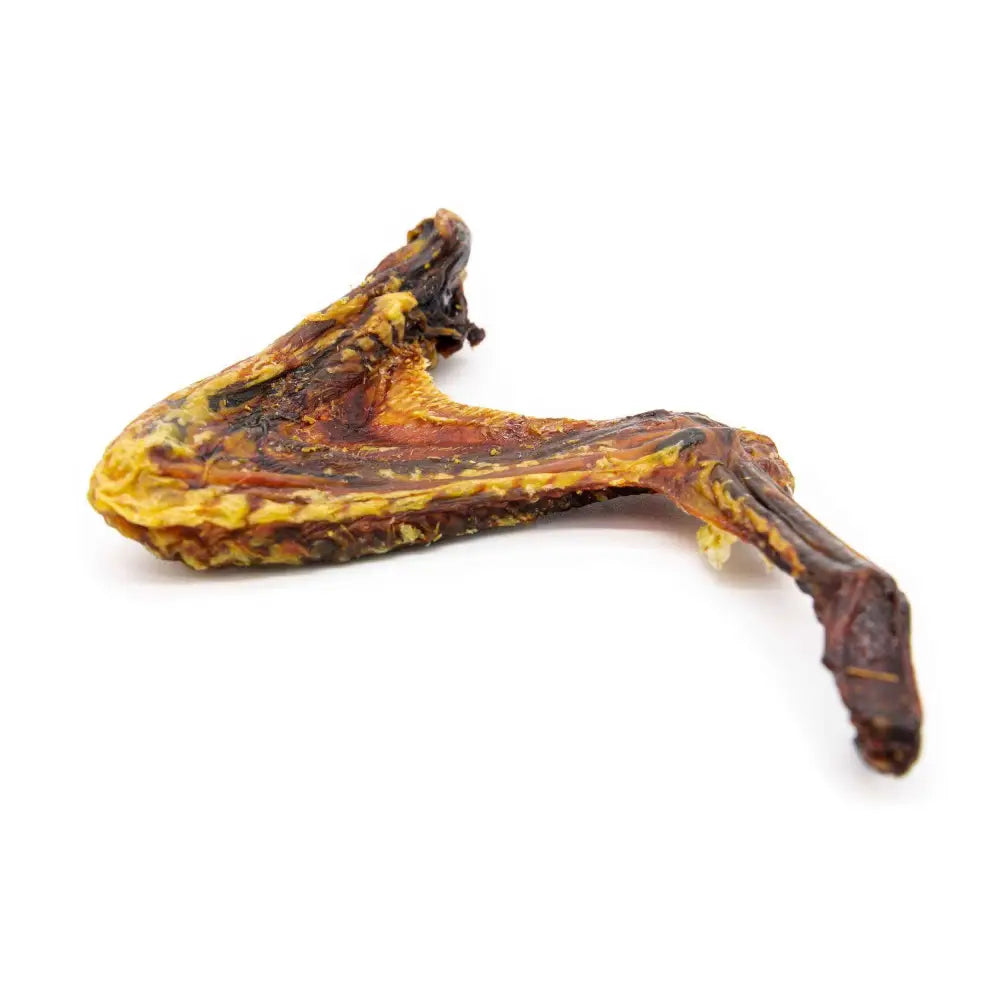
Duck Wing Natural Meat Chew For Dogs
Choose your option
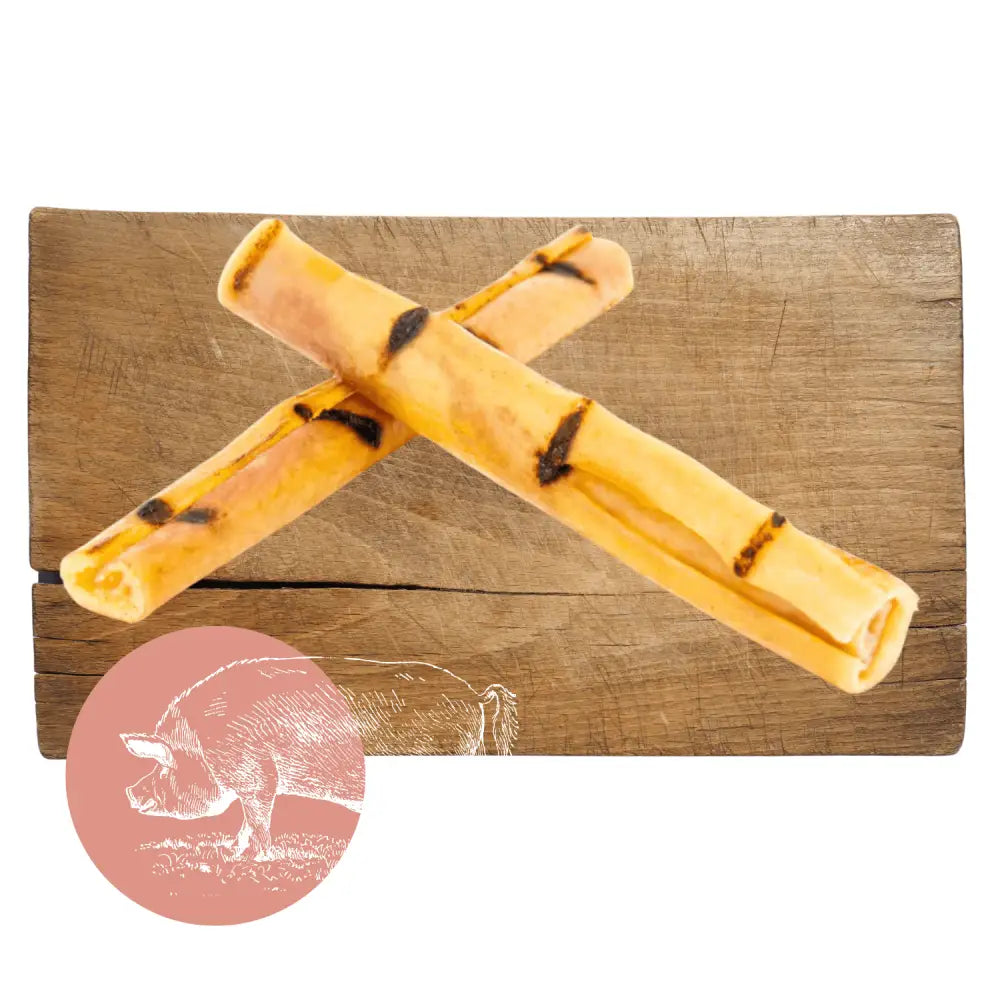
Pork Crackling Stick Natural Meat Chew For Dogs
Choose your option
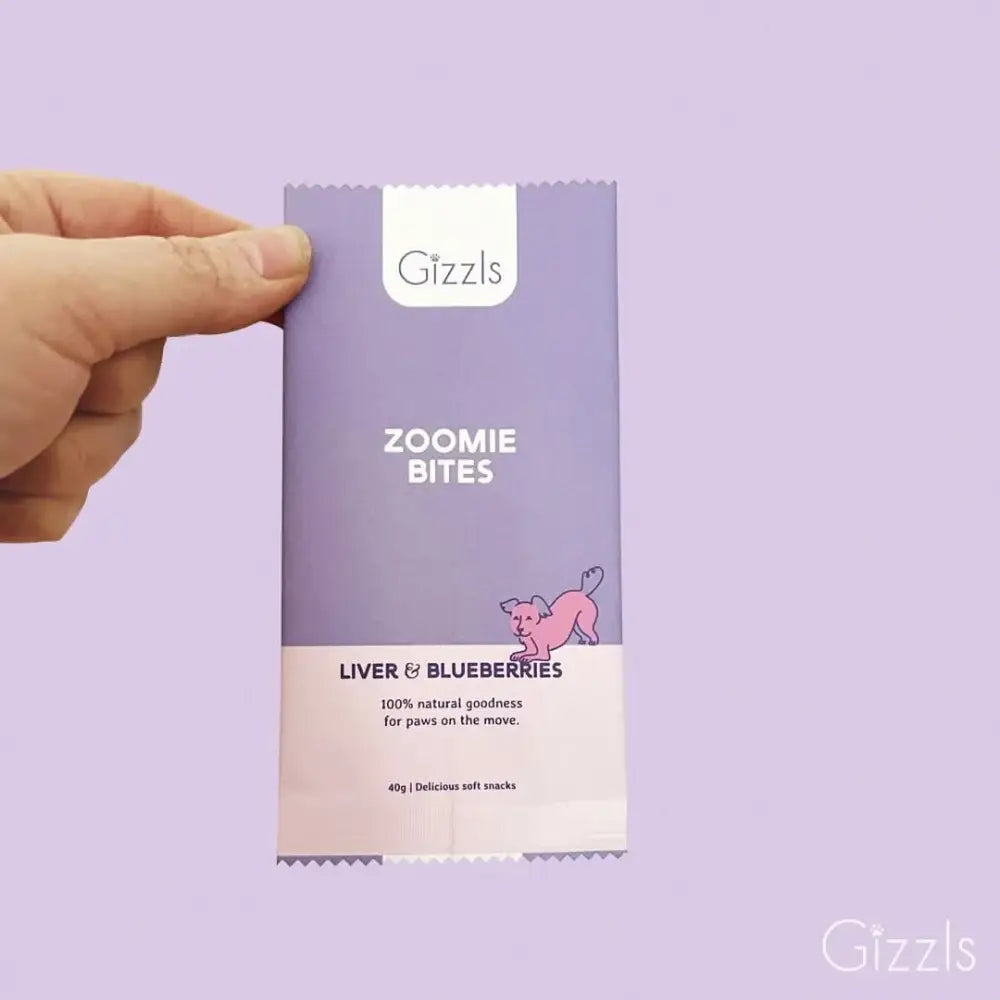
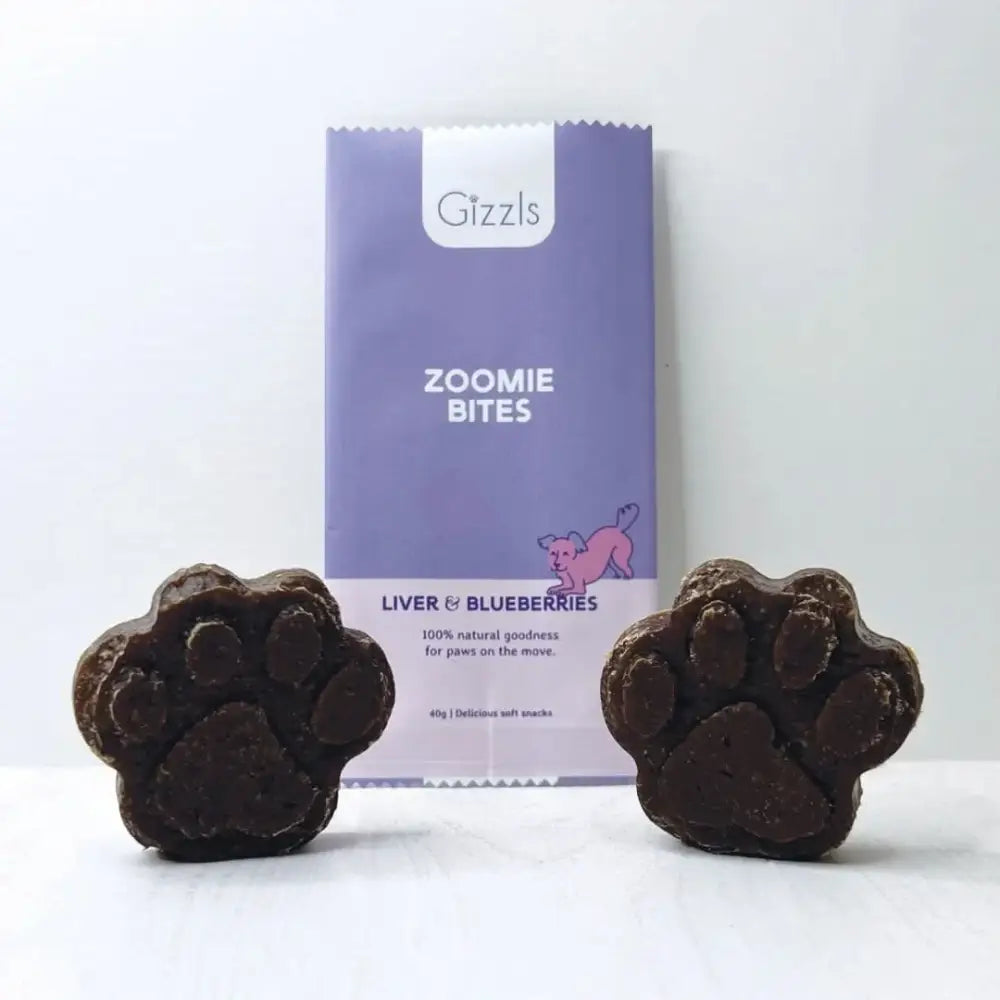
Gizzls Zoomie Bites Dog Treats – the Purple One
Choose your option
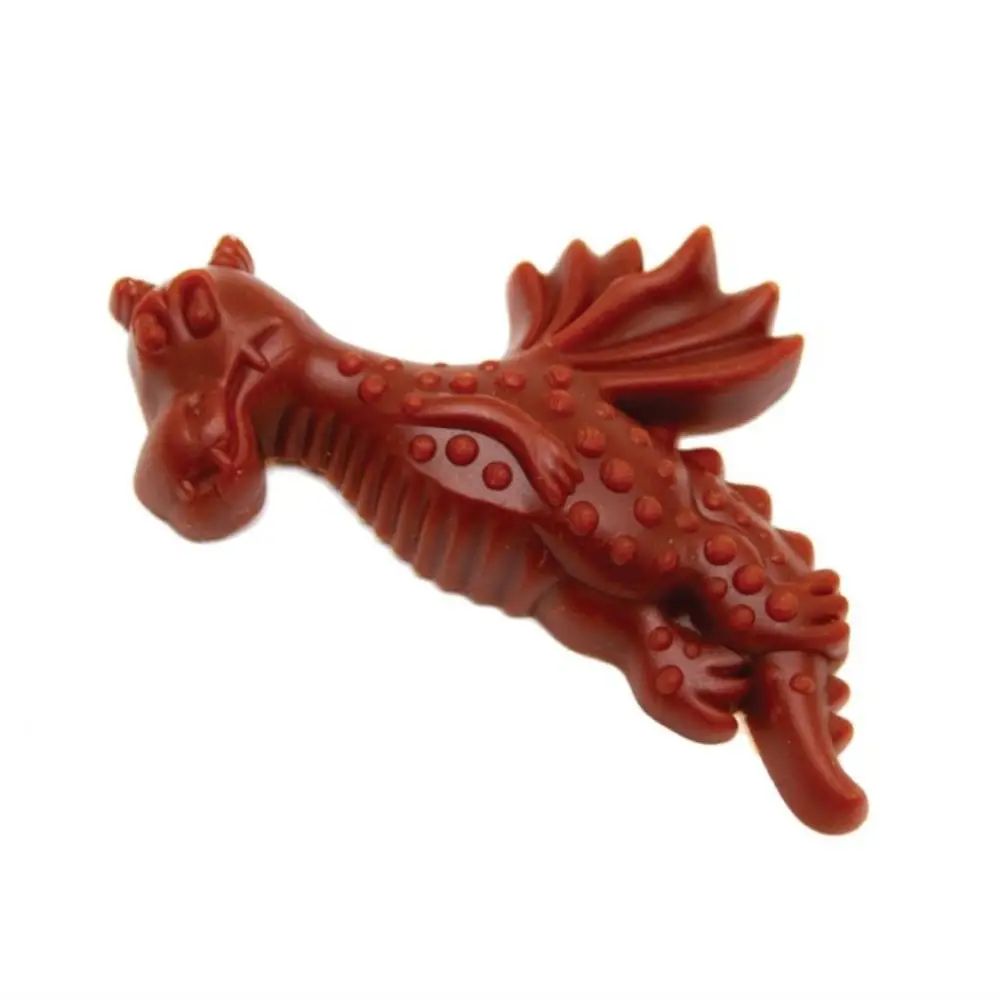
Choods Dragon Treat for Dogs - Sweet Potato, Carrot & Paprika
Choose your option
Choosing the right natural chew for your dog
Chews aren't food and they aren't quite treats. They're enrichment — for occupation, mental stimulation, dental health, and to satisfy the deep biological drive most dogs have to use their teeth. A good chew can settle an anxious dog, occupy a bored one, and meaningfully improve dental hygiene over time. A bad one can damage teeth, cause digestive upset, or pose a choking risk.
The choice depends on your dog's size, chewing style, age, and what you're using the chew for. There is no single "best" chew — but there are a handful of categories, each with its own purpose.
The five types of natural chew, and when to use each

Air-dried meat chews
Bull pizzle, beef trachea, lamb necks, rabbit ears, cow ears. Single-ingredient protein, naturally dried, soft enough for most dogs but firm enough to last 20–60 minutes. The everyday workhorse of natural chewing — affordable, digestible, and suitable for most adult dogs without supervision concerns.

Fish skin chews
Whitefish skin twists, cod skins, fish fingers. High in omega-3 fatty acids, very palatable, naturally support skin and coat health. They're softer than meat chews and break down faster, which makes them better for puppies, seniors, and dogs with weaker teeth.

Bones and antlers
Ostrich bones, beef shins, naturally shed antlers. The hardest category — long-lasting, dental-effective, and intensely satisfying to a strong chewer. Also the highest-risk: hard chews can fracture teeth in aggressive chewers, and bone fragments can cause internal injury if swallowed in chunks. Best for dogs with calm chewing styles, used under supervision, replaced before they become small enough to swallow.

Vegetable chews
Sweet potato chews, root chews, pets larder fruit and vegetable chews. Lower-calorie, suitable for dogs on weight management, and a good option for dogs who can't tolerate animal proteins. They don't last as long as meat or bone chews and don't have the same dental benefit.
How to match a chew to your dog

By size:
A chew should be too big for your dog to swallow whole, even when it's been worked down to a smaller size. Toy and small breeds need small or medium chews; medium and large breeds need large; giant breeds need extra-large or whole pieces (whole bull pizzles, large ostrich bones).

By chewing style:
Some dogs gnaw slowly and contemplatively. Others attack a chew aggressively, trying to demolish it as fast as possible. Aggressive chewers need harder, longer-lasting options or supervision with anything they can break apart. Slow chewers can be given softer options.

By purpose:
For dental health, choose harder chews with mechanical friction (antlers, bones, dense meat chews). For settling and occupation, choose longer-lasting options (bull pizzle, beef trachea). For training rewards, smaller chews work better. For dogs prone to fast eating, longer chews slow them down.

By age:
Puppies need softer chews to protect developing teeth — fish skins, soft meat chews. Adults can handle the full range. Seniors often need to return to softer options as teeth weaken or wear.
Supervision and safety
Always supervise dogs with a new chew until you know how they handle it. Replace any chew that's been worn down to a size your dog could swallow. Bones and antlers should be used with extra caution by aggressive chewers. If your dog has a history of dental issues, avoid the hardest categories entirely. When in doubt, ask us — we can usually point you to the right option for your specific dog.
Frequently asked questions
Why is rawhide bad for dogs?
Rawhide is a by-product of the leather industry, chemically treated with bleaches, lyes, and preservatives during processing. It's not actually a natural chew despite its appearance. Three specific risks: it can swell significantly in the stomach when swallowed, it's a major choking hazard when chewed down to smaller pieces, and the chemicals used to treat it have raised welfare concerns in countries with limited oversight. Dogs love rawhide because it lasts a long time, but there are far better single-ingredient alternatives that achieve the same thing without the risks.
How long should a natural chew last?
It depends on the chew, the dog's size, and their chewing style. As rough guidance: rabbit ears and small fish skins last 5–15 minutes, cow ears and small bull pizzle 20–40 minutes, large bull pizzle and beef trachea 40–90 minutes, ostrich bones and antlers can last days or weeks for slow chewers. If a chew lasts under five minutes for your dog, it's too small. If it lasts so long that it becomes a small swallow-sized piece, replace it before it gets there.
Can puppies have natural chews?
Yes, but choose carefully. Puppies have softer teeth and developing jaws, so avoid the hardest categories — antlers, ostrich bones, and dense bone chews can damage developing teeth. Good puppy options include: fish skins (soft and high in omega-3 for skin and coat), rabbit ears, soft cow ears, and small air-dried meat chews. Always supervise puppies with new chews and replace anything they break into smaller pieces. Chewing is genuinely important for puppy development — it relieves teething pain and satisfies a fundamental biological need — so don't avoid chews entirely, just choose age-appropriate ones.
How do natural chews help with dental health?
Mechanical friction. When a dog chews on something with the right firmness, the surface scrapes against their teeth and helps remove plaque before it hardens into tartar. The harder and longer-lasting the chew, the more dental benefit — antlers, bones, and dense meat chews are most effective. Soft chews and treats provide less mechanical scrubbing. Natural chews aren't a replacement for veterinary dental care, but regular use can meaningfully reduce plaque buildup over time, particularly for dogs that don't tolerate teeth brushing.
Are bones and antlers safe for dogs?
They can be, but they require more care than softer chews. The risk with hard chews is fractured teeth in aggressive chewers, and bone fragments if a dog manages to break off a sharp piece. Use bones and antlers only with calm chewers, never with dogs known to have dental issues, and always under supervision. Choose appropriately sized pieces — too small is dangerous because of swallowing risk; too large can be frustrating. Whole raw bones (with marrow) are different from cooked bones, which should never be given. If you're unsure whether your dog is a suitable candidate for hard chews, start with a softer category and observe their chewing style first.
What are the best chews for aggressive chewers?
Aggressive chewers need long-lasting, robust chews — but with care. Good options: large bull pizzle (very long-lasting, fully digestible), beef trachea, lamb necks, large ostrich bones, and antlers used under supervision. Avoid splintering options like cooked bones and any soft chews that will be demolished in minutes and either swallowed in chunks or wasted. The general rule: an aggressive chewer needs a chew that's bigger and tougher than you'd give a calm chewer of the same size. Our team can recommend specific products if you tell us how your dog typically destroys their chews.
How often can my dog have a chew?
Daily is fine for most adult dogs, provided you account for the calories. A bull pizzle stick or beef trachea is around 80–150 kcal depending on size — for a medium dog, that's a meaningful proportion of daily intake. Reduce food portions slightly if you're giving a substantial chew daily. For high-calorie chews like fish skins, watch the cumulative effect across a week. Smaller, lighter chews (rabbit ears, vegetable chews) can be given more freely. The exception is bones and antlers, which provide minimal calories but should be limited based on tooth wear rather than energy intake.


