



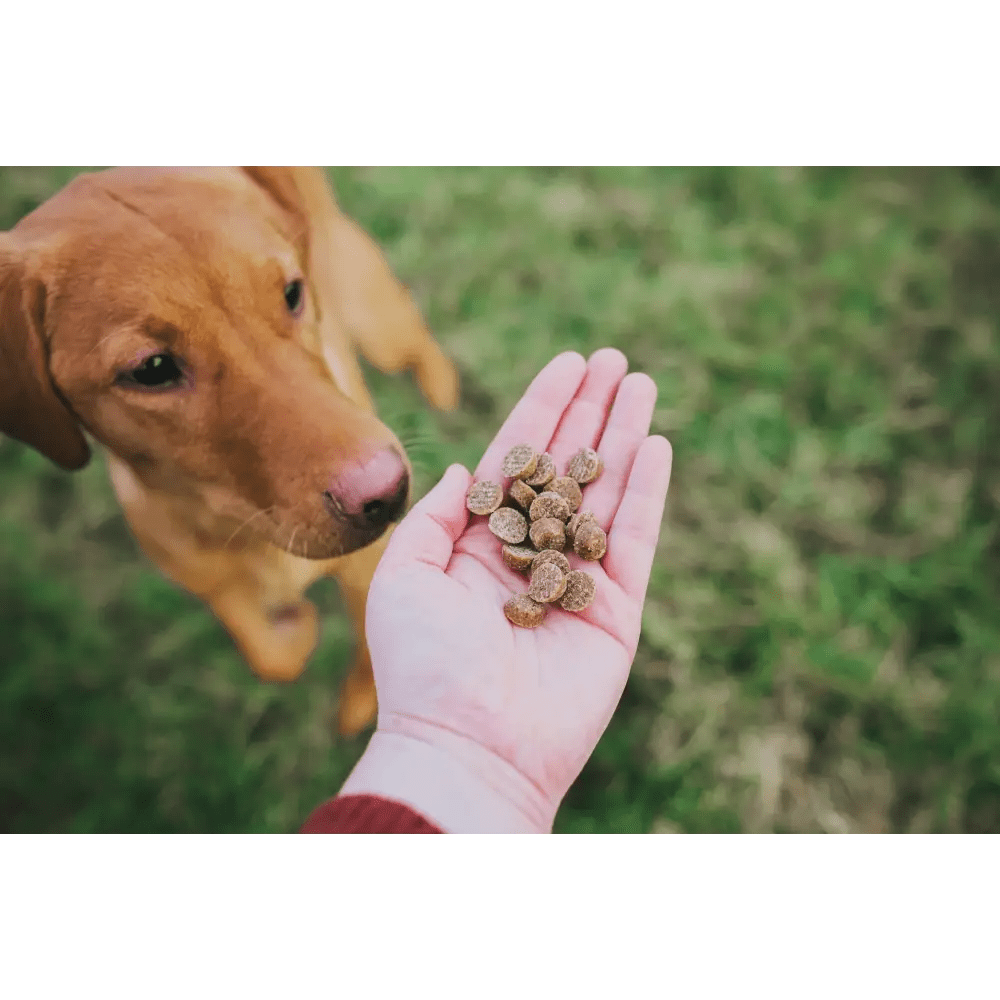
After a decade working with dogs, I’ve got pretty good at spotting the difference between a dog who is surviving and a dog who is genuinely thriving.
The difference isn’t always obvious. It doesn’t shout at you. It shows up in the dullness of a coat, the way a dog moves, the shine (or lack of it) in their eyes. And once you know what you’re looking for, you start to see it everywhere.
The good news: most of these signs are reversible. And they almost always come back to the same place — what’s in the bowl.
A note before we start: This article is about the everyday, gradual signs of a dog not thriving — not acute illness. If your dog is vomiting, lethargic, or showing sudden behavioural changes, always see your vet first.
The 10 Signs I Look For
A Coat That Doesn’t Shine
A healthy dog should have a coat with a natural lustre — soft, smooth, and faintly gleaming in the light. A dull, brittle, or dry coat is one of the first things I notice, and it’s one of the most reliable early indicators that something’s off nutritionally.
Omega-3 and Omega-6 fatty acids are the key players here. They’re not produced naturally by a dog’s body, which means they have to come from the diet. Grain-heavy food is often low in these essential fats.
Persistent Itching or Flaky Skin
The occasional scratch is normal. But if your dog is itching constantly — particularly around the paws, ears, belly, or base of the tail — that’s inflammation, and inflammation in dogs is almost always linked to diet.
Grain, wheat, and artificial additives are the most common dietary triggers for skin reactions. Many owners spend years treating the symptom (itching) rather than the cause (what’s in the food).
Low Energy for Their Age
Every dog has their own personality and energy level. But when a young or middle-aged dog seems consistently flat — reluctant to play, slow on walks, not engaged with the world — that’s a signal worth paying attention to.
Carbohydrate-heavy diets produce a quick energy spike followed by a crash. A diet high in quality animal protein and healthy fats provides sustained, stable energy throughout the day.
Soft, Inconsistent, or Smelly Stools
It’s not the most glamorous topic, but stool quality is one of the most reliable windows into a dog’s digestive health. A healthy dog should produce firm, well-formed stools that are easy to pick up. Soft, sloppy, or very smelly stools are a sign the gut isn’t processing food efficiently.
Grains and fillers are hard for dogs to digest — their digestive systems evolved for meat, not cereals. High fibre from inappropriate sources also speeds gut transit, meaning nutrients aren’t absorbed properly.
Surviving looks like: eating, sleeping, going for walks. Ticking the boxes. Thriving looks like something different — and once you’ve seen it, you can’t unsee it
Recurring Ear Infections
If your dog has had two or more ear infections in a year, dietary inflammation is the most likely underlying cause — not bad luck. Chronic ear issues are one of the classic presentations of a food intolerance, particularly to grain or dairy.
Vets will treat the infection (rightly so), but without addressing the root cause, it tends to keep coming back.
Bad Breath Beyond the Usual
Dog breath is never going to smell fresh, but truly unpleasant, persistent bad breath — beyond the normal ‘dog smell’ — is often a sign of poor gut health, poor dental health, or both.
Soft, grain-heavy food sticks to teeth and gums, encouraging plaque and bacteria. Natural chews and dental treats work mechanically to clean the teeth; the diet itself can also influence the microbial environment in the gut, which affects breath.
Eyes That Lack Brightness
Bright, clear, engaged eyes are one of the most immediate indicators of a thriving dog. Runny, cloudy, or dull eyes — especially in younger dogs — can reflect nutritional deficiencies or ongoing low-grade inflammation.
Vitamin A (found in high quantities in oily fish and quality meat) plays a direct role in vision and eye health. Omega-3 fatty acids also support the cellular health of eye tissue.
Excessive Shedding
All dogs shed — it’s completely normal. But excessive, year-round shedding that leaves your furniture covered is often linked to nutritional gaps, particularly in essential fatty acids, zinc, and B vitamins.
These nutrients are all present in high-quality, natural dog food. In cheap, grain-heavy food, they’re frequently the first casualties.
Stiff Movement, Especially After Rest
Dogs shouldn’t look stiff and reluctant first thing in the morning — at least not until they’re well into their senior years. Premature stiffness and joint issues are increasingly common in dogs eating inflammatory, grain-heavy diets.
Omega-3 fatty acids are natural anti-inflammatories. A diet chronically low in them, combined with the low-grade systemic inflammation that poor nutrition causes, creates the conditions for joint problems to develop early.
Anxiety, Restlessness, or Reactive Behaviour
This one surprises people. But gut health and brain health are deeply connected — the gut-brain axis is well established in human science, and the same principles apply in dogs. A poorly nourished gut can genuinely affect mood, stress response, and behaviour.
Additionally, blood sugar spikes and crashes caused by carbohydrate-heavy food can make dogs more reactive and harder to settle. I’ve seen dogs with anxiety issues improve significantly after a dietary change — sometimes more than with any other intervention.
What To Do Next
The encouraging thing about all of these signs is that most are diet-related, and diet is something you can change. You don’t need a vet referral. You don’t need expensive testing. You need to look carefully at what’s in the bowl — and ask whether it’s actually giving your dog what they need.
Here’s what I always recommend as a starting point:
Read the ingredient list. The first ingredient should be a named meat. You shouldn’t see ‘meat derivatives’, ‘cereals’, or a list of things you can’t pronounce high up the list.
Go grain-free. Not because grains are evil, but because for most dogs with any of the above signs, removing grain removes the most common dietary irritant and gives you a clean baseline.
Give it time. A dietary change takes 4–8 weeks to show results. The gut needs time to adjust and heal. Don’t give up after two weeks because the coat hasn’t changed yet.
Look at the whole picture. Food is the foundation, but quality natural treats, chews, and targeted supplements can address specific issues more directly.
Not sure where to start?
Everything at The Pets Larder is chosen because it passed our own dogs first. Natural, grain-free, and dispatched from Cornwall with carbon-neutral shipping.
SHOP NATURAL DOG FOOD →A Final Word
I started The Pets Larder because I spent years feeding my own dogs food that I later realised wasn’t good enough — not because it was harmful, but because it wasn’t letting them be everything they could be.
The transformation I saw when I switched to natural, grain-free nutrition is the reason this whole business exists. Shinier coats. Better digestion. Real energy. Brighter eyes. It’s not magic — it’s just the right food.
Your dog deserves to thrive. And they can. 🐾


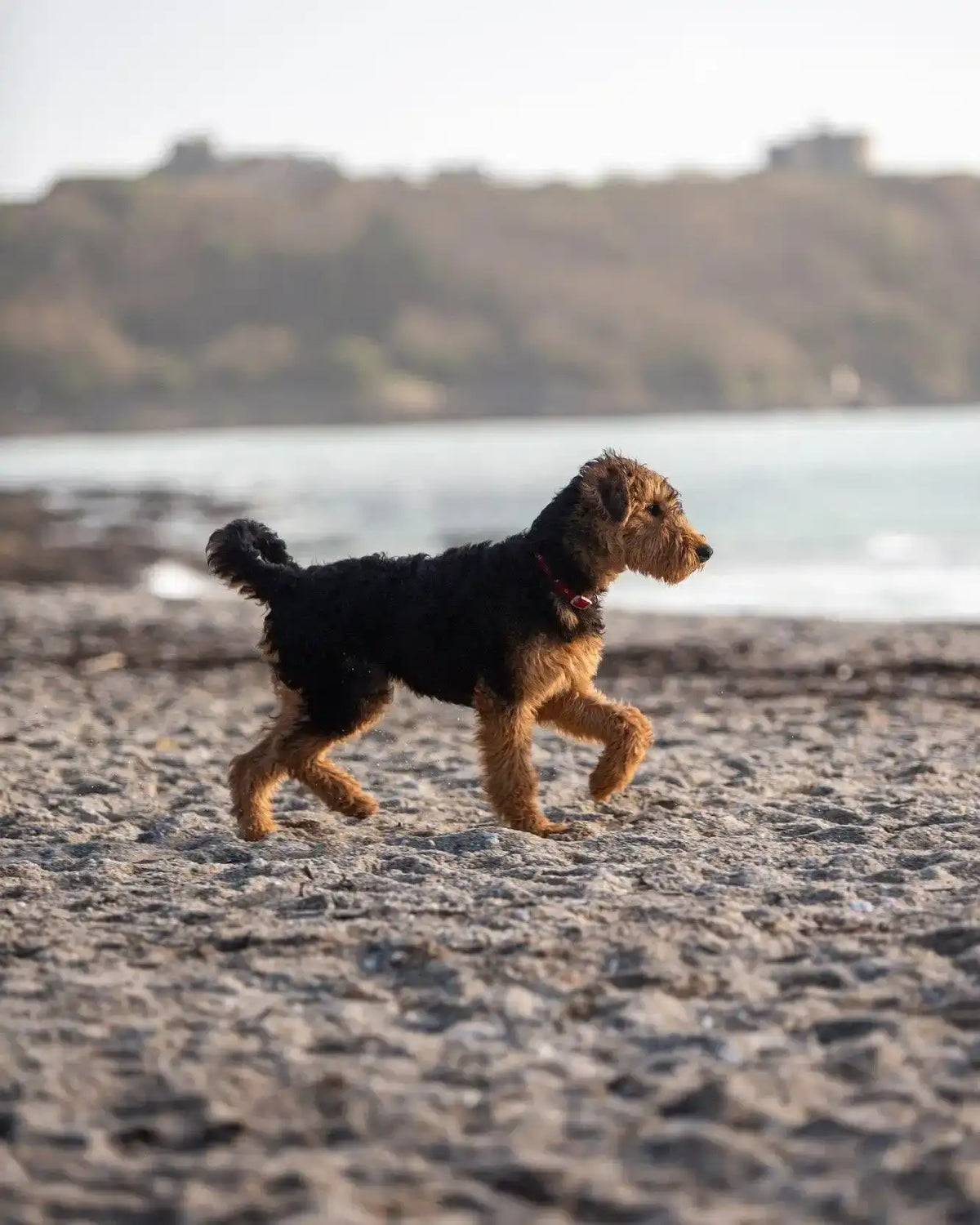


Does your dog show any of these signs?
Leave a comment below — what’s the one thing you’ve noticed in your dog that made you look more closely at their food? We read every comment and love hearing from the pack.