





What does your dog need today?
Every product we stock was chosen to solve a real problem — the ones we've seen in our own dogs.


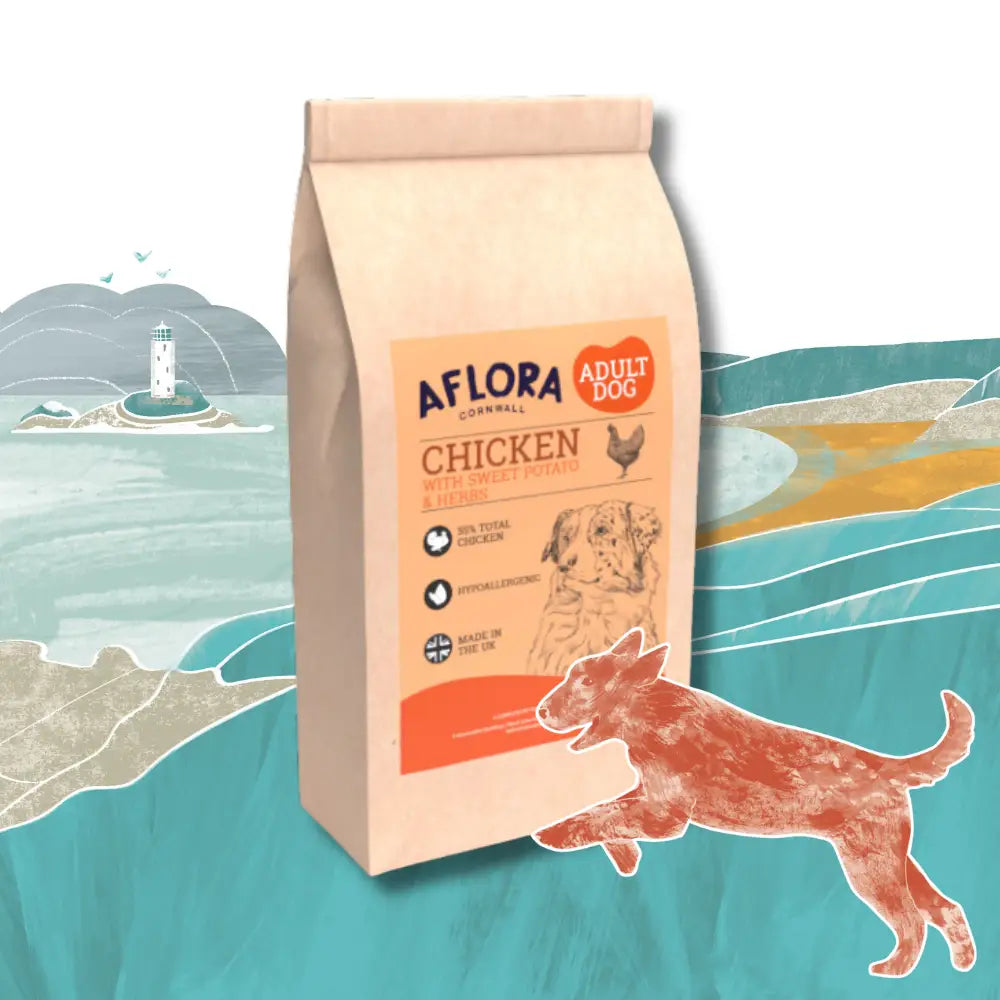
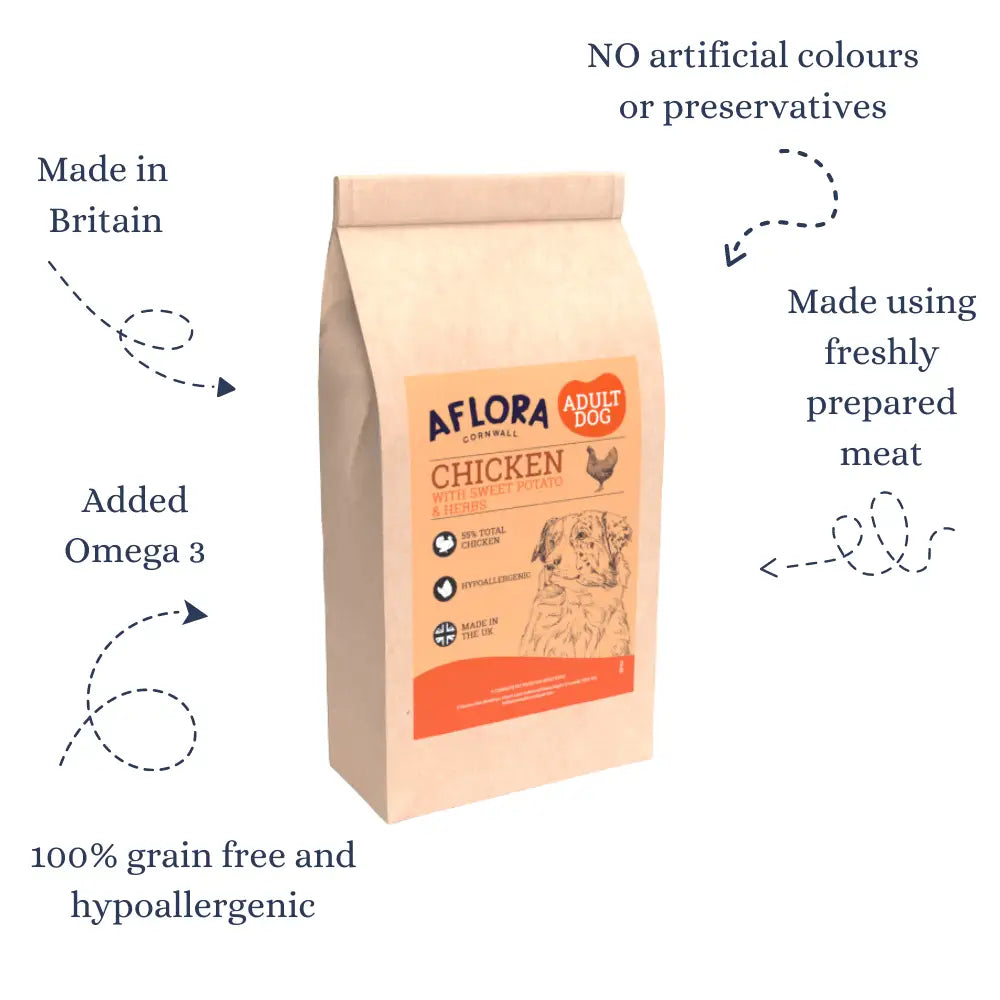
The Pets Larder Own Label
Aflora & Evie
Our own-label pet food — made in the UK, sold direct. No middleman. No markup. Just named ingredients, honest sourcing, and the best value we can offer without cutting corners on what goes in the bag.


Natural Cornish Dog Treats
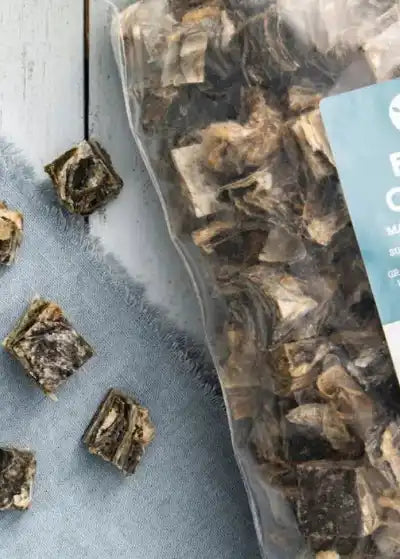


Natural Cornish Whitefish Fingers
Choose your option
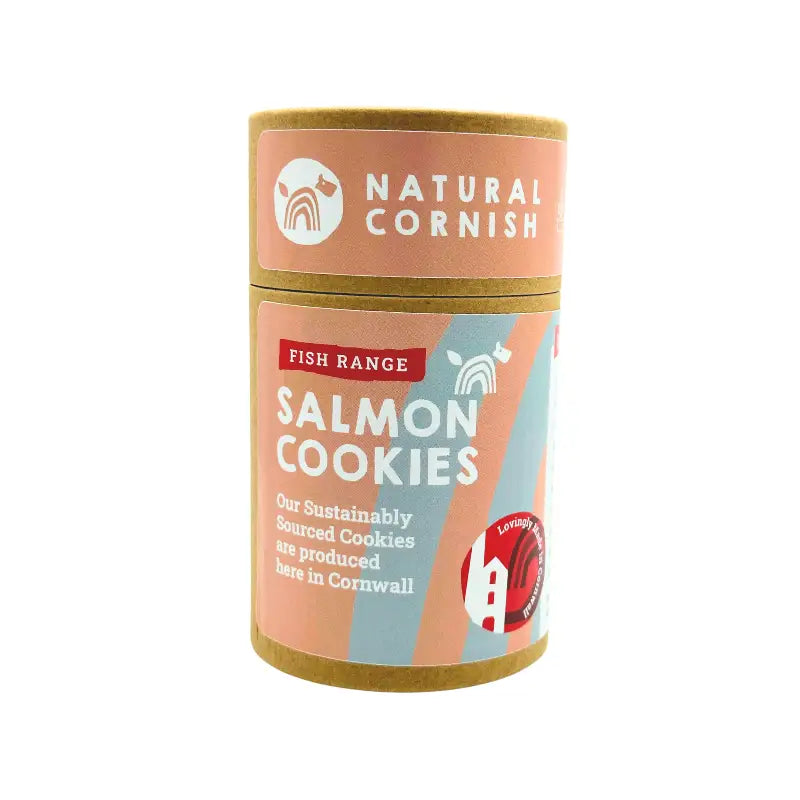
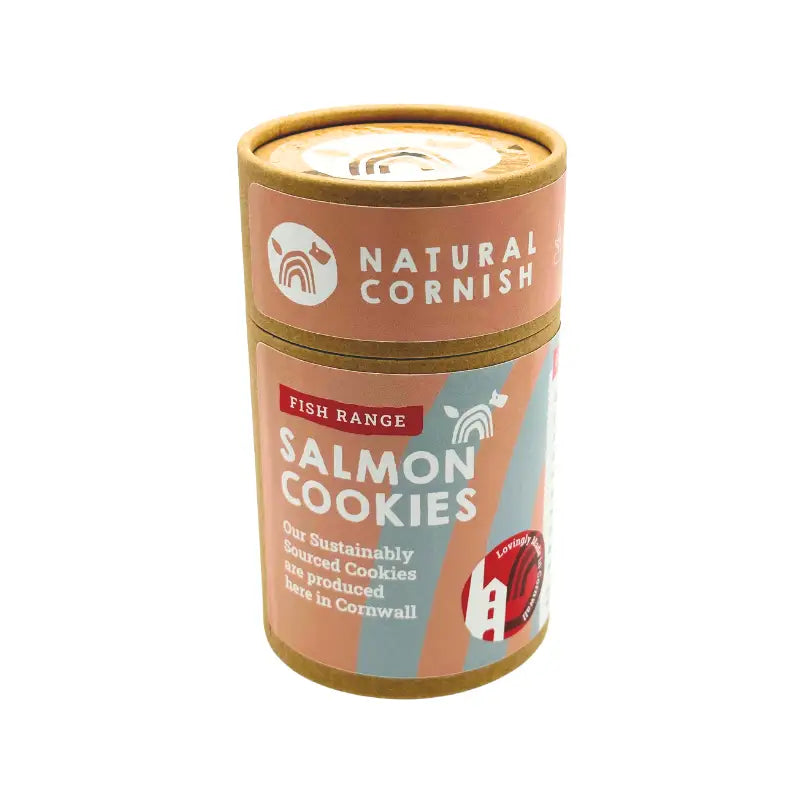
Natural Cornish Salmon & Potato Cookies
Choose your option

Whitefish Cubes For Dogs
Choose your option


Natural Cornish Whitefish & Potato Cookies
Choose your option
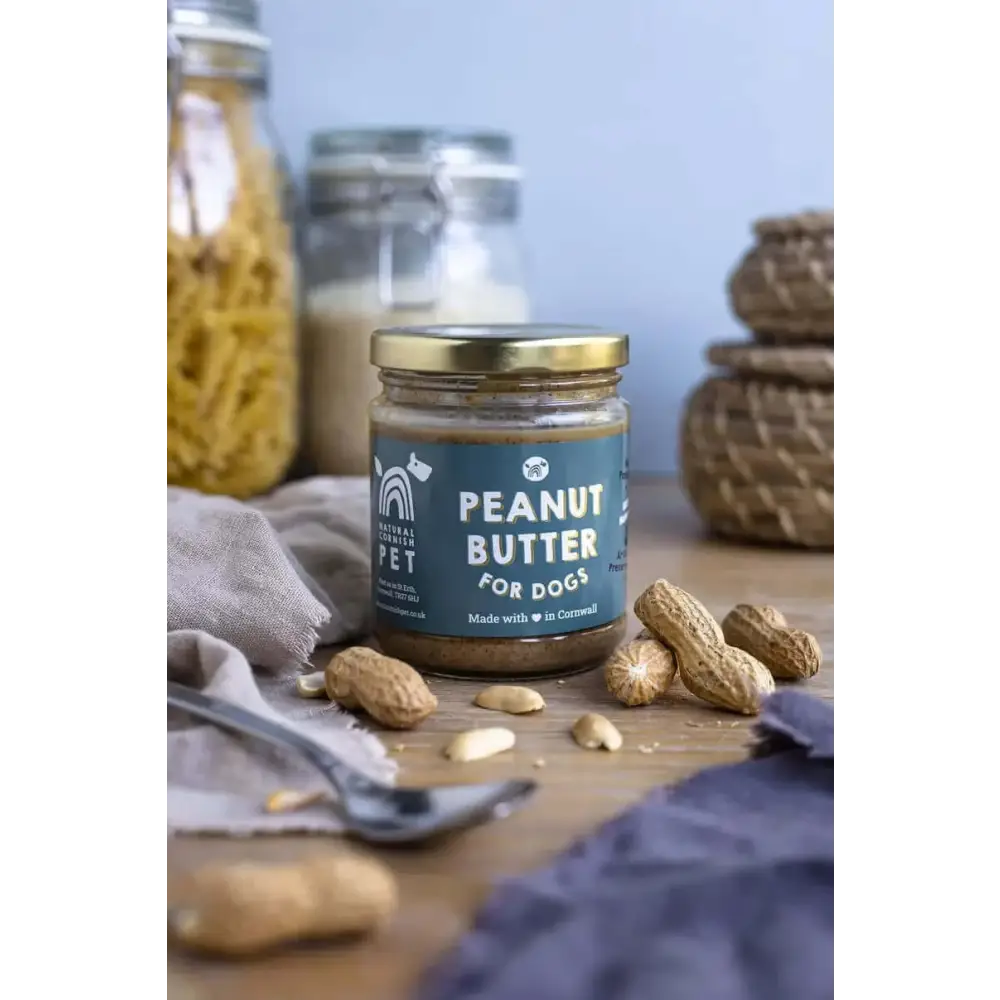
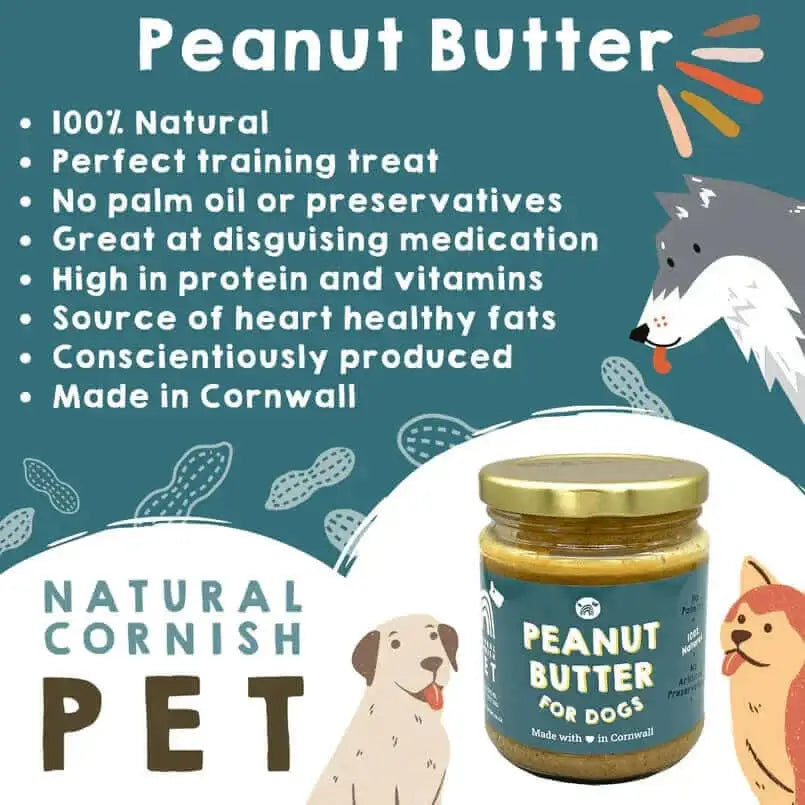
Natural Cornish Pet Cornish Peanut Butter for Dogs
Choose your option
Stay Social Shop The Feeds













Why shop with the Pets Larder Natural Pet Shop?

You can feel good about every order.
From compostable packaging to eco-friendly deliveries, we tread lightly on the planet. Every pawprint matters.

A proper pet shop, run by people who get it.
We're a small, female-led team based in Hayle, Cornwall. We started because we couldn't find good enough food for our own dogs. That stubbornness hasn't left us.

We've tried everything we sell.
Our team has a background in nutrition, behaviour, breeding, and rescue. If it's on our shelves, it's because it passed our own dogs first — not a marketing brief.

Rooted in Community, Walking Together
From supporting local rescues to hosting group dog walks, we’re more than a pet shop — we’re part of the pack.
Discover Our Journal

Easter and Dogs: What's Safe, What's Dangerous, and How to Treat Them Properly
Every Easter, emergency veterinary call volumes surge. The cause is almost always the same: a dog that got into the chocolate eggs, a hot cross bun left on the counter, or an Easter basket left on the floor. The Animal Poison Line (01202 509000) — the UK's 24-hour animal poison helpline — fields thousands of calls over the Easter weekend, and the majority involve one of four foods we cover in this guide. Most of those visits are preventable. Not because dog owners don't care, but because the specific dangers aren't always understood. This guide covers exactly what is harmful and why, what is genuinely safe, and — because your dog absolutely deserves an Easter — the natural treats that work best. The four Easter foods that are genuinely dangerous 1. Chocolate — the most urgent Chocolate is acutely toxic to dogs. The mechanism is well-established in veterinary toxicology: chocolate contains theobromine (a methylxanthine alkaloid) and caffeine, both of which dogs metabolise far more slowly than humans. According to the Merck Veterinary Manual, the half-life of theobromine in dogs is 17.5 hours — meaning a dose that a human clears in a few hours can persist in a dog's system for the better part of a day. Theobromine and caffeine competitively inhibit cellular adenosine receptors, resulting in CNS stimulation, diuresis, and tachycardia, and at higher doses can cause cardiac arrhythmias and seizures. The severity depends on the type of chocolate and the size of the dog. The Merck Veterinary Manual documents the clinical thresholds clearly: mild clinical signs may occur in dogs ingesting 20 mg/kg of combined theobromine and caffeine; cardiotoxic effects occur after 40–50 mg/kg; and seizures occur after doses of 60 mg/kg or above. Theobromine content by chocolate type (approximate): Chocolate type Theobromine per 100 g Cocoa powder 2,100 mg Dark chocolate (70%+) 500–900 mg Milk chocolate 150–200 mg White chocolate Less than 1 mg To put this in practical terms: a 10 kg dog ingesting 50 g of dark chocolate could be approaching the threshold for cardiac effects. In a retrospective study of 156 chocolate ingestion cases published in the Journal of Small Animal Practice in 2021, one dog died after ingesting 100 g of dark chocolate, presenting with pronounced sinus tachycardia at 200 bpm, neurological signs, and severe hypokalaemia. A particular hazard worth noting: cocoa shell mulch, used by gardeners in spring, contains very high levels of theobromine at approximately 25 mg/g — and because it has a characteristic chocolate smell, it may be attractive to dogs but is potentially lethal. Clinical signs usually occur within 6–12 hours of ingestion. Initial signs include vomiting, diarrhoea, restlessness, and excessive thirst. These can progress to tremors, tachycardia, and seizures. Do not wait for symptoms to appear — by the time cardiac signs are visible, the window for the most effective treatment (induced emesis and activated charcoal) may have passed. If your dog has eaten chocolate: call your vet or the Animal Poison Line (01202 509000) immediately with the type of chocolate, the approximate quantity eaten, and your dog's weight. There are online theobromine calculators your vet can use. Do not attempt to induce vomiting at home unless explicitly instructed by a vet. 2. Raisins and grapes — the hot cross bun hazard Raisins are an Easter staple in hot cross buns, simnel cake, and fruit loaf — and they are one of the most acutely dangerous foods a dog can eat. Until recently, the exact mechanism of toxicity was unknown. In 2022, researchers at the ASPCA Animal Poison Control Center identified the likely culprit. Recent research has identified tartaric acid and its salt, potassium bitartrate, as the most likely cause of grape and raisin toxicity in dogs. Dogs poorly excrete organic acids because they lack the organic acid transporters that other species have, allowing tartaric acid to accumulate in the proximal renal tubular cells. The result is acute kidney injury — sometimes within 24–72 hours of ingestion. Dr. Colette Wegenast, senior consulting veterinarian in clinical toxicology at the ASPCA Animal Poison Control Center, described the breakthrough: "The lightbulb moment came with the realisation that tartaric acid and potassium bitartrate are uniquely present in high concentrations in grapes, and that dogs are a species that has been shown to be sensitive to tartaric acid — with acute renal failure reported in the older studies." This discovery also explains why cream of tartar — a common baking ingredient — carries the same risk, and why dogs that have eaten homemade playdough made with cream of tartar have developed identical kidney lesions to grape toxicity cases. The concentration of tartaric acid in a grape or associated fruit varies with ripeness, and because tartaric acid content can vary widely and sensitivity differs between dogs, the exact toxic dose is not known. In general, more than one grape or raisin per 4.5 kg of body weight may contain enough tartaric acid to pose a risk. Easter foods containing raisins or grapes to watch for: Hot cross buns Simnel cake Fruit cake and bara brith Wine gums and grape-flavoured confectionery Grapes on a cheese board Any homemade Easter baking containing dried fruit Symptoms may take 6–24 hours to appear: vomiting, lethargy, loss of appetite, abdominal pain, and reduced urination. By the time kidney damage shows on bloodwork, the treatment window has narrowed considerably. Dogs that progress to decreased or absent urine production often have a poorer prognosis; dogs that receive prompt decontamination before symptoms develop often do very well. This is always a veterinary emergency — even for a single raisin in a small dog. 3. Xylitol — the hidden danger in 'healthy' products Xylitol is a sugar alcohol sweetener used in sugar-free products, and it is acutely toxic to dogs by a mechanism that is both rapid and well-documented. As Professor Korinn Saker, associate professor of nutrition at North Carolina State University's College of Veterinary Medicine, explains: "Xylitol is toxic to dogs because once consumed it stimulates the pancreas to release insulin. The surge of insulin into the dog's bloodstream causes hypoglycaemia — a profound drop in blood sugar levels that in turn results in weakness, disorientation, tremors, and potentially seizures." The Merck Veterinary Manual confirms the pharmacological mechanism and dose thresholds: in most mammals xylitol has no notable effect on insulin levels, but in dogs it stimulates a rapid, dose-dependent insulin release that can result in profound hypoglycaemia. Doses greater than approximately 100 mg/kg have been associated with hypoglycaemia; some dogs ingesting xylitol at doses above 500 mg/kg may develop severe hepatic insufficiency or failure. The Easter-specific risk is that xylitol increasingly turns up in unexpected products. Several 'natural' and 'healthy' peanut butter brands now use xylitol as a primary sweetener — including some that are actively marketed to health-conscious consumers. Xylitol can be found in sugar-free gums, candies, mints, peanut butter, baked goods, sunscreens, medications, toothpastes, chewable vitamins, and cosmetics. Over Easter, when 'healthy' chocolate alternatives, protein bars, and sugar-free confectionery are more commonly purchased, the risk exposure increases significantly. Xylitol may also be listed on labels as: wood sugar, birch sugar, or birch bark extract. The ASPCA Animal Poison Control Center recommends looking for any ingredient containing the letters 'xyl.' Clinical signs of hypoglycaemia can develop within 30 minutes after ingesting xylitol, or may be delayed up to 12–18 hours if xylitol is in a substrate that slows absorption. Unlike chocolate toxicity, vomiting should not be induced unless under veterinary supervision, as hypoglycaemia can be severe enough to make vomiting dangerous; activated charcoal is also not recommended as it does not sufficiently bind xylitol. Check the label of every 'sugar-free' product in your Easter shopping before it enters your home. 4. Spring bulbs and Easter flowers The Easter season brings a specific set of plants into British homes and gardens that carry genuine risk to dogs. The ASPCA Animal Poison Control Center has extensive documentation on all of the following. Daffodils (Narcissus spp.) are one of the most commonly reported spring plant toxicities in dogs. All parts of the daffodil are toxic, with the bulb being especially concentrated. Ingestion can cause vomiting, diarrhoea, and drooling; in large amounts, all parts of the daffodil may cause depression, hypotension, and seizures in both dogs and cats. Dogs that dig up and chew bulbs in newly planted spring beds, or drink water from a vase, are particularly at risk. Tulips (Tulipa spp.) contain tulipalin A and B concentrated primarily in the bulb. Tulips, hyacinths and irises are all considered toxic to both dogs and cats, and can cause vomiting, diarrhoea and drooling if ingested. The toxins are most concentrated in the bulbs, and depending on how much is ingested, significant vomiting or diarrhoea may occur, which can lead to dehydration, lethargy and abdominal pain. Easter lily (Lilium longiflorum) is sold in bloom across the UK every spring. Here the picture is more nuanced: according to the ASPCA, clinical signs of Easter lily toxicity include vomiting, inappetence, lethargy, kidney failure and death — but cats are the only species currently known to be affected. For dogs, true Lilium species cause gastrointestinal upset rather than the acute kidney failure seen in cats. However, households with both dogs and cats must treat Easter lilies as a serious hazard. Lily of the valley (Convallaria majalis) — a popular cut flower — is genuinely dangerous for dogs. Lily of the valley contains cardiac glycosides that cause stomach upset (vomiting, diarrhoea) and irregular heartbeat. Treatment must not be delayed. Safe Easter flower alternatives: roses (remove thorns), sunflowers, gerberas, freesias, snapdragons, and African violets are all confirmed non-toxic by the ASPCA for both dogs and cats. If you garden over Easter and plant spring bulbs, fence off newly planted areas or supervise dogs closely. Bulbs freshly planted in loose soil are particularly attractive to digging dogs. 5. Macadamia nuts — the Easter hamper risk Less well-known than chocolate, but present in many premium Easter confectionery selections and gift hampers. Macadamia nuts cause a specific syndrome in dogs: weakness particularly in the hindquarters, vomiting, tremors, and fever. The mechanism is unknown. Symptoms are typically self-limiting but can be severe enough to require veterinary support, particularly in small dogs. Check the contents of any Easter hampers before leaving them accessible. What your dog can actually have at Easter A dog can have an excellent Easter without any chocolate, raisins, or xylitol. Here is what genuinely works. Carrots — the original Easter treat The seasonal logic is obvious, and the evidence supports it. Raw carrots are low in calories, high in beta-carotene, vitamin A, potassium, and fibre. Research confirms that dogs can absorb, store, and metabolise carotenoids at dietary doses — adding 150 g per day of carrots to a vitamin A-deprived canine diet was shown to prevent death from vitamin A deficiency in controlled conditions. The dental argument for carrots is real, if more modest than often claimed. Chewing any firm, fibrous food helps disrupt plaque mechanically and stimulates saliva production, which has antibacterial properties. Raw carrot's firm texture makes it a genuinely useful low-calorie chew — and at approximately 4 calories per baby carrot, it is one of the lowest-calorie treats available. For Easter: scatter a few raw carrots around the garden. A dog hunting for bright orange vegetables in spring grass gets foraging enrichment and a nutritious reward. No chocolate required. Plain cooked egg Plain scrambled or boiled egg (no butter, no salt, no seasoning) is a complete protein source, high in biotin, selenium, and riboflavin. It is highly digestible, making it a good choice for dogs with sensitive stomachs. The yolk provides fat-soluble vitamins including vitamin D. Finely ground eggshell can be used as a calcium supplement at approximately 900 mg of calcium per half teaspoon. Natural treats from our range Dried sprats and fish treats — sprats, whitebait, and fish skin chews provide meaningful omega-3 in EPA and DHA form. As PetMD's veterinary review confirms, fish oil and fish treats provide anti-inflammatory omega-3s that support skin, joint, heart, kidney, and brain health in dogs. They are highly aromatic — dogs reliably find them more compelling than most processed alternatives. An excellent introduction for dog owners new to natural treats. Rabbit ears with fur — single-ingredient, naturally low in fat, with the fur providing a gentle mechanical effect on the gut wall. Thematically suited to Easter. A long-lasting, digestible chew that occupies a dog through a long Sunday lunch without the calorie load of richer alternatives. Bully sticks and natural meat chews — fully digestible, long-lasting, no artificial ingredients. Appropriate for most dogs including those on grain-free diets. Far superior to rawhide in digestibility and safety. Freeze-dried single-ingredient treats — intense in flavour, very small in size. If your Easter includes a long walk with recall around distractions, these are the right pocket companion. High reward value per calorie. Pumpkin powder — not a treat but worth mentioning for the Easter weekend specifically. If routine is disrupted, if your dog eats something that doesn't agree with them, or if they get into something they shouldn't, a teaspoon of pumpkin powder (pure dried pumpkin, not spiced pie filling) in their food can help regulate gut motility within 24 hours. Keep a bag to hand over the long weekend. Easter gifting for dog owners If you are buying for a dog owner rather than a dog, Easter is a natural moment to introduce someone to natural pet food — particularly if their dog has itchy skin, digestive issues, or they are looking to move away from ultra-processed commercial treats. A small, curated selection is more effective than a novelty gift: a bag of natural single-ingredient treats, a salmon oil supplement, and a bag of pumpkin powder covers nutritional support, dental enrichment, and digestive care without overwhelming a new customer. [Browse our Easter treat and supplement range. Order by midnight Wednesday 2 April for delivery before the long weekend — this is our last guaranteed pre-Easter despatch.] If your dog eats something they shouldn't — what to do Keep these numbers in your phone before the long weekend, not after. Animal Poison Line (UK): 01202 509000 — 24 hours, 365 days. There is a consultation fee. Worth it. Your vet's emergency line: [add this to your phone now — do not look it up in a crisis] VPIS (Veterinary Poisons Information Service): available directly to vets. If you cannot reach your own vet, go to the nearest emergency veterinary practice and ask them to contact VPIS. Do not induce vomiting at home. For chocolate and raisins, this is potentially useful — but only when directed by a vet who can assess the dose and the dog's current condition. For xylitol, inducing vomiting in a hypoglycaemic dog can be dangerous. Let a professional make the call. Act within the hour. With chocolate, raisins, and xylitol, the effectiveness of treatment reduces significantly with time. An hour's hesitation can be the difference between a straightforward decontamination and a multi-day hospitalisation. Frequently asked questions Q: My dog ate a small piece of milk chocolate. Do I need to call the vet? A: It depends on the amount and your dog's weight. For a large dog and a very small amount of milk chocolate, the risk may be low — but do not guess. Call the Animal Poison Line (01202 509000) or your vet with the type of chocolate, approximate quantity, and your dog's weight. They can calculate the theobromine dose accurately. It is always better to make the call than to wait and watch. Q: My dog ate one raisin from a hot cross bun. Is that an emergency? A: Treat it as one, yes. The toxic dose of tartaric acid from grapes and raisins varies with the type of grape, the ripeness, and individual dog sensitivity. There is no established safe dose. One raisin has caused kidney failure in a small dog. Call your vet immediately. Q: Is 'dog chocolate' made from carob actually safe? A: Yes. Carob does not contain theobromine or caffeine and is non-toxic to dogs. Carob-based dog treats are a genuine safe alternative to chocolate, though they can still cause digestive upset in large quantities due to their fat content. Q: Can I give my dog a lick of peanut butter at Easter? A: Only if you have checked the label first. Some peanut butter brands — including several 'natural' and 'high-protein' varieties — contain xylitol as a sweetener. Read the full ingredient list before any peanut butter goes near your dog. Plain peanut butter with no xylitol is safe in small quantities for most dogs. Q: Are Easter lilies dangerous for dogs? A: True Easter lilies (Lilium longiflorum) cause acute kidney failure in cats from even tiny exposures. For dogs, the same species causes gastrointestinal upset rather than kidney failure — but Lily of the Valley (Convallaria majalis), which is also given as a spring gift, contains cardiac glycosides and is genuinely dangerous for dogs. If in doubt about which lily you have, keep all varieties away from pets. Q: What should I do if my dog eats daffodil bulbs from the garden? A: Call your vet or the Animal Poison Line immediately. Do not wait for symptoms. Bring any packaging or a sample of the plant if you can — it helps the vet identify the specific species and toxin load. Q: Are any Easter flowers safe to have at home with dogs? A: Yes. Roses, sunflowers, gerberas, freesias, and snapdragons are all confirmed non-toxic to dogs by the ASPCA. If you want spring colour in the house, these are safe alternatives to daffodils, tulips, and hyacinths. Q: My dog got into the Easter egg wrapping and foil. Is that dangerous? A: The foil and plastic wrapping are not toxic but can cause intestinal obstruction if swallowed in quantity. Monitor for vomiting, reduced appetite, or signs of abdominal discomfort over the following 24–48 hours. If your dog consumed a significant amount of wrapping material, call your vet. A note on Easter and routine Dogs are creatures of routine. A long bank holiday weekend with visitors, disrupted mealtimes, increased noise, and a house full of accessible food is genuinely stressful for many dogs — even those that appear to enjoy the activity. Give your dog a quiet space that visitors understand is off-limits. Maintain mealtimes where possible. Provide something constructive to do during Easter lunch — a long-lasting natural chew or a stuffed Kong keeps most dogs occupied for the duration. Keep chocolate, hot cross buns, raisins, and Easter baskets genuinely out of reach — not on a low table, not on the floor, not in an accessible bag. They do not need an Easter egg. They need a carrot, a rabbit ear, and a quiet spot in the corner. That is a very good Easter for a dog. The Pets Larder stocks a carefully selected range of natural, single-ingredient dog treats, chews, and supplements — every product is something we would give our own dogs. If you have a question about what is safe for your dog or want a recommendation for a specific health concern, come into the shop or visit thepetslarder.co.uk. If you are concerned your dog has eaten something toxic, always contact your vet or the Animal Poison Line (01202 509000) rather than relying on any online information, including this article. References and scientific sources The toxicological information in this guide is drawn from peer-reviewed veterinary literature and authoritative clinical sources: Weingart C, Hartmann A, Kohn B. (2021). Chocolate ingestion in dogs: 156 events (2015–2019). Journal of Small Animal Practice. doi:10.1111/jsap.13329 Gwaltney-Brant S. Chocolate intoxication. ASPCA Animal Poison Control Center / Veterinary Medicine — theobromine dose thresholds (20/40–50/60 mg/kg framework) Merck Veterinary Manual. Chocolate Toxicosis in Animals. merckvetmanual.com/toxicology/food-hazards/chocolate-toxicosis-in-animals Blunden G. et al. (1995). Chocolate poisoning. BMC/PMC — gastric and neurological progression; theobromine concentrations by chocolate type Wegenast CA, Meadows ID, Anderson RE, et al. (2022). Acute kidney injury in dogs following ingestion of cream of tartar and tamarinds and the connection to tartaric acid as the proposed toxic principle in grapes and raisins. Journal of Veterinary Emergency and Critical Care, 32(6):812–816. doi:10.1111/vec.13234 Cornell University College of Veterinary Medicine / Riney Canine Health Center. Grape and Raisin Toxicity. vet.cornell.edu Merck Veterinary Manual. Grape, Raisin, and Tamarind Toxicosis in Dogs. merckvetmanual.com/toxicology/food-hazards/grape-raisin-and-tamarind-vitis-spp-tamarindus-spp-toxicosis-in-dogs Merck Veterinary Manual. Xylitol Toxicosis in Dogs. merckvetmanual.com/toxicology/food-hazards/xylitol-toxicosis-in-dogs Saker KE (NC State University College of Veterinary Medicine). Quoted in: Xylitol Toxicity in Dogs: The Peanut Butter Danger. Veterinary Medicine News. news.cvm.ncsu.edu/xylitol Murphy LA, Coleman AE. (2012). Xylitol toxicosis in dogs. Veterinary Clinics of North America: Small Animal Practice. doi:10.1016/j.cvsm.2012.04.013 ASPCA Animal Poison Control Center. Toxic and Non-Toxic Plants database — daffodil, tulip, Easter lily, lily of the valley entries. aspca.org/pet-care/aspca-poison-control/toxic-and-non-toxic-plants ASPCA. (2022). April Showers May Bring Spring Bulbs — What Does That Mean for Your Pet? aspca.org Comito B. et al. (2016). Roles of plant-based ingredients and phytonutrients in canine nutrition and health. PMC / Frontiers in Veterinary Science — carotenoid bioavailability in dogs; carrot and beta-carotene metabolism. pmc.ncbi.nlm.nih.gov/articles/PMC9291198 PetMD Veterinary Review. Fish Oil for Dogs. petmd.com/dog/general-health/fish-oil-for-dogs
Read more
JR Pet Products — What They Make, Why We Stock Them, and What to Buy
There is a short list of brands where I don't have to do much work to justify stocking them. JR Pet Products is on that list. They were founded by Jonathan and Rebecca — the JR in the name — two people with a straightforward idea: make treats from a single named ingredient, process them as minimally as possible, and don't add anything else. That's it. No proprietary formula, no patented process, no special science. Just: here is the animal this came from, here is what we did to it, here is the bag. I'm aware that sounds like it shouldn't be a differentiator in 2026. It is. The labelling problem UK pet food labelling law allows manufacturers to declare ingredients using category names rather than specific sources. 'Meat and animal derivatives' is a legal declaration. So is 'oils and fats', 'sugars', 'various sugars.' These categories can include anything that fits the definition. They don't have to tell you which animal, which part, or what percentage. This isn't obscure small print. It's the standard across most of the pet treat market. Brands use it because it gives them flexibility — they can change the protein source when supply or price changes without reformulating the label. The dog eating the treat has no idea. Most owners don't either. JR doesn't use category declarations. If it's beef, it says beef. If it's ostrich, it says ostrich. If it's lamb tripe, you're getting lamb tripe. This matters practically, not just philosophically. In ten years running a dog daycare, the dogs I saw with the most persistent skin, coat and digestive issues were almost always on diets with unclear ingredient sourcing. Not always — there are dogs with genuine medical conditions and those are a different conversation. But a surprising number improved when owners switched to treats where they could verify the protein source. Single-ingredient treats are the simplest diagnostic tool available. If you don't know what's in the treat, you don't know what you're ruling out. What JR actually makes The range splits into three broad areas. The Pure range is training treats: Beef Sticks, Beef Coins, Chicken Coins, and variants. Small, soft, single protein, nothing added. These are the ones I'd reach for if I were back at the daycare. They work for recall, for calm settling, for any repetition-based training where you need something the dog will take consistently without getting bored of it or having their stomach turn over after twenty repetitions. The chews are where JR's ostrich specialisation becomes relevant. Ostrich is a lean, novel protein source — genuinely useful for dogs who have been on chicken, beef, and lamb their whole lives and have started showing reactions. Novel protein works because a dog that hasn't been exposed to a protein source hasn't had the opportunity to develop sensitivity to it. The Ostrich Bone, Ostrich Knuckle, and Ostrich Long Bone are all long-lasting, digestible, and from a source that most UK dogs haven't encountered before. The softer chew options — Lamb Tripe, Goat Ears, Rabbit Ears without hair — sit in a different category. Lower fat, easier to digest, good for older dogs or dogs with known digestive sensitivity. The Goat Ears in particular are something I recommend to people whose dogs can't manage the richer chews without it showing up at the other end. The pâté range — Pure Pâté for Dogs in various proteins — sits slightly apart. These are useful as a food topper or for dogs who need higher-value incentives without the richness of a fatty chew. The 80g tubes travel well and are a practical way to add variety to a dog who's gone off their food, which happens with age and stress more than people realise. Where JR sources from Jonathan and Rebecca source from European suppliers — they've been transparent about this publicly. The processing is air-drying for most of the range, which removes moisture without high heat, preserving more of the nutritional content than conventional baking. There are no artificial preservatives because the drying process makes them unnecessary. The shelf life comes from the process, not from additives. I'm not going to make claims about the therapeutic value of specific nutrients in air-dried treats — that's not what this is. But the absence of artificial preservatives is meaningful for dogs who react to additives. And the sourcing transparency is meaningful for owners who've been round the loop of trying to identify what's causing a problem and discovering the ingredient list doesn't actually tell them. If you want to understand any ingredient on any pet food label — not just JR's — use Decode the Label, our free tool. Enter the ingredient, get the plain-English explanation. What to buy if you're starting out If your dog doesn't have known sensitivities and you want a good general training treat: Pure Beef Sticks or Pure Beef Coins. Reliable, consistent, every dog I've seen take them has taken them well. If your dog has sensitivities and you've already worked through the common proteins: Ostrich Training Treats first. Cheap enough to use in volume, novel enough to be worth trying. If your dog is a serious chewer and you want something long-lasting that isn't rawhide: Ostrich Bone. Rawhide is still widely sold. It is also not digestible in the way the packaging sometimes implies. The Ostrich Bone lasts similarly long and doesn't carry the same risks. The full range is in our JR Pet Products collection. If you're not sure where to start, the training treats collection is a good first step — JR features heavily.
Read more
Pumpkin Powder for Dogs: Does It Actually Work?
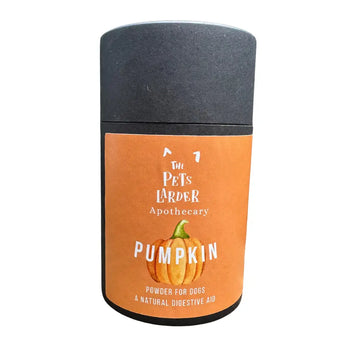
A customer asked me last month why we stock pumpkin powder. Not in a challenging way — genuinely curious, because they'd seen it recommended in three different Facebook groups and wanted to know whether it was actually useful or whether it was one of those things that circulates online because it sounds wholesome. It's actually useful. And the reason I can say that with confidence is that the mechanism is simple enough to explain without resorting to vague wellness language. Which is more than can be said for most supplements. What pumpkin powder for dogs actually does Pumpkin is high in two types of fibre: soluble and insoluble. They do different things. Soluble fibre dissolves in water and forms a gel in the gut. This slows digestion, absorbs excess moisture, and firms up loose stools. If your dog has diarrhoea or chronically soft stools, this is the mechanism that helps. Insoluble fibre doesn't dissolve. It adds bulk to the stool and speeds transit through the gut. This is what helps constipated dogs or dogs who are slow and uncomfortable. The reason pumpkin works for both problems — which sounds contradictory — is that it regulates rather than overrides. It works with whatever the gut is doing. Too fast, it slows things down. Too slow, it speeds them up. The fibre profile does the work, not a drug or a synthetic compound. This is also why whole pumpkin powder is more effective than a pumpkin extract or isolate. You want the complete fibre profile, not a fraction of it. Our pumpkin powder for dogs is 100% dried whole pumpkin flesh — nothing else in the tub. The anal gland question This comes up constantly and it's worth addressing directly because a lot of owners don't connect the two things. Anal glands are small sacs either side of the anus that are supposed to express naturally during defecation — the pressure from a firm stool empties them as the dog goes. When stools are consistently soft or irregular, the pressure isn't there, the glands don't empty, and you end up with scooting, discomfort, and the recurring vet or groomer visit to manually express them. In ten years of running a dog daycare, anal gland problems were one of the most common diet-related issues I saw. And in a significant proportion of those dogs, the problem wasn't structural — it was stool consistency. Add fibre, firm the stool, restore the natural expression mechanism. Not a guaranteed fix, and some dogs have anatomy that makes manual expression unavoidable regardless of diet. But it's the right first step, and it's a much cheaper first step than a vet visit. Pumpkin powder is what I'd recommend before anything else for a dog whose gland issues started or worsened alongside a change in diet or a period of soft stools. When it's most useful There are five situations where pumpkin powder earns its place on the shelf: Loose or inconsistent stools — not from a diagnosed condition, but the kind of chronic softness that comes from mild sensitivity, diet variation, or stress. Daily pumpkin powder often resolves this within a few days without any other intervention. Food transitions — switching a dog's food is one of the most reliable triggers for a week of stomach upset, even with a careful gradual changeover. Adding pumpkin powder from a few days before the switch through to a week after it significantly reduces the disruption. I started recommending this at the daycare years before pumpkin powder was a mainstream pet supplement — it was just something I'd worked out through repetition. After a course of antibiotics — antibiotics do what they need to do but they're indiscriminate, and gut flora takes time to restore. Pumpkin fibre supports the gut environment during recovery without interfering with the medication. Anal gland support — as above. Firm the stool, restore the natural expression mechanism. Weight management — pumpkin is low in calories and high in fibre. Adding a teaspoon to a reduced-calorie meal increases volume and satiety without adding meaningfully to the calorie count. Not a diet solution on its own, but a useful tool for dogs who seem hungry on a managed plan. How much to give Start small and build up. Too much fibre too quickly can cause gas or temporarily loose stools in a dog who isn't used to it — which is the opposite of what you're trying to achieve. As a general guide: Small dogs under 10kg — ¼ to ½ teaspoon per day Medium dogs 10–25kg — ½ to 1 teaspoon per day Large dogs over 25kg — 1 teaspoon to 1 tablespoon per day Mix directly into wet or dry food. Most dogs don't notice it's there. Make sure fresh water is always available — fibre needs hydration to do its job properly. Powder versus tinned pumpkin Both work. The active ingredient is the same. The practical differences are that powder is more concentrated, shelf-stable, easier to dose accurately, and more economical over time. Tinned pumpkin is fine if you have it — but use plain pumpkin, not pumpkin pie filling, which contains added sugar and spices that are harmful to dogs. When pumpkin powder isn't the answer Pumpkin powder manages symptoms. It doesn't diagnose or treat underlying conditions. If your dog's digestive issues are persistent, recurring after the pumpkin powder has helped temporarily, or accompanied by blood, mucus, significant weight loss, vomiting, or lethargy — that's a vet conversation. Not a supplement question. Use pumpkin powder for day-to-day regulation and the occasional upset. Don't use it to delay getting a proper look at something that might need one. The same applies if your dog is on medication or has a diagnosed condition — check with your vet before adding any supplement, including this one. It's a whole food with no known interactions with common canine medications, but a vet managing a specific condition needs to know what else the dog is taking in. What we stock and why Our pumpkin powder for dogs is 100% dried pure pumpkin flesh — no fillers, no additives, no bulking agents. It comes in a 200g compostable tub that's 100% plastic free, suitable from 4 weeks, and works for cats too at a smaller dose. It's part of our broader natural digestion support range, which covers gut health from a few different angles depending on what your dog needs. If you're not sure which approach is right, the full supplements collection is the place to start — or use Decode the Label to check any ingredient before you buy.
Read more
How Slow Feeders Can Help Dogs That Eat Too Fast
Your dog inhales their food in under thirty seconds and then stares at you like they haven't eaten in a week. It's funny, until it isn't. Fast eating in dogs is one of the most overlooked health risks — linked to bloat, regurgitation, poor digestion, and persistent hunger. Here's exactly what's happening, why dogs do it, and what you can do about it today. 📋 In This Article 1. Why dogs evolved to eat fast 2. The real risks: bloat, regurgitation, and more 3. Signs your dog is eating dangerously fast 4. How slow feeders work — and why they're effective 5. Food density vs volume: the nutrition piece 6. Other practical solutions to try today 7. Frequently asked questions 🐺 Why Dogs Evolved to Eat Fast Before your dog was curled up on a memory foam bed with three toys and a designated water fountain, their ancestors were doing something considerably more stressful: competing for food. Wild canids — wolves, jackals, wild dogs — lived in hierarchical packs where food was scarce and competition was fierce. The fastest eater got the most calories. Lingering over a meal meant surrendering it to a rival. Eating quickly wasn't a bad habit. It was a survival advantage that got baked into canine DNA over thousands of generations. Your domestic dog has never once faced a rival at the food bowl. But that primal drive to eat as fast as possible remains. It's not greed, stubbornness, or a training failure. It's instinct. Some breeds are especially predisposed to fast eating. Deep-chested, large breeds — Labradors, German Shepherds, Great Danes, Boxers, and Standard Poodles — are both naturally enthusiastic eaters and more anatomically vulnerable to the consequences. But any dog can develop the habit, particularly those weaned from litters where food competition was present early in life. 🐾 GOOD TO KNOW Rescue dogs and dogs who experienced food scarcity early in life often eat fastest of all — and for entirely understandable reasons. The behaviour makes sense given their history, even if it now needs to be gently corrected for their health. ⚠️ The Real Risks: Bloat, Regurgitation, and More This is the section most owners wish they'd read earlier. Fast eating in dogs isn't just a quirky mealtime personality — it creates a cascade of digestive and health problems, some of which are life-threatening. 2–3× higher bloat risk in fast-eating large breeds < 30s typical meal time for a fast-eating dog — should be 4–5 minutes 80% of GDV cases occur in large and deep-chested breeds Gastric Dilatation-Volvulus (GDV) — Bloat GDV is the most serious consequence of fast eating, and it can be fatal within hours if untreated. When a dog gulps food rapidly, they swallow large amounts of air. This air becomes trapped in the stomach, causing it to expand — and in severe cases, to twist on itself. A twisted stomach cuts off blood supply and requires emergency surgery. ⚠️ MEDICAL EMERGENCY If your dog has a distended abdomen, is retching without producing vomit, appears restless and distressed, or collapses after eating — this may be GDV. Contact your vet immediately. This is a genuine emergency, not something to monitor at home. Regurgitation Often confused with vomiting, regurgitation is the passive return of undigested food shortly after eating. Dogs who eat too fast frequently regurgitate because the oesophagus becomes overwhelmed with food before the stomach can process it. Repeated regurgitation can damage the oesophageal lining over time. Excess Gas and Discomfort Short of full bloat, fast eating causes persistent excess gas. You may notice a distended belly, restlessness, or reluctance to lie down for an hour or more after meals. This isn't dangerous in isolation, but it's not something your dog should be experiencing regularly. Poor Nutrient Absorption Digestion begins in the mouth. Chewing breaks food into smaller particles and mixes it with saliva, which contains enzymes that start breaking down carbohydrates. A dog who swallows whole bites bypasses this stage entirely, meaning nutrients are less efficiently extracted. You could be feeding premium food and still not getting the full nutritional benefit simply because of how fast it's being eaten. Weight Management Problems The brain's satiety signals take approximately 15–20 minutes to register after eating. A dog who finishes their bowl in 30 seconds hasn't given their brain enough time to register fullness — so they feel hungry again almost immediately. This is why many fast eaters appear constantly ravenous and are prone to overeating if meals aren't carefully portioned. 🔍 Signs Your Dog Is Eating Dangerously Fast Some dogs eat fast in a way that's obvious — the bowl is empty before you've taken three steps away. But the signs can be subtler, particularly in dogs with a moderate rather than extreme eating speed. 🐶 Signs to Watch For ✓ Meal finished in under 60 seconds for a standard portion ✓ Audible gulping or gasping sounds while eating ✓ Regurgitation 5–20 minutes after meals ✓ Visibly distended stomach after eating ✓ Excessive belching or flatulence post-meal ✓ Restlessness or inability to settle after eating ✓ Returning to the bowl repeatedly, appearing still hungry ✓ Food scattered widely around the bowl from rushing If your dog shows three or more of these signs consistently, it's worth taking active steps now — before a more serious episode occurs. 🐾 How Slow Feeders Work — and Why They're So Effective A slow feeder bowl is exactly what it sounds like: a bowl designed to physically prevent a dog from taking large bites rapidly. Instead of a flat or simple curved surface, slow feeders have ridges, mazes, raised sections, and obstacles that force dogs to work for each mouthful. The mechanics are simple, but the effect is significant. A dog who typically finishes a meal in under 30 seconds will often take 3–5 minutes with a well-designed slow feeder. That's a 6–10x increase in meal duration from a single piece of kit. The benefits go beyond just slowing down Because dogs have to push their nose and tongue around the bowl to access food, slow feeders activate natural foraging behaviour. In the wild, finding food was a mentally demanding activity — sniffing, pawing, problem-solving. Modern domestic feeding removes all of that. A slow feeder gives a small piece of it back. The result is that many owners notice their dogs are calmer and more settled after meals when using a slow feeder — not just physically, but mentally. They've done a little bit of satisfying work. “A dog who finishes their meal in 30 seconds will often take 3–5 minutes with a good slow feeder — with less gas, less regurgitation, and visibly better settling afterwards.” FEATURED AT THE PETS LARDER EasyEat Slow Feeder Designed to extend mealtimes and reduce air ingestion. The maze-style surface activates natural foraging behaviour, making mealtimes mentally enriching as well as physically safer. Suitable for all breeds. 🔗 View EasyEat Slow Feeder at thepetslarder.co.uk → What to look for in a slow feeder A maze or obstacle design that's genuinely challenging — not just a single ridge Food-safe, non-toxic materials with a stable, non-slip base A size appropriate for your dog's snout — too tight becomes frustrating rather than enriching Dishwasher safe (you will be cleaning this frequently) 🥩 Food Density vs Volume: The Nutrition Piece Here's something many owners don't consider: how much food you're feeding is as important as how fast it's eaten. A dog fed a low-nutrient-density food needs a larger physical volume to get adequate nutrition. More volume means more urgency, faster eating, and more air swallowed per meal. Switching to a nutrient-dense food — particularly cold-pressed dry food or a high-meat, grain-free formula — often reduces the portion size needed. This naturally extends mealtimes (less food to rush through) and, crucially, leaves dogs genuinely satisfied rather than still hungry ten minutes after the bowl is cleaned. 💡 NUTRITIONIST TIP Cold-pressed dog food is made at lower temperatures than standard kibble, which preserves more of the natural nutrients and enzymes in the ingredients. Because more of the nutrition is bioavailable, dogs typically need smaller portions — which can make a real difference to fast-eating habits. It also tends to be more easily digestible, reducing post-meal gas and discomfort. FEATURED AT THE PETS LARDER Cold Pressed Dog Food Collection High-meat, nutrient-dense formulas made at lower temperatures to preserve natural goodness. Smaller portions, better satiety, and easier digestion — a meaningful upgrade for fast-eating dogs. Featuring Eden Holistic and more. 🔗 Explore cold pressed dog food at thepetslarder.co.uk → The combination of a slow feeder bowl and a nutrient-dense food addresses the problem from two angles simultaneously: slowing the physical act of eating, and ensuring the dog is genuinely satisfied by what they've eaten. Most owners who try both together notice a significant change within the first two weeks. ✅ Other Practical Solutions to Try Today Split meals into two sittings If you're currently feeding one large meal per day, split it into two smaller meals. Less food at each sitting means less urgency, less air ingested per meal, and a lower volume of food sitting in the stomach at any one time. This alone can meaningfully reduce bloat risk in deep-chested breeds. Scatter feeding For dry food, scatter the meal across a snuffle mat, an area of grass, or a clean hard floor. Dogs have to sniff and forage for each piece of kibble individually. It takes 10 minutes, costs nothing, activates natural scent-hunting behaviour, and leaves dogs noticeably calmer and more settled afterwards. Hand feeding For dogs with a deeply ingrained fast-eating habit, spending one week hand-feeding their meals piece by piece helps break the physiological pattern and resets their relationship with eating. It requires patience, but it's one of the most effective behavioural resets available. Raise the bowl — with caveats Raised feeding stations are often recommended for large breeds. The evidence is mixed — some studies suggest raised bowls may slightly increase bloat risk in giant breeds — so if you have a very large breed, check with your vet before making this change. For medium dogs, a modest elevation is generally considered neutral to beneficial. The priority order for most dogs: Start with a slow feeder — the single highest-impact change for most dogs Split into two daily meals — reduces volume and urgency at each sitting Switch to a nutrient-dense food — smaller portions, better satiety Add scatter feeding twice a week — enrichment and decompression combined Allow 30 minutes rest after meals — avoid vigorous exercise immediately post-eating ❓ Frequently Asked Questions Q: Why does my dog eat so fast? It's an evolutionary hangover. Dogs descended from animals who competed for food in social groups — the fastest eater got the most. This instinct remains even in dogs who have never once faced competition for a meal. Rescue dogs and dogs from large litters often eat fastest of all, for understandable reasons. Q: Is it dangerous if my dog eats too fast? Yes, it can be. The most serious risk is gastric dilatation-volvulus (GDV or bloat) — a life-threatening condition where the stomach fills with gas and can twist on itself. It's most common in large, deep-chested breeds eating too quickly. Fast eating also causes regurgitation, excess gas, poor nutrient absorption, and persistent hunger due to bypassed satiety signals. Q: What should I do if my dog eats too fast? Start with a slow feeder bowl — it's the most effective single change and takes effect immediately. Combine this with splitting meals into two sittings and switching to a nutrient-dense food that requires a smaller portion. Scatter feeding and snuffle mats are excellent supplementary tools. Q: Do slow feeders actually work? Yes. A well-designed slow feeder extends a meal from under 30 seconds to 3–5 minutes or more. This dramatically reduces air ingestion, lowers bloat risk, improves digestion, and activates natural foraging behaviour. Most owners notice a visible difference in post-meal gas and settling within the first week of use. Q: What food is best for dogs who eat too fast? Nutrient-dense, high-meat foods that require smaller portion sizes are ideal. Cold pressed dog food is particularly well-suited — highly digestible, requiring smaller portions for the same nutrition, and producing less gas than standard extruded kibble. Pair with a slow feeder for best results. The Bottom Line Fast eating in dogs is one of those problems that sits quietly until it doesn't. Most of the time it's just annoying — the empty bowl, the begging eyes, the spectacular post-dinner gas. But for some dogs, particularly larger breeds or those with a very extreme speed, it can tip into something genuinely dangerous. The good news is that it's one of the more solvable problems in pet ownership. A slow feeder and a quality, nutrient-dense food will, for most dogs, transform mealtimes within a fortnight. You don't need a behaviour expert, medication, or a complicated protocol. You just need the right bowl and the right food. Both are waiting for your dog at . 🐾 Ready to slow things down? Shop the EasyEat Slow Feeder and Cold Pressed Dog Food at The Pets Larder. thepetslarder.co.uk/products/easyeat-slow-feeder-5 · thepetslarder.co.uk/collections/cold-pressed-dog-food
Read more
How Fatty Acids Help Dogs Thrive Beyond Grain Heavy Food
After a decade working with dogs, I’ve got pretty good at spotting the difference between a dog who is surviving and a dog who is genuinely thriving. The difference isn’t always obvious. It doesn’t shout at you. It shows up in the dullness of a coat, the way a dog moves, the shine (or lack of it) in their eyes. And once you know what you’re looking for, you start to see it everywhere. The good news: most of these signs are reversible. And they almost always come back to the same place — what’s in the bowl. A note before we start: This article is about the everyday, gradual signs of a dog not thriving — not acute illness. If your dog is vomiting, lethargic, or showing sudden behavioural changes, always see your vet first. The 10 Signs I Look For SIGN 01 A Coat That Doesn’t Shine A healthy dog should have a coat with a natural lustre — soft, smooth, and faintly gleaming in the light. A dull, brittle, or dry coat is one of the first things I notice, and it’s one of the most reliable early indicators that something’s off nutritionally. Omega-3 and Omega-6 fatty acids are the key players here. They’re not produced naturally by a dog’s body, which means they have to come from the diet. Grain-heavy food is often low in these essential fats. WHAT TO LOOK FOR Look for foods high in oily fish (salmon, herring, mackerel) or add a fish oil supplement. Our Cornish fish treats are a good daily addition. SIGN 02 Persistent Itching or Flaky Skin The occasional scratch is normal. But if your dog is itching constantly — particularly around the paws, ears, belly, or base of the tail — that’s inflammation, and inflammation in dogs is almost always linked to diet. Grain, wheat, and artificial additives are the most common dietary triggers for skin reactions. Many owners spend years treating the symptom (itching) rather than the cause (what’s in the food). WHAT TO TRY An elimination approach — switching to a single-protein, grain-free food for 6–8 weeks — often produces a visible improvement. Brands like Aflora and Canagan are good starting points. SIGN 03 Low Energy for Their Age Every dog has their own personality and energy level. But when a young or middle-aged dog seems consistently flat — reluctant to play, slow on walks, not engaged with the world — that’s a signal worth paying attention to. Carbohydrate-heavy diets produce a quick energy spike followed by a crash. A diet high in quality animal protein and healthy fats provides sustained, stable energy throughout the day. WHAT TO TRY Look for foods where the first ingredient is a named meat (chicken, salmon, lamb — not ‘poultry’ or ‘meat derivatives’). The protein content should be prominent — ideally 65%+ meat inclusion. SIGN 04 Soft, Inconsistent, or Smelly Stools It’s not the most glamorous topic, but stool quality is one of the most reliable windows into a dog’s digestive health. A healthy dog should produce firm, well-formed stools that are easy to pick up. Soft, sloppy, or very smelly stools are a sign the gut isn’t processing food efficiently. Grains and fillers are hard for dogs to digest — their digestive systems evolved for meat, not cereals. High fibre from inappropriate sources also speeds gut transit, meaning nutrients aren’t absorbed properly. WHAT HELPSSwitching to a highly digestible, grain-free food often resolves this within weeks. Pumpkin powder is a brilliant natural digestive support to add in the transition period. Surviving looks like: eating, sleeping, going for walks. Ticking the boxes. Thriving looks like something different — and once you’ve seen it, you can’t unsee it SIGN 05 Recurring Ear Infections If your dog has had two or more ear infections in a year, dietary inflammation is the most likely underlying cause — not bad luck. Chronic ear issues are one of the classic presentations of a food intolerance, particularly to grain or dairy. Vets will treat the infection (rightly so), but without addressing the root cause, it tends to keep coming back. WHAT TO CONSIDER Discuss a full dietary change with your vet alongside any treatment. A grain-free, single-protein diet for 8–12 weeks is the standard elimination trial. SIGN 06 Bad Breath Beyond the Usual Dog breath is never going to smell fresh, but truly unpleasant, persistent bad breath — beyond the normal ‘dog smell’ — is often a sign of poor gut health, poor dental health, or both. Soft, grain-heavy food sticks to teeth and gums, encouraging plaque and bacteria. Natural chews and dental treats work mechanically to clean the teeth; the diet itself can also influence the microbial environment in the gut, which affects breath. WHAT HELPS Daily natural chews (fish skins, coffee wood, antler) help with dental health. Dental seaweed powder added to food is a highly effective, evidence-backed plaque reducer. SIGN 07 Eyes That Lack Brightness Bright, clear, engaged eyes are one of the most immediate indicators of a thriving dog. Runny, cloudy, or dull eyes — especially in younger dogs — can reflect nutritional deficiencies or ongoing low-grade inflammation. Vitamin A (found in high quantities in oily fish and quality meat) plays a direct role in vision and eye health. Omega-3 fatty acids also support the cellular health of eye tissue. WHAT TO LOOK FOR Foods with named oily fish as a primary protein, or a dedicated omega supplement. Our Cornish whitefish treats are rich in Vitamin A and natural fatty acids. SIGN 08 Excessive Shedding All dogs shed — it’s completely normal. But excessive, year-round shedding that leaves your furniture covered is often linked to nutritional gaps, particularly in essential fatty acids, zinc, and B vitamins. These nutrients are all present in high-quality, natural dog food. In cheap, grain-heavy food, they’re frequently the first casualties. WHAT TO TRY A switch to natural, high-meat food alongside a fish oil supplement often produces a noticeable reduction in shedding within 6–8 weeks. SIGN 09 Stiff Movement, Especially After Rest Dogs shouldn’t look stiff and reluctant first thing in the morning — at least not until they’re well into their senior years. Premature stiffness and joint issues are increasingly common in dogs eating inflammatory, grain-heavy diets. Omega-3 fatty acids are natural anti-inflammatories. A diet chronically low in them, combined with the low-grade systemic inflammation that poor nutrition causes, creates the conditions for joint problems to develop early. WHAT HELPS Our joint support range includes supplements with green-lipped mussel, turmeric, and glucosamine — all evidence-backed for canine joint health. SIGN 10 Anxiety, Restlessness, or Reactive Behaviour This one surprises people. But gut health and brain health are deeply connected — the gut-brain axis is well established in human science, and the same principles apply in dogs. A poorly nourished gut can genuinely affect mood, stress response, and behaviour. Additionally, blood sugar spikes and crashes caused by carbohydrate-heavy food can make dogs more reactive and harder to settle. I’ve seen dogs with anxiety issues improve significantly after a dietary change — sometimes more than with any other intervention. WHAT TO CONSIDER Start with diet. Our calming and anxiety range includes natural supplements and adaptogens that support the nervous system alongside a good diet. What To Do Next The encouraging thing about all of these signs is that most are diet-related, and diet is something you can change. You don’t need a vet referral. You don’t need expensive testing. You need to look carefully at what’s in the bowl — and ask whether it’s actually giving your dog what they need. Here’s what I always recommend as a starting point: Read the ingredient list. The first ingredient should be a named meat. You shouldn’t see ‘meat derivatives’, ‘cereals’, or a list of things you can’t pronounce high up the list. Go grain-free. Not because grains are evil, but because for most dogs with any of the above signs, removing grain removes the most common dietary irritant and gives you a clean baseline. Give it time. A dietary change takes 4–8 weeks to show results. The gut needs time to adjust and heal. Don’t give up after two weeks because the coat hasn’t changed yet. Look at the whole picture. Food is the foundation, but quality natural treats, chews, and targeted supplements can address specific issues more directly. Not sure where to start? Everything at The Pets Larder is chosen because it passed our own dogs first. Natural, grain-free, and dispatched from Cornwall with carbon-neutral shipping. SHOP NATURAL DOG FOOD → A Final Word I started The Pets Larder because I spent years feeding my own dogs food that I later realised wasn’t good enough — not because it was harmful, but because it wasn’t letting them be everything they could be. The transformation I saw when I switched to natural, grain-free nutrition is the reason this whole business exists. Shinier coats. Better digestion. Real energy. Brighter eyes. It’s not magic — it’s just the right food. Your dog deserves to thrive. And they can. 🐾 Does your dog show any of these signs? Leave a comment below — what’s the one thing you’ve noticed in your dog that made you look more closely at their food? We read every comment and love hearing from the pack.
Read more
Canagans Natural Pet Food for Healthier Cats and Dogs
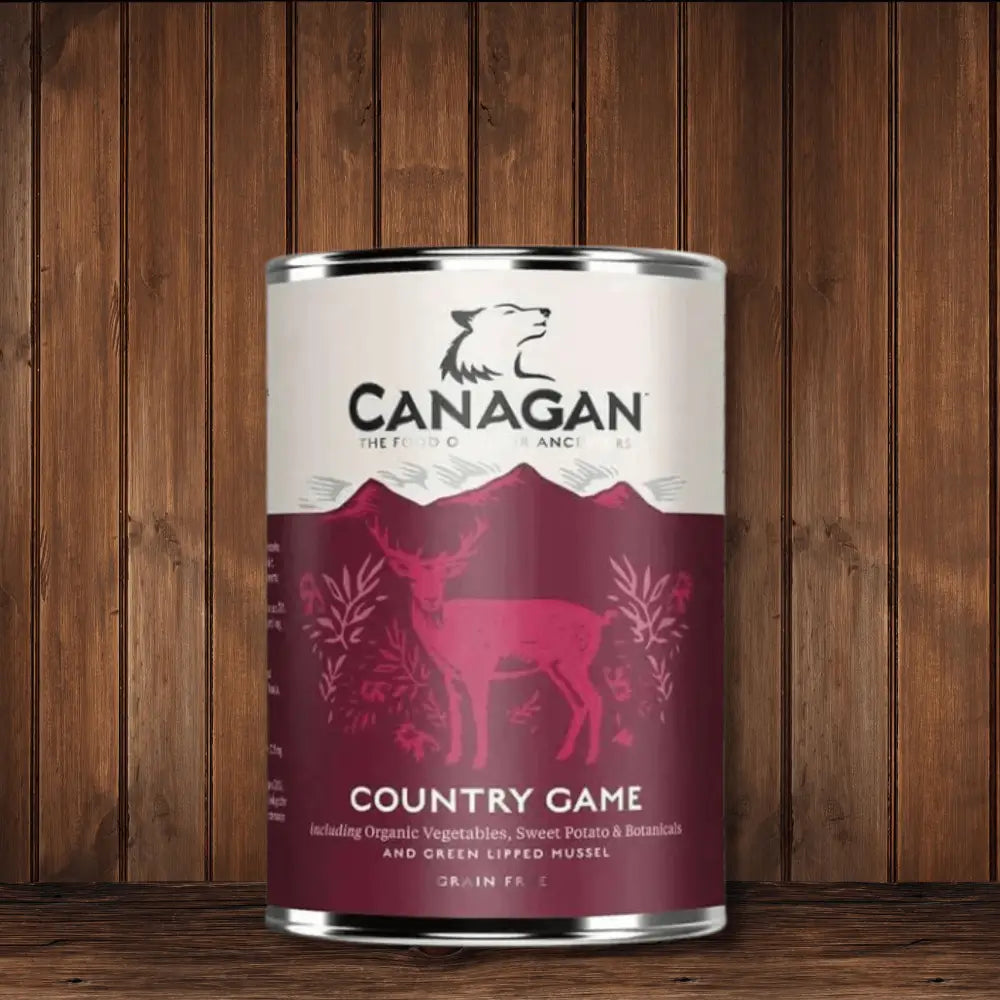
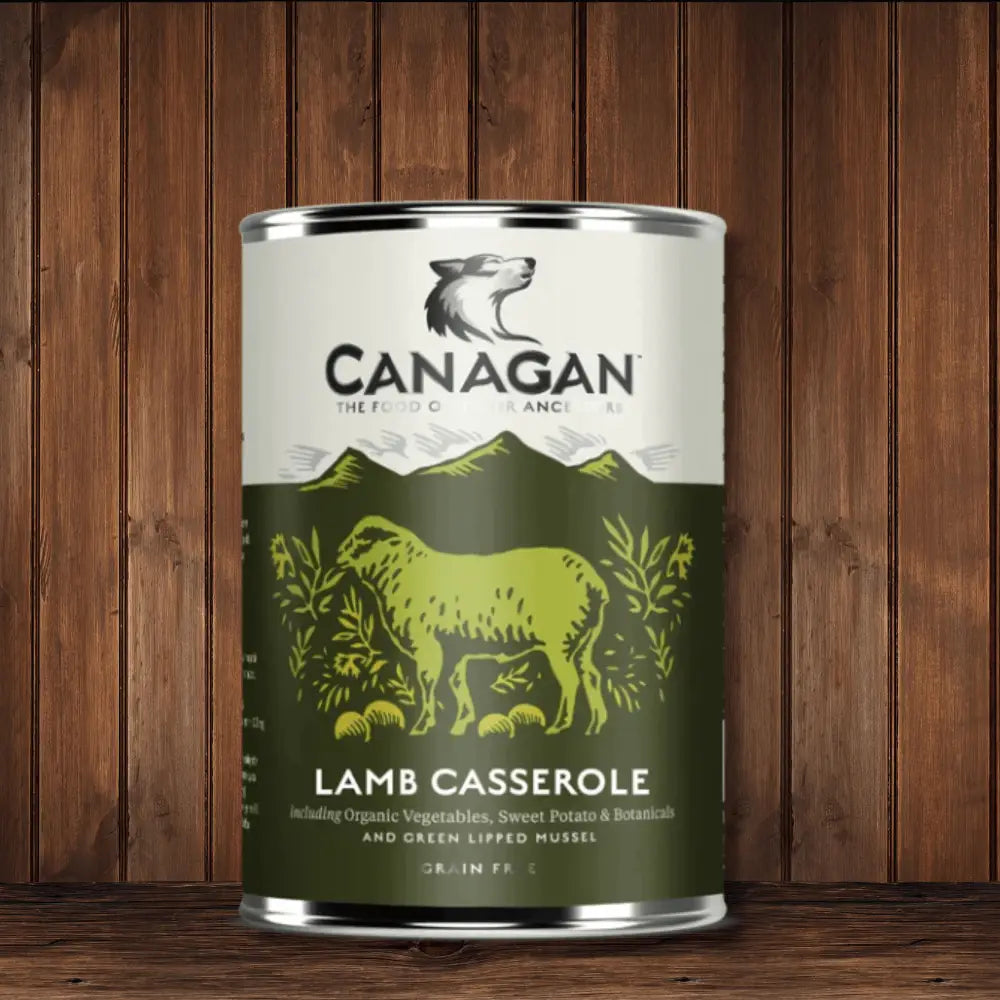
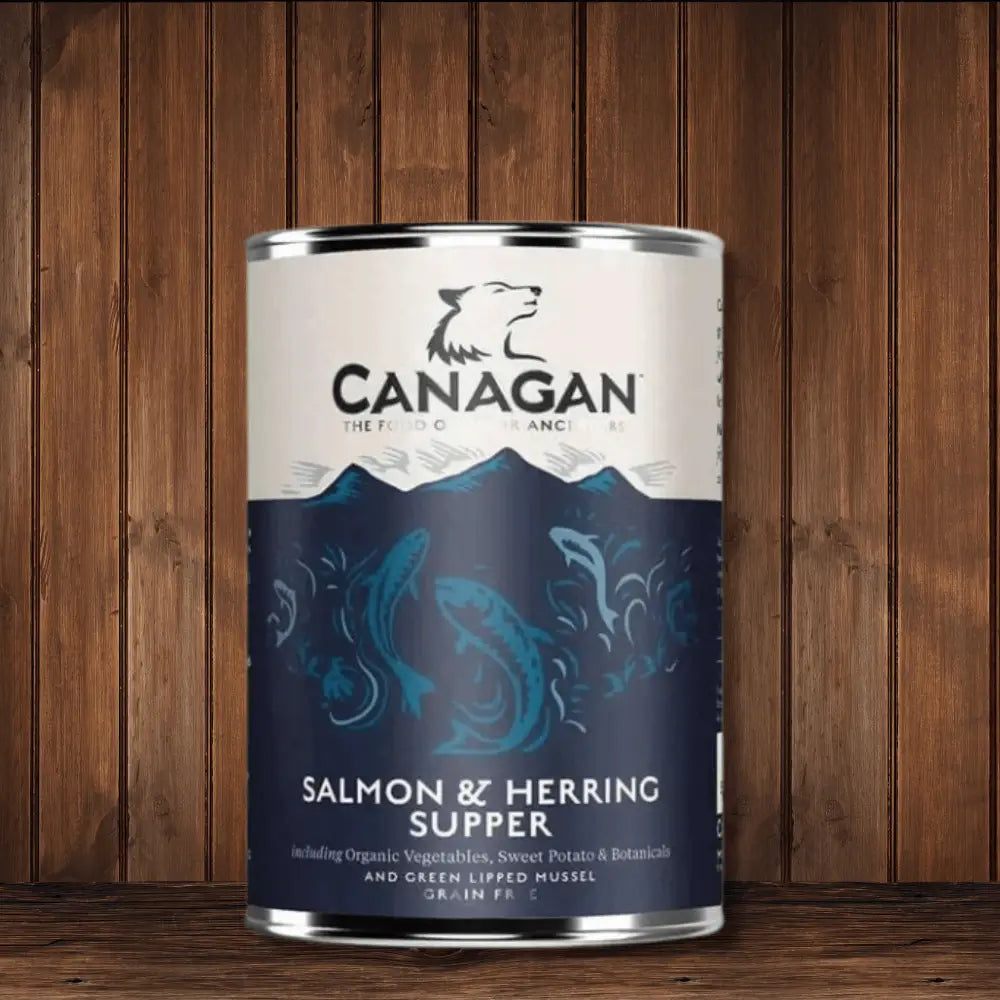
At The Pets Larder, we understand that providing your canine and feline companions with nutritious, natural pet food is essential for their health and happiness. That's why we're proud to feature Canagan's range of grain-free, meaty natural dog food, natural cat food, and natural wet cat food, designed to align with your pet's ancestral diet. Why Choose Canagan Natural Dog and Cat Food? Canagan's recipes are crafted to mirror the natural balance of meats and vegetables that dogs' and cats' wild ancestors would have consumed. By eliminating grains such as wheat, corn, barley, and rice, Canagan focuses on high-quality animal proteins combined with vegetables and botanicals, ensuring a wholesome and healthy pet food option. Premium Ingredients for Optimal Health Each Canagan product is made using the finest ingredients: Free-Range Chicken: Sourced from chickens allowed to roam freely, providing a rich source of protein, vitamins, phosphorus, and selenium, all vital for a robust immune system. Scottish Salmon: Responsibly sourced from the pristine waters of Scotland, this ingredient offers easily digestible protein, Omega-3 fatty acids, Vitamin D, and selenium, promoting healthy skin and coat. Grass-Fed Lamb: Obtained from local farms, this lamb is free from growth-promoting hormones and provides highly digestible protein, essential for muscle development. Sweet Potato: A premium source of slow-release energy, rich in antioxidants and soluble fibre, supporting digestive health. Seaweed: A natural source of minerals, including iodine, which supports thyroid function and metabolism. Botanicals: Ingredients like marigold, cranberry, and chamomile are included for their health benefits, such as immune support and stress reduction. Grain-Free Benefits for Dogs and Cats Feeding your pet a grain-free diet can lead to numerous health benefits: Improved Digestion: High-quality proteins and easily digestible ingredients promote better digestive health. Allergy Relief: Eliminating common allergens like grains can reduce symptoms such as itchy skin and gastrointestinal discomfort. Enhanced Energy Levels: A diet rich in proteins and fats provides sustained energy for active dogs and cats. Healthy Skin and Coat: Omega fatty acids contribute to a shiny coat and healthy skin. Canagan’s Natural Cat Food & Natural Wet Cat Food Cats are obligate carnivores, meaning they require a diet high in animal protein for optimal health. Canagan’s natural cat food and natural wet cat food are formulated to provide all the essential nutrients they need, with high meat content and zero artificial additives. Their wet cat food options ensure hydration and support urinary tract health, making them a perfect addition to your feline’s diet. Customer Testimonials Many pet owners have observed positive changes in their dogs and cats after switching to Canagan. For instance, one customer noted significant improvements in their dog's coat, digestion, and energy levels. Another reported that their cat with a sensitive stomach thrived on Canagan's natural wet cat food. Explore Canagan at The Pets Larder We invite you to explore the variety of Canagan products available at The Pets Larder. Whether your pet prefers dry kibble or natural wet cat food, there’s a nutritious option to suit their taste and dietary needs. Prioritise your pet's health with Canagan’s natural, grain-free pet food. For more information on the benefits of grain-free diets, you may refer to this article by the British Veterinary Association: Grain-Free Pet Food: Myths and Facts.
Read more
Benefits of Whitefish Fingers as a Nutritious Dog Food Option
Are you looking for a food source for your pooch that is an easily digested protein source, full of essential fatty acids, packed full of vitamins, is all natural and can benefit your dog's eyes, skin, joints, teeth and immune health? It may seem impossible that just one ingredient could provide all of this but here at The Pets Larder we know there is, and it's one that is close to our hearts and our home here in Cornwall, the humble white fish. Fish is not always the first thing we think of feeding to our dogs as we usually associate our canine companions with eating meat, however the benefits of supplementing their current diet with fish based chews and treats can be massive. Benefits Of White Fish For Dogs The first thing about fish that we are all probably familiar with is the presence of Omega-3 and Omega-6. These oils are not naturally found in a dog's digestive system and adding them as a supplement can help maintain joint and muscle health as these oils act as a natural anti-inflammatory. These oils alongside other naturally occurring fatty acids in fish can also help to maintain a healthy coat and skin, providing moisture and promoting shine. Not only this but there have been studies that show Omega’s 3 and 6 may help with a dogs brain function too, helping with memory and focus. White fish is also packed with a plethora of other vitamins and minerals that can be beneficial to your dog's health. White fish is an excellent source of Iron which is essential in the production and maintenance of red blood cells which are responsible for carrying oxygen around your dog's body. Zinc is another mineral present in white fish that aids the body with new cell production and digestion. Fish that are caught from the sea can also be a great way of getting iodine into your pooches body which is essential for good thyroid function and your dogs metabolic rate. Vitamin A also known as retinol is also present in large quantities in white fish and is massively beneficial to a dog's eyesight, helping to improve low-light vision and reduce the chance of age related degradation. In addition to all these brilliant benefits fish skins are also a great way to improve your dog's dental health as their rough texture helps to remove plaque and tartar build ups on your pups teeth. White Fish Cubes For Dogs From The Pets Larder At The Pets Larder we are lucky enough to be situated just a stone's throw away from the sea and the bounty that is held within and we know how important it is to utilise the magic of fish in our dogs diets. So much so that we've created an amazing range of fish based products of our very own so your furry friend can access all the benefits of fish in an all natural, responsibly sourced and cost effective way. Mighty Fish Chew Made with 100% fish skins and air dried to lock in flavour and nutrition the Mighty Fish Chew from The Pets Larder is a perfect way to get those fishy benefits into your best friend. If your dog had dental problems this chew is also a great natural toothbrush utilising the scales on the fish skins to exfoliate and clean off plaque and tartar. Get Some Magnificent Mighty Fish Chews Here> Cornish Whitefish Fingers For Dogs As with all the chews and treats listed in here, the Natural Cornish Dog Cornish Fish Fingers are completely natural, grain free and suitable for dogs with allergies. These low fat, high protein treats are also air dried and lovingly made from sustainably sourced fish right here in the heart of Cornwall. The treats are also easily digestible allowing your dog’s digestive system a reduced workload compared with when being fed other meat based treats. They might not be Birds Eye but these Cornish Fish Fingers are a wholesome and delicious way to keep the myriad benefits of fish present in your dog’s diet. Find Our Fabulous Fish Fingers Here> The Pets Larder - Fish Boxes If your dog loves a bit of variety in their diets or just wants to sample a range of the superb fish based treats we have to offer then a The Pets Larder fish box is the one for you. The Cornish Fish Treats Bundle contains some fabulous fish based treats, including our brilliant fish fingers, some delicious salmon and white fish cookies and a pack of our fab fish cubes and is a great gift for the goodest of dogs. All of our treat boxes are produced to the highest of standards, are (of course) all natural and packaged in sustainable and recyclable materials making our boxes not only great for your dog but good for the planet and your pocket too. With a plethora of benefits and a delicious flavour we think it's time to add some natural fish treats into your dogs diet today and treat your dog to something from the wide range of wholesome, wallet friendly, fish based treats and chews to choose from at The Pets Larder.
Read more
Natural Dog Treats Including Dried Chicken Feet and Turmeric Sausages
At The Pets Larder we are dedicated to delivering the best quality all natural dog food, treats and chews for a reasonable price without ever compromising on excellence, and when we can't find products that hold up to our stringent quality control, we make them ourselves! We, the The Pets Larder team, have always been proud of doing the most we can for our customers and their furry friends. So, when we started making our own food, chews and natural dog treats we knew only the best would do. Our product range is ever expanding, sourced from the best of British farming and is, of course, all natural and grain free. Many our The Pets Larder products are also delivered to you in environmentally friendly packaging and are packed by our own fair hands. Not only do you get the best treats for your pooch but you can do your bit for the environment at the same time. Check Out The Full Range Of Our Very Own The Pets Larder Meat Pick & Mix Here> Meaty Treats And Chews We all know our dog's love of meat has no boundaries, from begging for your bacon to wolfing down a delicious meaty The Pets Larder treat, they can't get enough. From exhaustive scientific studies we know that all dogs are directly evolved from the carnivorous timber wolf, some 15,000 years ago, and they still show signs of that in their DNA make-up today. Despite the fact that dogs have become more omnivorous over the years, traits like their sharp pointy teeth, chopping motion when they chew, and digestive anatomy, show the unmistakable hallmarks of being descended from a meat eating predator. So, it's more than understandable why they would still love a meaty morsel today. With all this in mind, when we started to produce our own ranges of perfect pet products, we knew that meaty treats would be high on the list and we certainly delivered! With over 40 dried meat treats for dogs and chews (and counting!) available in the The Pets Larder range, we’re certain we have got one that will satisfy all of your dogs lupine desires. Chicken, Potato And Turmeric Sausages These mini sausages are made with three key ingredients and are as much a supplement as they are a treat. The unique blend of chicken, potato and turmeric offers a whole heap of nutritional benefits as well as tasting sublime. Used for centuries in Ayurvedic medicines and now a top choice for human supplements, turmeric is said to have a whole range of health benefits from joint and muscle support to maintaining cardiovascular health. The Pets Larder Chicken, Potato and Turmeric Sausages can also help with digestive health as well as supporting a healthy immune system which can lead to reducing fatigue and promoting healthy muscle repair. Whilst being as cheap as chips, these delicious little air dried mouthfuls also pack a healthy punch making them the perfect treat for any good dog. Find These Fabulous Sausages Here> Chicken Feet These chicken feet are chicken feet that are gently air dried, and that's it, pure and simple. Using 100% British chicken, the Pets Larder Chicken Feet are perfect for the small dog or puppy that has a penchant for chewing. Thanks to the air drying these chicken feet don't splinter and are a perfect way to keep the gums, teeth and jaw muscles healthy, ideal for the smaller dogs with the big appetite for gnawing. Peck Up Some Of Our Air Dried Chicken Feet Here> When it comes to delicious and wholesome meaty treats The Pets Larder should be your go-to. Our huge and ever expanding range of all British, naturally made, grain free and air dried meaty treats for dogs will always be great on value and top dog when it comes to quality.
Read more


