


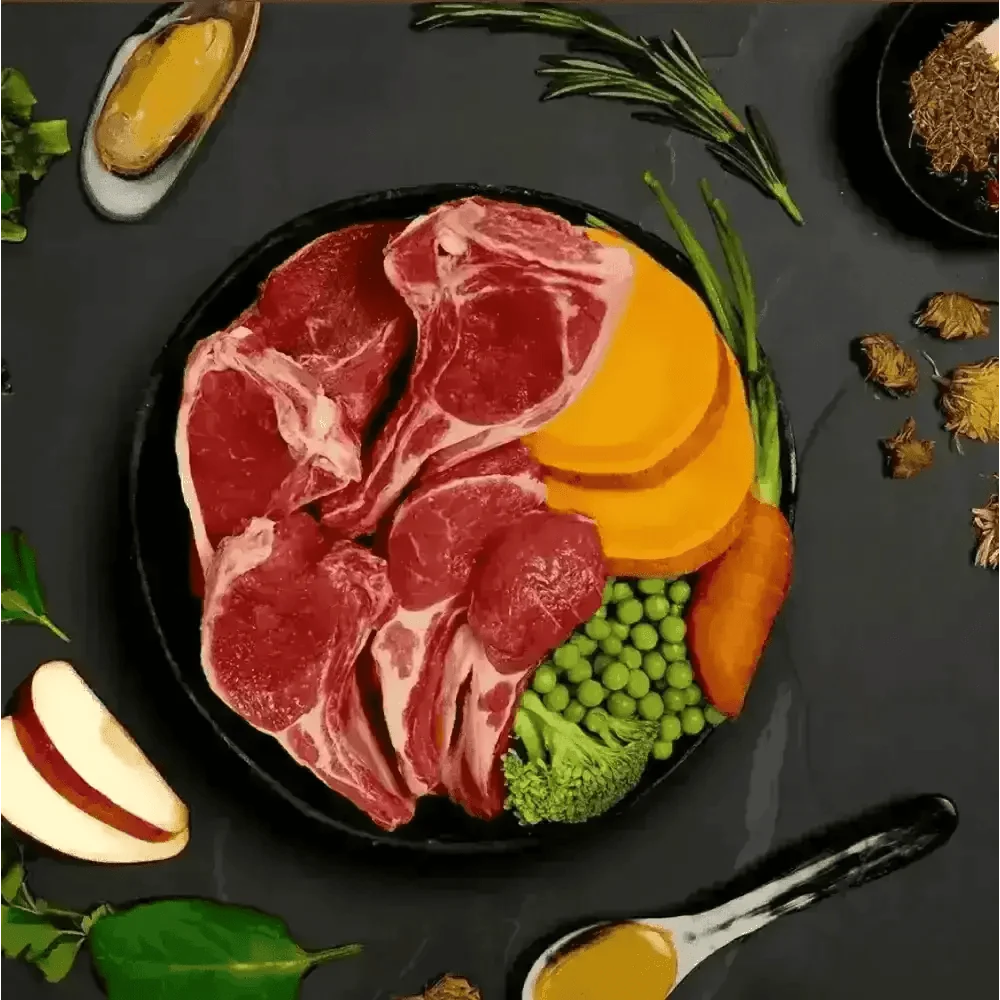
A diabetes diagnosis can feel overwhelming. Suddenly, there are injections to give, meals to plan, blood glucose to monitor and a new routine to learn. It is natural to wonder whether changing your dog's food could make things easier.
The reassuring news is that many diabetic dogs can enjoy a good quality of life with appropriate treatment and ongoing veterinary care. Getting the right routine in place takes time, but you do not have to work everything out on your own.
Food plays an important part in managing canine diabetes. The key is understanding what diet can help with, what it cannot do, and how to choose food that works alongside your vet's treatment plan.
What happens when a dog develops diabetes?
Diabetes mellitus affects the body's ability to regulate blood glucose (blood sugar).
In dogs, the condition usually develops because the pancreas can no longer produce enough insulin. Insulin is the hormone that allows glucose to move from the bloodstream into cells where it can be used for energy.
Without enough insulin, glucose builds up in the blood, while the body's cells struggle to use it properly.
Common signs include:
- Drinking more water than usual.
- Urinating more frequently or producing larger amounts of urine.
- Losing weight despite having a normal or increased appetite.
- Appearing tired or less energetic.
Some dogs also develop cloudy eyes caused by cataracts. If you notice these signs, arrange a veterinary appointment rather than trying to manage them through diet alone.
Diabetes is more common in middle-aged and older dogs, and unspayed female dogs are at increased risk. Other health conditions and certain medications can also affect glucose regulation.
Your vet can investigate the signs, confirm the diagnosis and check for other conditions that may influence treatment.
Can diet help manage diabetes in dogs?
Yes. But it is important to understand its role.
Diet supports diabetes management; it does not replace insulin in dogs with diabetes mellitus. Most diabetic dogs require ongoing insulin treatment, alongside appropriate feeding, monitoring and veterinary care.
The aims of dietary management are to:
- Maintain a healthy body weight and preserve muscle.
- Help manage rises in blood glucose after meals.
- Provide complete, balanced nutrition.
- Make sure your dog eats reliably and consistently.
- Support any other health needs that affect food choice.
There is no single diet that is right for every diabetic dog. The best choice depends on your dog's weight, body condition, appetite, activity, other medical conditions and the insulin regimen your vet has prescribed.
That is why choosing food based on one headline figure, such as protein percentage or carbohydrate content, can be misleading.
Choosing food for a diabetic dog
One of the most common questions after diagnosis is whether to switch to wet food, dry food, raw feeding or a grain-free diet.
The answer is not as simple as choosing one format over another.
Wet food, dry food or raw?
|
Food type |
What to consider |
|
Complete wet food |
Often has a higher moisture content and may contain fewer simple carbohydrates than dry food. Calorie content and the overall nutritional profile still matter. |
|
Complete dry food |
Can be suitable for diabetic dogs. Look at its nutritional composition, calorie content, portion size and how well your dog eats it. |
|
Raw food |
Should not be assumed to be better for diabetes. Nutritional completeness, food safety, carbohydrate content and consistency all need consideration. |
|
Grain-free food |
Grain-free does not automatically mean low-carbohydrate. Other ingredients, including potatoes, peas and other starch sources, may contribute carbohydrates. |
The 2026 American Animal Hospital Association (AAHA) canine diabetes guidelines discuss potential benefits of canned diets and fibre, but also recognise that dogs can do well on different complete and balanced diets when food intake, portions and feeding times are appropriate.
For The Pets Larder, the important distinction is this: a food's format or marketing claims cannot tell you on their own whether it is appropriate for a diabetic dog.
How to read a dog food label when your dog has diabetes
If you're trying to choose between two foods for a diabetic dog, the label can leave you with more questions than answers.
Should you choose the one with more protein? Less fat? Fewer carbohydrates? Does grain-free mean low-carb? And why doesn't carbohydrate even appear on some labels?
Here's a practical way to work through it.
Step 1: Make sure it's a complete food
First, check that the food is labelled as complete for dogs.
A diabetic dog still needs a nutritionally complete diet. Don't choose a food simply because its protein or carbohydrate figures look attractive.
Step 2: Find the analytical constituents
On a UK dog-food label, look for:
- Protein
- Fat
- Fibre
- Ash
- Moisture
You may also find calorie information, usually expressed as kcal per 100g, per can or per serving.
These numbers give you a much more useful starting point than claims such as high meat, grain-free or natural.
Step 3: Work out the carbohydrate
Carbohydrate often isn't declared on the packet, but you can estimate it from the information that is there.
Use:
100 − protein − fat − fibre − ash − moisture = estimated carbohydrate
For example:
|
Analytical constituent |
Example food |
|
Protein |
25% |
|
Fat |
12% |
|
Fibre |
4% |
|
Ash |
7% |
|
Moisture |
10% |
|
Estimated carbohydrate |
42% |
So this example food contains approximately 42% carbohydrate as fed.
That's useful information — but don't stop there.
Step 4: Put wet and dry foods on a level playing field
This is where comparing labels gets particularly tricky.
A wet food might contain 75–80% moisture, while a dry food might contain only around 8–10%.
That means you cannot meaningfully compare their protein or carbohydrate percentages as printed on the packet.
For a proper comparison, convert the figures to a dry-matter basis.
The formula is:
Nutrient as dry matter = nutrient as fed ÷ (100 − moisture) × 100
For example, if a food contains 25% protein and 10% moisture:
25 ÷ 90 × 100 = 27.8% protein on a dry-matter basis
This allows you to compare the nutritional composition of wet and dry foods more fairly.
Step 5: Don't chase the lowest carbohydrate number
This is an important one.
There isn't a universal carbohydrate percentage that makes a food suitable for every diabetic dog.
Carbohydrate matters, but so do the type of carbohydrate, fibre, calories, protein, fat, body condition and the individual dog's response.
So don't turn food shopping into a hunt for the lowest number you can find.
Instead, use carbohydrate as one part of the comparison.
Step 6: Look at the protein
Protein is important for maintaining muscle, particularly if a dog is losing weight.
But more protein isn't automatically better.
Compare the amount on a dry-matter basis and then consider why your dog needs that amount.
For example, a diabetic dog with another health condition may have very different nutritional requirements from an otherwise healthy diabetic dog.
Step 7: Look at the fat
Fat is calorie-dense, so it matters when you're managing body weight.
It also deserves particular attention if your dog has a history of pancreatitis or another condition where your vet has recommended dietary fat restriction.
There isn't one universal fat percentage for diabetic dogs.
Instead, ask:
Is this amount of fat appropriate for my dog's weight, calorie requirements and other health conditions?
Step 8: Look at the fibre
Fibre can be useful in diabetic-dog diets because appropriate amounts and types of fibre can influence digestion and the rise in blood glucose after eating.
But don't simply choose whichever food has the highest crude-fibre number.
The type of fibre matters, as does your dog's weight, appetite and overall nutritional requirement.
Step 9: Look at the ingredients — but don't let them fool you
This is where marketing claims can get confusing.
Grain-free does not mean carbohydrate-free.
A grain-free food can still contain substantial carbohydrate from ingredients such as:
- Potato
- Sweet potato
- Peas
- Lentils
- Chickpeas
- Tapioca
- Cassava
And the presence of rice, maize or another grain doesn't automatically make a food unsuitable for a diabetic dog.
The nutritional analysis of the finished food tells you more than the word grain-free on the front of the bag.
Step 10: Check the calories
Don't overlook this.
If one food contains 350 kcal per 100g and another contains 450 kcal per 100g, your dog would need a substantially different portion of each to receive the same number of calories.
This matters particularly if your dog needs to lose weight.
Ask your vet about your dog's ideal body weight and calorie requirement rather than simply following the packet's feeding guide.
So what should you actually look for?
Rather than looking for one magic number, you're looking for a food that:
✓ Is complete and balanced
✓ Provides an appropriate amount of calories
✓ Provides adequate protein for your individual dog
✓ Has an appropriate fat level
✓ Provides useful fibre without being excessive
✓ Has a carbohydrate level and composition that fits your dog's management plan
✓ Is something your dog will reliably eat
✓ Can be fed consistently alongside their insulin and feeding schedule
Comparing two foods?
Write the numbers down.
|
|
Food A |
Food B |
|
Moisture |
|
|
|
Protein |
|
|
|
Fat |
|
|
|
Fibre |
|
|
|
Ash |
|
|
|
Estimated carbohydrate |
|
|
|
Calories |
|
|
|
Complete food? |
|
|
|
Main carbohydrate sources |
|
|
Then convert the nutritional figures to dry matter if you're comparing foods with substantially different moisture levels.
You don't have to become a veterinary nutritionist to make a more informed comparison.
The point isn't to find a food that wins on one number.
It's to understand what you're actually feeding.
What The Pets Larder recommends
Our customers managing diabetic dogs report consistent results with:
Dry kibble: Aflora range (UK-made, GA Pet Food Partners). Aflora Angus Beef (29% protein, 3% fat, £15.50) is the first choice for consistency and transparent portion control. Aflora Lamb (26% protein, 13% fat, £15.00) and Aflora Senior Turkey (27% protein, 9% fat, £15.99) work well for dogs needing lighter diets or with sensitivities. All Aflora varieties run approximately 11% carbohydrate, making them straightforward to discuss with your vet.
Wet food: Complete Wellbeing range (JR Pet Products, £4.29 per 400g tin). These are 90% meat with minimal carbohydrate (1–2%). Six flavours available: Simply Chicken (16% protein, 8% fat), Simply Beef (16% protein, 13% fat), Turkey & Chicken (16% protein, 7% — leanest option for weight loss), Lamb & Beef (16% protein, 9%), Rabbit & Chicken (16% protein, 7%), and Venison & Beef (16% protein, 11%). Wet food is particularly useful for dogs refusing kibble after diagnosis, or for customers needing precise portion control.
Freeze-dried treats: Canagan Raw Freeze Dried Treats, 20g pouches at £2.99 (Fish, Beef, or Lamb — Fish has 49% protein and lowest fat at 18%). One pouch = one training reward. Zero added carbohydrates. Alternatively, McAdams Freeze Dried range for larger quantities: Chicken (43% protein, £26.99), Turkey (35% protein, £28.99), or New Zealand Lamb (£22.99).
Single-ingredient chews and treats: Yak Chew (£3.96, TPL house brand, minimal carbohydrates), Natural Cornish Whitefish Cubes 75g (£4.70 — nearly pure protein at 78.5%, just 2.4% fat, excellent for weight loss), Ostrich Knee Tendon (£7.99, natural dental chew, high protein), or Natural Cornish Dried Sprats 75g (£4.70 — high fat, so avoid if your dog has pancreatitis history).
Raw feeding: If your vet approves raw and you can maintain consistent portions, Natures Menu 80:20 range (80% meat and organs, 20% vegetables and superfoods) is available in multiple flavours: Chicken (£6.49), Turkey (£6.49), Beef (£6.99), Duck & Chicken (£6.99), Goose & Turkey (£6.99), and Salmon & Chicken (£6.99). Raw diets are typically low in carbohydrate and high in protein, which can suit some diabetic dogs, but they require strict consistency and vet oversight — portion control and monitoring are essential. Confirm with your vet before switching to raw.
All of these have been selected for transparency of ingredients and nutritional labelling, so you and your vet can make informed decisions together.
Should diabetic dogs eat low-carbohydrate, high-protein food?
Not necessarily.
Carbohydrates can influence post-meal blood glucose, but the amount and type of carbohydrate, the food's fibre content, the rest of its nutritional composition and the individual dog's response all matter.
A high-protein diet is not automatically the right choice either. Some dogs need dietary adjustments for concurrent conditions, such as kidney disease or pancreatitis, which may change the nutritional priorities.
Rather than applying a universal carbohydrate limit, ask your vet to assess the food's complete nutritional profile and how it fits your dog's treatment plan.
Be cautious of blanket rules such as "all diabetic dogs should eat grain-free food" or "anything above 10% carbohydrate is unsuitable". These are not reliable ways to choose a diet for every diabetic dog.
What about fibre?
Fibre can be useful in dietary management. Diets containing appropriate amounts of soluble and insoluble fibre may help moderate post-meal glucose changes and support weight management.
However, more fibre is not always better. A dog that is underweight, losing muscle or struggling to maintain its appetite may have different nutritional needs from an overweight dog.
Your vet can help determine whether a higher-fibre diet is appropriate.
Why consistency matters
For many diabetic dogs, the daily routine is just as important as the choice of food.
Your vet will advise you on when to feed your dog in relation to insulin administration. Follow that plan rather than assuming every insulin product has the same relationship with mealtimes.
Try to keep the following consistent:
- Food: feed a diet your dog tolerates and eats reliably.
- Portions: measure meals rather than estimating them.
- Timing: follow your prescribed feeding and insulin schedule.
- Treats: include treats and extras in the overall feeding plan.
- Exercise: aim for a reasonably predictable activity routine.
If you want to change your dog's food, speak to your vet first. A change in calories, carbohydrate content or how much your dog eats can affect blood glucose and insulin requirements.
Your vet may recommend monitoring more closely during the transition.
Managing your dog's weight
Weight management is an important part of diabetes care, but the goal is not simply to make your dog thinner.
An overweight dog may benefit from a carefully planned reduction in calories. Excess body fat can contribute to insulin resistance, making glucose regulation more difficult.
An underweight dog, however, may need more calories and support to regain weight and muscle.
Monitor your dog's weight and body condition with your veterinary team. If weight loss is recommended, ask for a suitable target and a review schedule. Unplanned weight loss in a diabetic dog can be a sign that the condition is not adequately controlled, rather than evidence that the diet is working.
Treats and chews: what can you give a diabetic dog?
Treats do not have to disappear from your dog's life, but they should be considered part of the overall diet. Their calories and nutritional composition matter, particularly if your dog needs to lose weight or has other medical conditions.
When choosing treats, training rewards or natural chews, consider the following:
- Ingredients: know what the product contains rather than relying on terms such as natural or grain-free.
- Nutritional composition: consider calories, fat, protein and carbohydrate sources.
- Portion size: smaller rewards may make it easier to manage total daily intake.
- Digestibility and tolerance: choose products your dog can eat comfortably.
- Consistency: avoid regularly introducing new foods without considering their effect on the established routine.
A single-ingredient treat is not automatically suitable for every diabetic dog. For example, a high-fat chew may be inappropriate for a dog with a history of pancreatitis, while a calorie-dense treat may complicate a weight-loss plan.
There is also no universal list of safe natural chews for diabetic dogs. Suitability depends on the individual animal, the product and any other health conditions.
If your dog receives insulin with meals, ask your vet how treats should fit into the daily schedule. Do not use treats as a reason to change the prescribed insulin dose.
A useful question to ask your vet
"Can you help me choose a complete food and a small selection of treats that fit my dog's calorie needs, insulin routine and any other health conditions?"
This gives you a practical starting point for choosing products without relying on generic diabetic-dog food lists.
Monitoring your dog at home
Once treatment begins, you will gradually learn what is normal for your dog and which changes need attention.
Keep a simple record of:
- Food eaten and any changes in appetite.
- Water consumption and urination.
- Insulin administration, following your vet's instructions.
- Weight and general energy levels.
- Any vomiting, diarrhoea, weakness or unusual behaviour.
Your vet will arrange follow-up checks and decide how best to monitor blood glucose. Depending on the dog, this may involve a blood glucose curve, a continuous glucose monitor or other tests.
Home monitoring can be useful, but readings need to be interpreted in context. Your veterinary team should guide you on the equipment, testing frequency and any treatment decisions.
Recognising low blood sugar
Hypoglycaemia means blood glucose has fallen too low. It can be dangerous and requires prompt attention.
Possible signs include:
- Weakness or unusual lethargy.
- Shaking or trembling.
- Disorientation or unsteadiness.
- Collapse or seizures.
If you suspect hypoglycaemia, contact your vet or an emergency veterinary service immediately for instructions. If your dog is unconscious or having a seizure, do not put food, liquid or anything else into their mouth.
Ask your vet in advance for a written emergency plan, including what to do if your dog refuses a meal, vomits after eating or you are unsure whether to give an insulin dose.
Never change or repeat a dose based on guesswork.
Will a diabetic dog need insulin for life?
For most dogs with diabetes mellitus, insulin treatment is lifelong.
Unlike diabetes in cats, remission is uncommon in dogs. Some dogs can experience remission in particular circumstances, such as diabetes associated with hormonal changes around a heat cycle or pregnancy, but this is not something that can reliably be achieved through a low-carbohydrate diet or weight loss alone.
If your dog's symptoms change or their insulin needs appear to be different, arrange a veterinary review rather than assuming they no longer need treatment.
What is the long-term outlook?
A diabetes diagnosis brings additional responsibilities, and the initial adjustment can be demanding. There may be more frequent appointments while your vet establishes a suitable treatment plan.
With appropriate insulin therapy, monitoring and dietary management, however, many diabetic dogs maintain a good quality of life. The aim is to control clinical signs, avoid dangerous low blood glucose and help your dog maintain a healthy body condition.
You do not need to find a miracle food. You need a feeding plan your dog will eat consistently, that meets their nutritional needs and that works alongside veterinary treatment.
The Pets Larder takeaway
When choosing food for a diabetic dog, look beyond the front of the packet.
A grain-free label, high meat content or natural ingredients list cannot establish whether a food is suitable for your dog's particular needs. Start with a complete and balanced diet, consider the full nutritional profile, account for treats and work with your vet before making significant changes.
At The Pets Larder, we believe informed feeding decisions begin with understanding what's in the bowl and why it matters.
Good nutrition can support diabetes management. The right food is the one that meets your dog's needs as part of a veterinary-led plan.
Editorial note
This article is for general information and is not a substitute for veterinary advice, diagnosis or treatment. Individual dietary requirements vary, particularly where other medical conditions are present.