

Like any food that we might have in our kitchen cupboards, fridges and pantries, properly storing our dogs’ foods, treats and chews is critically important to ensure they remain fresh and safe for consumption by our four-legged friends.
Improper storage of our pooches' precious consumables can result in bacterial growth, mould and rancidity, all of which can potentially contribute to chronic health issues and expensive trips to the vet.
In this post, we will be exploring what can cause your dogs’ food and treats to spoil, how to tell if they have spoiled and are unfit for consumption, and what the proper ways to store them are to avoid any of these relatively easily preventable problems.
What Causes Dog Food and Treats to Go Off?
As with human foods, the things that could cause your dog’s food to go off are most commonly; heat, moisture and overexposure to air. These factors can cause spoilage and for your food, treats and chews to become dangerous for your furry friends to eat.
Another factor to consider is how long you keep your food. Like any human food, our dog’s food has a shelf life. For most dogs this will be irrelevant as they eat the same thing day-in-day-out and they love it, so you won't often get to that point! However, it's worth remembering that most kibbles will last for around 6 weeks after opening, if properly stored, and wet food will only last around 3 days in a fridge, once opened.
How to Tell If Your Dogs Food or Treats Have Spoiled
With dried dog foods it can be quite difficult to tell if it has gone off but there are a few telltale signs to check for if you think it has. Firstly the odour, if it smells acidic, sour or different from usual, this can be a sign of rancidity or bacteria growing on the food. Your dog might be the first to notice this as they have a superb sense of smell and if they are refusing food after a few bites or turning their nose up to their usual dinner it might be time to check. Some dogs will, of course, eat anything so it is important to keep checking yourself too!
Secondly, any signs of mould or moisture are a sure sign of your dog’s food not being in the best condition. Any condensation in the bag or box your store food in is a bad sign too.
Exposure to extreme heat such as being left in the sun or by a radiator can cause rancidity, a process in which fats and oils become degraded resulting in bad smell taste and texture. A noticeably oily or slimy feel to the food can also be a sign of this.
And lastly, if your dog seems to have a negative reaction to any food (diarrhoea, vomiting etc.) you should immediately seek veterinary advice and avoid the food you might think is the potential cause.
How to Properly Store Dog Food and Treats to Prevent Problems
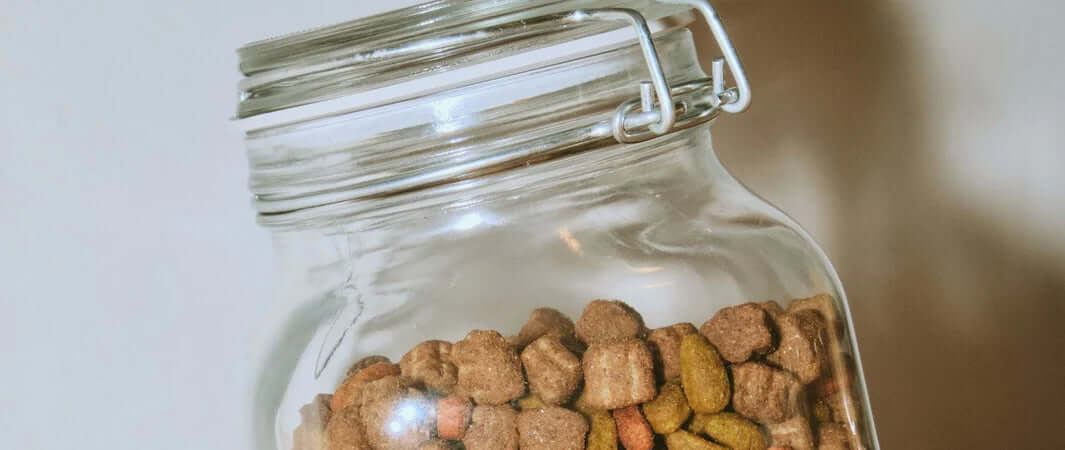
Store dry dog food, treats and chews in airtight containers. Use an airtight container made of metal, glass, or heavy-duty plastic to keep the food fresh. Always Make sure the container is clean and bone-dry before pouring in new food.
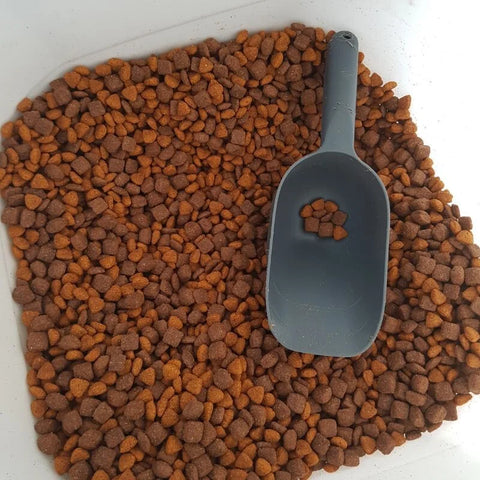
Keep all dry food, treats and chews in a cool, dry place away from direct sunlight, heat sources, and moisture. Avoid storing it in the garage, porch or outside where it can be exposed to temperature fluctuations.
Use the first-in, first-out (FIFO) method to ensure that your dog's food, treats and chews don’t expire. This means using the oldest first and keeping the newest at the back or bottom of the container you use to store your foods and treats.
Cans and pouches of wet dog food should be stored in a cool, dry place as well and should be kept away from extreme temperatures too. Once opened, if there is any unused it should be covered and stored in the fridge for up to three days.
Air-dried treats and chews should always be stored in airtight containers and, again, in a cool dry place away from major temperature fluctuations.