

The question of which cat breeds are most popular in the UK is harder to answer definitively than you might expect. Unlike dogs — where the Kennel Club publishes detailed registration data — cat ownership statistics are patchier, and breed popularity is often inferred from search interest and anecdotal evidence rather than hard registration numbers.
What we do know tells an interesting story. Around 26% of UK households share their home with a cat. Of those, 63% own moggies — non-pedigree cats of mixed or unknown ancestry. Only 32% own pedigree or crossbreed cats. Which means the breeds listed below are genuinely niche, even if they feel ubiquitous on social media.
If you're considering which breed might suit your home and lifestyle, the list below is a starting point. What it cannot tell you is whether a particular cat will thrive on the food you choose, which matters far more than many people realise before they get one.
More on that at the end.
The Ten Most Popular Cat Breeds in the UK
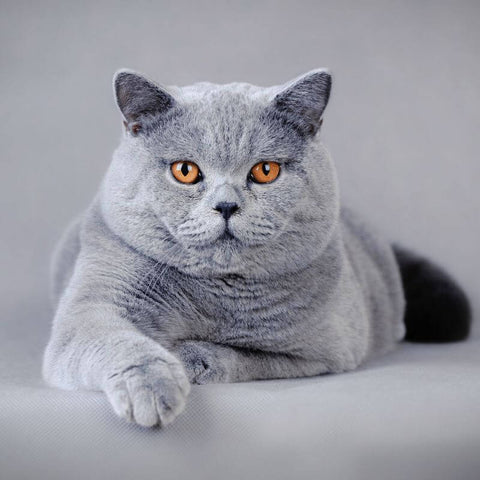
1. British Shorthair
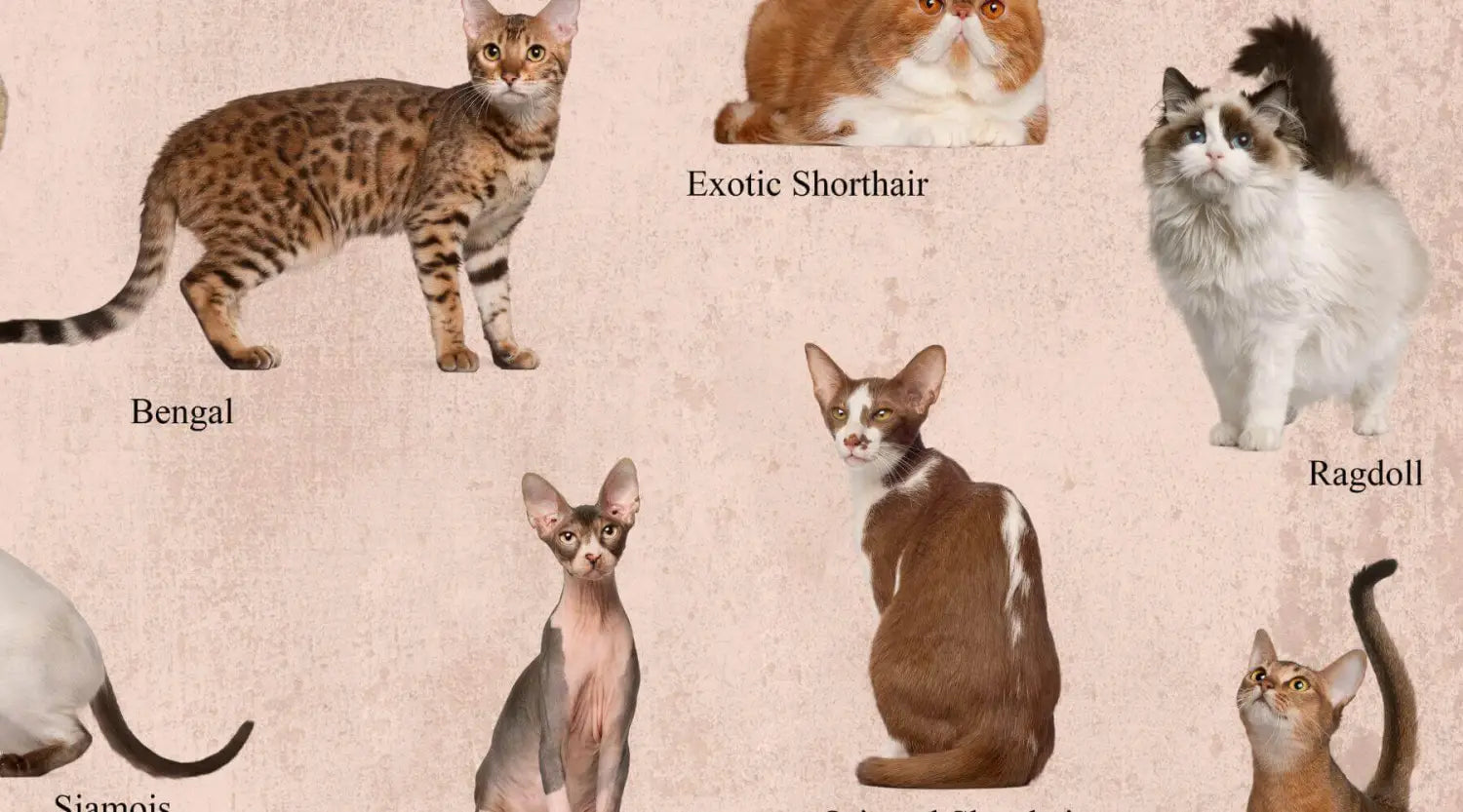
The British Shorthair is about as close to a consensus number one as the data allows. Round-faced, dense-coated, and reliably calm in temperament, they are well-suited to indoor life and tend to adapt well to households with children and other pets. They are not particularly demanding of attention — a quality that appeals to owners who want a companion rather than a shadow.
Nutritionally, British Shorthairs are prone to weight gain and benefit from a high-protein, lower-carbohydrate diet. Their dense musculature means they need feeding guidelines based on lean body weight rather than total weight.
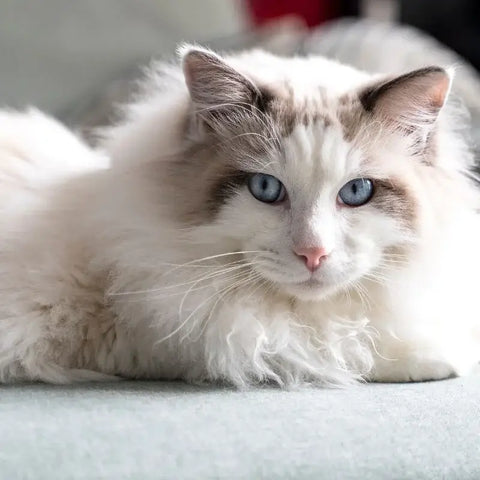
2. Ragdoll
Ragdolls are large, semi-longhaired cats with a distinctly relaxed temperament — they go limp when held, which is where the name comes from. They tend to be quiet, sociable, and unusually tolerant for a cat. They do not cope particularly well with being left alone for long periods.
Their size means they eat more than most cats, and portion control matters. A calorie-dense dry food fed to appetite can lead to significant weight gain in a breed that is already substantial.
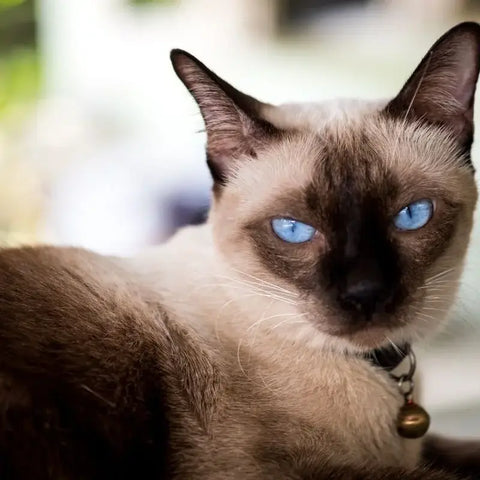
3. Siamese
Siamese cats are vocal, intelligent, and demanding of interaction in a way that many other breeds are not. If you work from home and want a cat that will involve itself in whatever you are doing, a Siamese will oblige. If you want a cat that leaves you alone, it will not.
They are lean cats with high metabolisms, and they tend to do well on higher-protein diets. They can be fussy eaters, which sometimes leads owners toward wet food as a primary diet — generally a reasonable choice given the breed's need for good hydration.
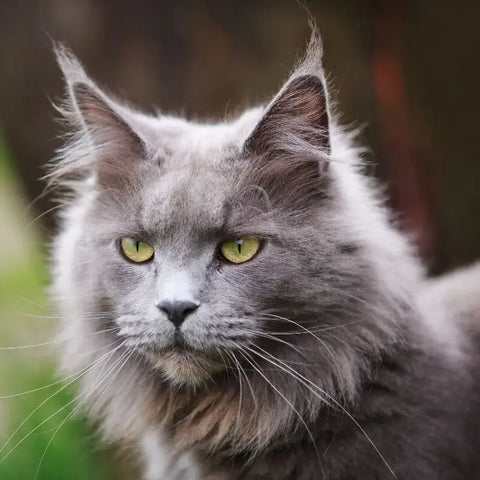
4. Maine Coon
Maine Coons are the largest domestic cat breed and carry themselves accordingly — they are confident, playful, and sociable without being clingy. They tend to get along well with dogs, which makes them a practical choice for multi-pet households.
Their size means food costs are meaningfully higher than for smaller breeds, and joint health becomes relevant earlier than in cats of average build. A diet that includes glucosamine-supporting ingredients or supplementation is worth considering from middle age.
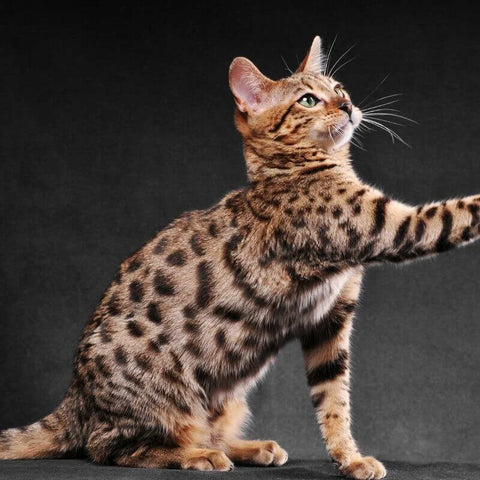
5. Bengal
Bengals are high-energy cats with a coat pattern that nods toward their leopard cat ancestry. They require more mental and physical stimulation than most domestic breeds — a Bengal in a small flat with no enrichment is a Bengal that will redecorate your home for you, unprompted.
They tend to do well on protein-rich diets, and raw or high-meat wet food is a common choice among Bengal owners. Their activity level means they generally maintain weight well, but portion control is still worth tracking.
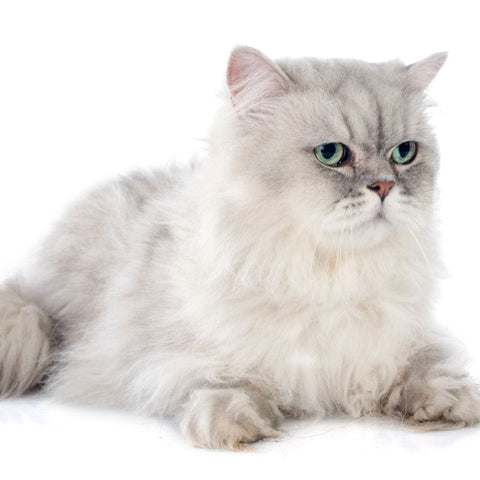
6. Persian
Persians are quiet, gentle, and strongly domestic in their preferences — they want comfort, routine, and a warm spot. They are not suited to chaotic households and do not adapt quickly to change.
Their flat faces (brachycephalic structure) can create feeding challenges — some Persians struggle with certain kibble shapes. Wet food is often easier for them to eat, and hydration is especially important given their tendency toward kidney issues as they age.
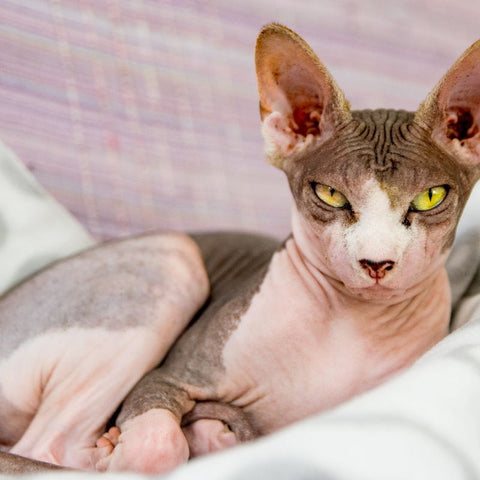
7. Sphynx
Sphynx cats are hairless but not low-maintenance. They require regular bathing because the oils that a coated cat distributes through grooming accumulate on a Sphynx's skin instead. They are also notably warm-seeking and will rarely be found sitting alone when a human lap is available.
Their lack of fur means they burn more calories maintaining body temperature, and they often eat more than cats of similar size and build. Calorie-dense food appropriate to an active, higher-metabolism cat is worth discussing with your vet.
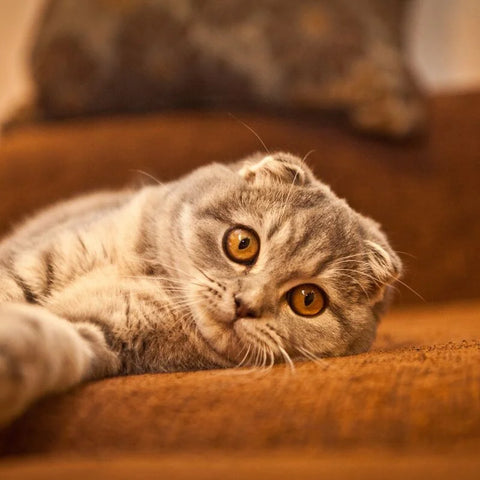
8. Scottish Fold
Scottish Folds are recognisable by their folded ears — the result of a genetic mutation that affects cartilage. It is worth knowing, before choosing one, that the same mutation can cause painful joint issues throughout the body, and the ethics of breeding for this trait are actively debated among vets and welfare organisations.
If you have or are considering a Scottish Fold, joint health and mobility support are worth building into their care from the outset, not as a reaction to symptoms but as prevention.
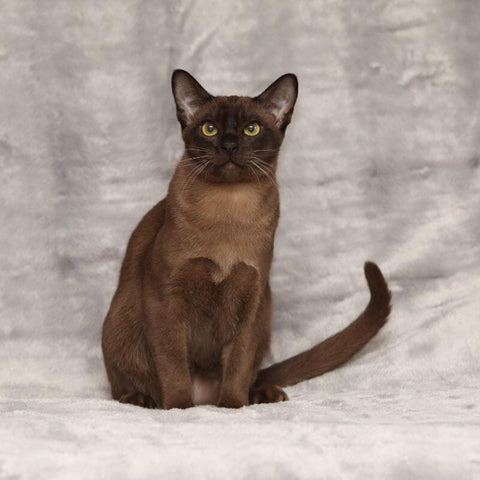
9. Burmese
Burmese cats are affectionate, social, and more dog-like in their attachment to their owners than most cat breeds. They follow, they greet, and they tend not to thrive when left alone for long periods. They suit households where someone is home regularly.
They have a compact, muscular build and tend toward a healthy weight naturally, but their sociable nature means they can be prone to stress-related eating if their routine is disrupted.
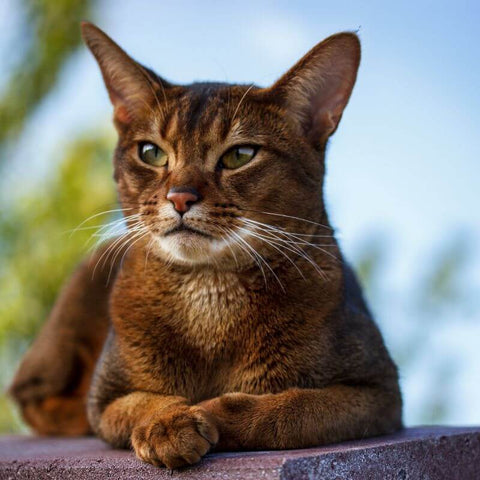
10. Abyssinian
Abyssinians are among the most active domestic cat breeds — lithe, curious, and happiest when they have space to move and things to investigate. They are not lap cats. They are cats that will sit near you while monitoring everything else in the room simultaneously.
High-protein, meat-forward diets suit their activity level well. They tend to be lean and energetic throughout their lives, which is a useful baseline but not an excuse to skip annual weight checks.
A note on feeding before you decide
The breed you choose shapes the food you should be feeding — and that is worth thinking about before you bring a cat home, not after.
Size, activity level, facial structure, coat type, and genetic predispositions all affect what a cat needs nutritionally. The flat-faced Persian needs different food considerations than the athletic Bengal. The sedentary indoor British Shorthair needs different portion control than the Maine Coon that charges around a large house.
At The Pets Larder, we stock natural cat food from producers who use named ingredients, real meat as the primary protein, and nothing that needs hiding behind a generic label. If you want to find the right food for the breed you have or are considering, our natural cat food collection is a good place to start — or use our Food Recommender tool to narrow it down based on your cat's specific profile.
If you are still deciding on a breed and want to talk through what feeding looks like in practice, get in touch. It is the kind of question we get regularly and are genuinely happy to help with.
One last thing: whatever breed is on your list, there are cats in rescue centres across the UK that need homes. Pedigree cats end up in rescue too — if you have space in your life for a cat, it is always worth checking there first.
Katy Peck is the founder of The Pets Larder, an independent natural pet food retailer based in Cornwall. She has worked in animal care for fifteen years and opened The Pets Larder in 2018 after her cat Louis developed cystitis at two years old on a high-street diet — and recovered when she switched him to a grain-free, high-meat food.