

Rawhide is the most widely sold dog chew product in the world. It is also one of the most processed, one of the least transparent in terms of ingredient disclosure, and one of the most commonly associated with serious digestive complications. That combination — ubiquity and significant risk — is exactly why it is worth understanding what rawhide actually is, rather than assuming the category speaks for itself.
We do not stock rawhide at The Pets Larder natural pet shop. That is a deliberate decision, not a gap in the range. This post explains the reasoning — not as a sales argument for what we sell instead, but because the information is useful regardless of where you buy your dog's chews. If you want to go straight to what we stock instead, the best alternatives to rawhide guide covers the full category.
What rawhide actually is
Rawhide is made from the inner layer of cow or horse hides — the split hide left after the outer skin has been removed for leather production. It is a byproduct of the leather industry, not a food-grade ingredient produced for animal consumption. That distinction matters because it shapes how the material is treated before it reaches a pet shop shelf.
The hide undergoes a multi-stage industrial process. First it is treated with an ash-and-lye solution or lime to strip the hair and remaining tissue. This is a caustic chemical process. The hide is then washed and whitened — typically with hydrogen peroxide or, in some manufacturing operations, bleach. At this point it is shaped into rolls, sticks, or bones using heat, and often painted with artificial flavouring to increase palatability. Finally it is dried and packaged.
The finished product looks like a pale, odourless chew. The label typically says "rawhide" or "hide chew" and may list no ingredients at all, because pet food labelling requirements in the UK do not mandate ingredient disclosure for chews and treats in the same way they do for food. The chemical process the hide went through before packaging is not required to appear on the label.
This is the product that has been normalised as the default dog chew for decades. It is worth being specific about what it is because the word "rawhide" sounds natural — raw, hide, a piece of leather — when the reality of industrial production is considerably more processed than that framing suggests.
Why rawhide is associated with digestive problems
The primary physical risk of rawhide is obstruction. When a dog chews rawhide, the material absorbs saliva and swells — sometimes significantly. A piece of rawhide that entered the digestive system as a manageable fragment can expand to create a blockage in the oesophagus, stomach, or intestine. This is not a rare or fringe concern. Digestive obstruction from rawhide is among the most commonly reported pet food-related emergency veterinary presentations in the UK.
The swelling behaviour is an inherent property of the material, not a product defect. It is what dried hide does when it encounters moisture. The risk is not eliminated by buying premium-branded rawhide or by buying from a reputable retailer — it is a characteristic of the material itself.
A secondary concern is digestibility. Rawhide is not easily broken down by canine digestive systems. Unlike natural protein-based chews — tendons, trachea, ears, dried meat — rawhide is structural collagen that has been chemically treated and dried. It does not digest in the same way as food-grade animal protein. Large fragments swallowed without adequate breakdown pass through the digestive system with difficulty and can accumulate.
The third concern is chemical residue from the production process. The ash-lye treatment, peroxide whitening, and artificial flavouring added to most rawhide products involve compounds that are not food-grade in the sense that they would not be used in human food production. Research on the specific health implications of long-term rawhide consumption in dogs is limited, but the precautionary case — given the chemicals involved in production — is reasonable.
What rawhide alternatives actually provide
The reason rawhide became the dominant chew product is that it serves a genuine behavioural need. Dogs chew. It is not a problem to be managed — it is a hardwired behaviour that serves occupational, dental, and psychological functions. A dog that chews is doing something physiologically useful. The question is not whether to provide chews but which chews do the job without the risk profile of rawhide.
The best rawhide alternatives share three characteristics. They are digestible — made from animal protein that breaks down appropriately in the canine digestive system. They are durable — they last long enough to satisfy the chewing need rather than being consumed instantly. And they are transparent — the ingredient is identifiable, the source is known, and the processing method is clear.
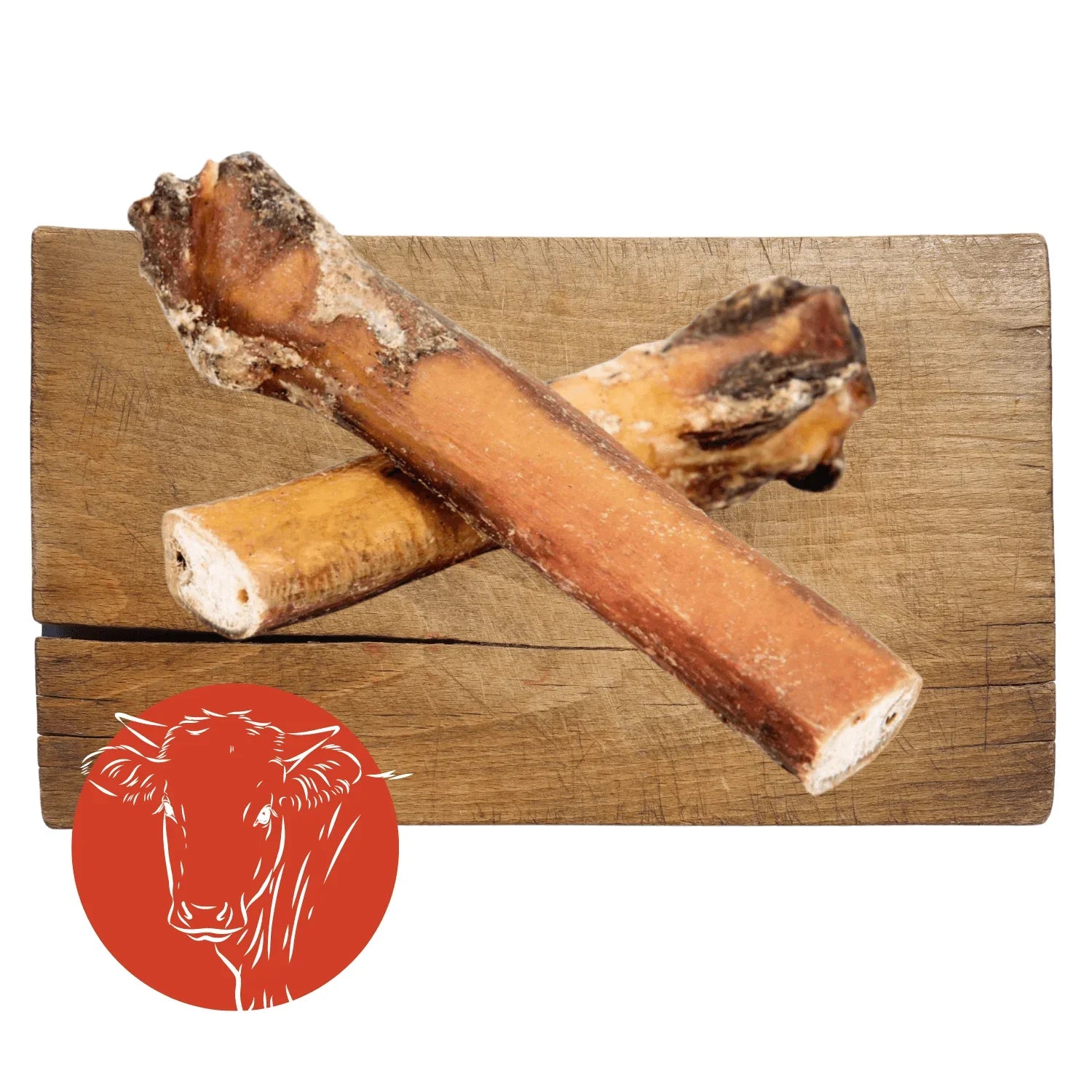
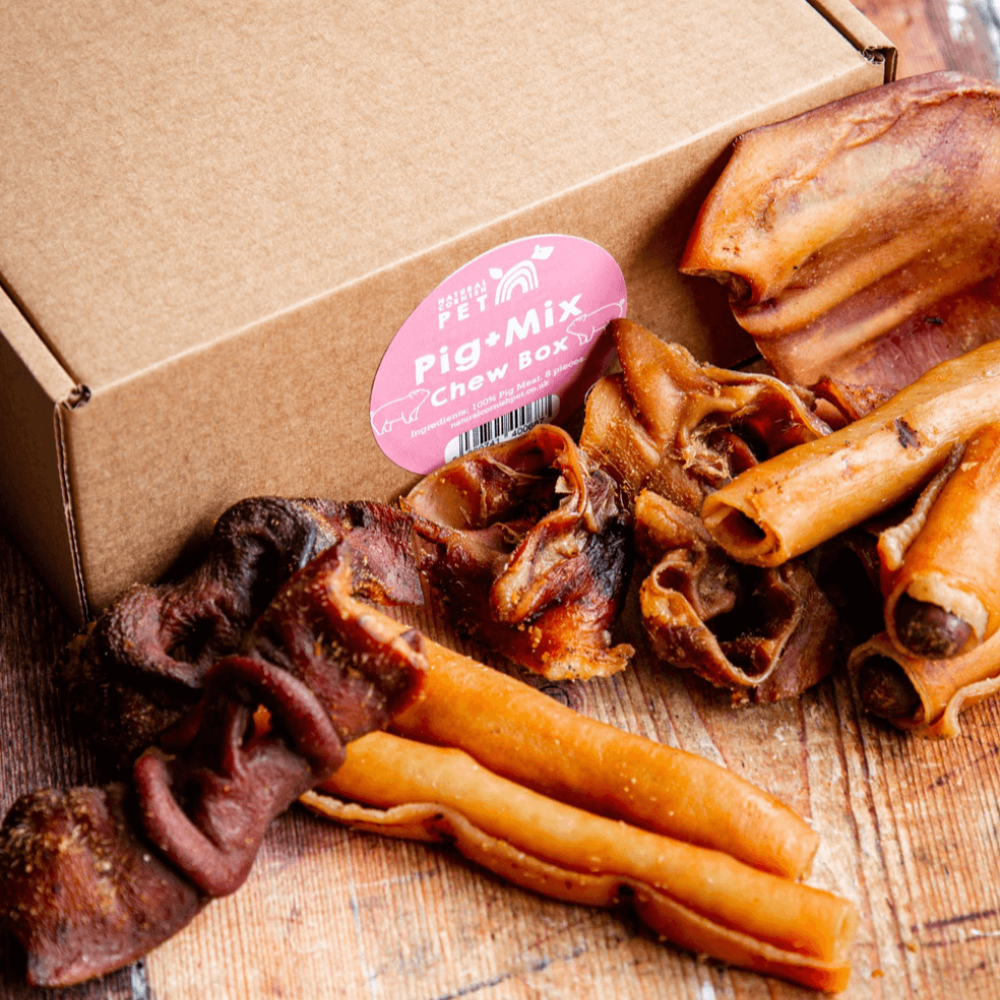
Natural chews that meet these criteria include: bully sticks and pizzles — dried bull or pork pizzle, high protein, fully digestible, long-lasting for moderate chewers. Ostrich bones — dense and long-lasting, suitable for strong chewers. Tendons — softer, good for puppies and seniors. Ears — pig, lamb, rabbit — varying fat content and chew duration. Fish skins — low fat, highly digestible, useful for sensitive dogs. Coffee wood chews — non-consumable, mechanically satisfying, suitable for very strong chewers. Vegetable chews for owners seeking plant-based options.
The right choice depends on your dog's size, chew strength, age, and any dietary restrictions. Our Chew Finder takes you through those variables and returns a specific recommendation.
A note on 'no-hide' and alternative branded chews
A category of products has emerged positioned as rawhide alternatives — often labelled "no-hide," "digestible hide," or "natural hide chew." These vary considerably in what they actually are.
Genuine no-hide chews — such as the Earth Animal range — are made from digestible, identifiable ingredients without the chemical treatment process used in traditional rawhide. They are a legitimate improvement on standard rawhide and we stock them because they clear our ingredient bar.
Some products labelled as rawhide alternatives are, on closer inspection, rawhide in a different format — reconstituted hide chips pressed into shapes, or hide from a different species presented as something new. The test is the same as for any product: what are the ingredients, what is the source, and what process did the material go through. If the label does not tell you, that absence of information is itself informative.
We stock the Earth Animal No-Hide range specifically because the ingredient transparency meets our standard. If you are looking for rawhide alternatives and want to check a specific product you have found elsewhere, the Decode Your Label tool will score the ingredient list for you.
The ingredient standard we apply to chews
At The Pets Larder, every chew we stock is chosen against the same criteria we apply to food: named ingredient, identified source, processing method we can describe and stand behind, no artificial additives serving a cosmetic rather than functional purpose.
Rawhide fails this test on multiple counts — unnamed chemical treatment process, no ingredient transparency requirement, obstruction risk, and digestibility concerns. That is not a marginal case for exclusion. It is a clear one.
This does not mean natural chews carry no considerations. Some are high in fat — relevant for dogs managing weight or with fat sensitivity. Some are very hard — inappropriate for dogs with dental disease or senior dogs with worn teeth. Some are high value enough to cause resource guarding in multi-dog households. The right chew for a specific dog requires knowing the dog.
If you want help matching a chew to your dog's specific situation — age, size, chew strength, dietary requirements — use the Chew Finder or contact us directly. We have been working with dogs and their owners for fifteen years and the conversation is usually shorter and more useful than reading every product label yourself.